Indigenous Leaders Warn Against Exploitation in Green Energy Shift
Indigenous leaders urge the protection of their lands as the global shift to clean energy accelerates amid geopolitical tensions.
Senior Geopolitical Analyst
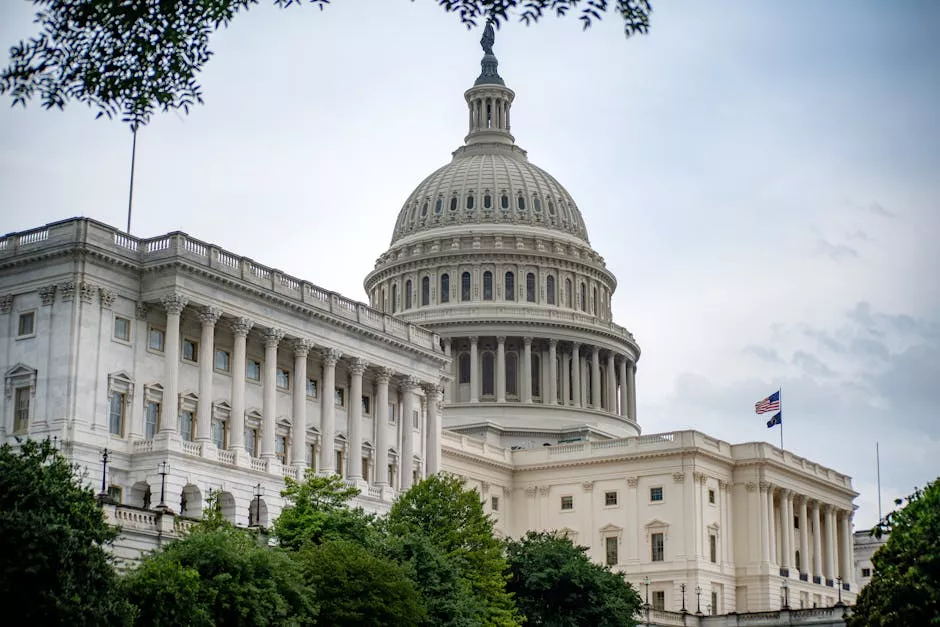
In a pivotal global conference addressing the phase-out of fossil fuels, Indigenous leaders from around the world issued a stern warning against allowing the green energy revolution to serve as a pretext for infringing upon traditional Indigenous territories. As countries accelerate their transition towards cleaner energy sources, driven partly by geopolitical factors like ongoing conflicts in the Middle East and volatile oil prices, there is a growing concern that the shift could trigger new forms of land exploitation.
Historical Context
Indigenous communities have historically faced the brunt of resource extraction activities, suffering environmental degradation while receiving minimal economic benefits. These regions, often rich in natural resources, have become prime targets for energy companies seeking minerals essential for renewable technologies such as lithium, cobalt, and nickel. The legacy of exploitation in these areas raises alarms about repeating past injustices under the guise of sustainable development.
Regional Perspectives
Across different continents, Indigenous leaders expressed unique concerns specific to their regions. In the Americas, where protected lands house vast deposits of essential minerals, the threat of mining interests encroaching on sacred lands looms large. African delegates highlighted issues of land grabbing disguised as green investments, stressing the need for legal frameworks to protect Indigenous rights. Similarly, Indigenous groups from the Indo-Pacific region are wary of losing control over their lands to foreign and domestic energy interests exploiting legal loopholes.
Geopolitical Implications
The global shift to renewable energy is not only driven by environmental imperatives but also by strategic geopolitical considerations. As Middle Eastern conflicts highlight the volatility of fossil fuel dependency, nations worldwide are eager to reduce their reliance on oil and gas imports. This transition, while necessary, must be equitably managed to prevent new geopolitical tensions. The potential clash between clean energy goals and the rights of Indigenous populations could lead to international disputes if not addressed collaboratively.
International bodies, including those established under the Paris Agreement, emphasize the importance of respecting human rights, including Indigenous rights, in climate action plans. Adhering to these commitments is crucial to ensuring that the transition to green energy does not replicate historical patterns of resource extraction abuses.
Cautionary Tales
There are cautionary tales to consider, such as the lithium triangle in South America, where unregulated mining has led to environmental degradation and social unrest. These situations serve as stark reminders of the potential pitfalls that await unregulated renewable energy expansion. Indigenous groups are advocating for stringent oversight mechanisms to prevent exploitation and ensure that the benefits of resource extraction are equitably distributed.
The conference reiterates that Indigenous communities are not anti-development; rather, they seek inclusive practices that acknowledge and integrate their traditional knowledge and land stewardship principles into national and global energy strategies. By doing so, not only is environmental sustainability enhanced, but so too is the social contract between states and Indigenous nations.
Why It Matters
As the world grapples with energy security concerns heightened by fluctuating oil prices and geopolitical instability, the push towards renewable energy is gaining momentum. However, the transition bears the risk of repeating historical land injustices against Indigenous populations. Globally, the demand for critical minerals heightens the risk of exploitative practices, making it essential for policymakers to establish stringent regulations that protect Indigenous rights. This situation underscores the need for comprehensive legal structures and international agreements that balance energy needs with human rights, thus preventing future geopolitical tensions exacerbated by disputes over land and resources. Observers should monitor how international organizations and nation-states integrate Indigenous perspectives into their energy policies to gauge genuine progress toward equitable and sustainable development.