Chernobyl 40 Years On: Lessons Learned and Challenges Ahead
Forty years after the Chernobyl disaster, the site remains a symbol of nuclear peril and resilience, echoing significant lessons for nuclear safety and geopolitics.
Middle East & Diplomacy Specialist
A Catastrophe Remembered
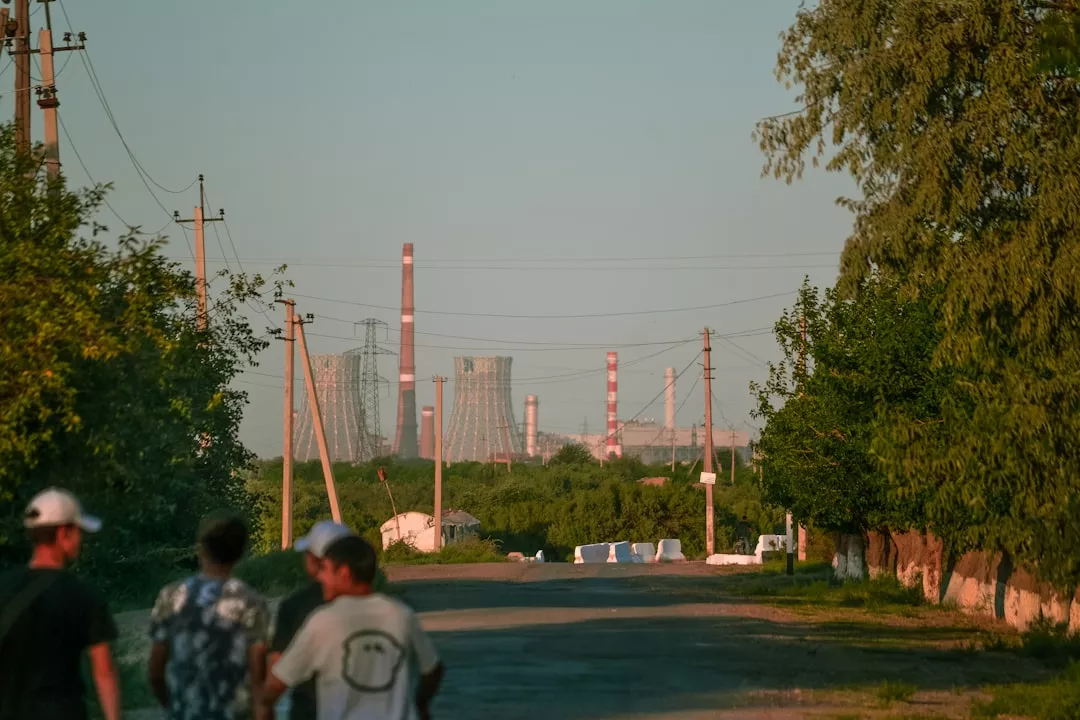
On April 26, 1986, a reactor at the Chernobyl Nuclear Power Plant in Ukraine experienced a catastrophic failure, releasing unprecedented amounts of radioactive particles into the atmosphere. The explosion marked the beginning of the worst nuclear disaster in history, resulting in immediate fatalities, long-term health issues, and widespread environmental contamination.
Historical Impact and Response
Immediately following the explosion, Soviet authorities were slow to acknowledge the severity of the incident. Initially, the event was shrouded in secrecy, reflecting the political climate of the time. However, as radiation spread beyond the Soviet Union, Western nations detected the fallout, forcing the Soviet government to disclose the incident. This delay in response underscored the need for transparency and international collaboration in managing nuclear risks.
The Human Cost
The immediate human cost was tragic. Two plant workers died on the night of the explosion, while 28 emergency workers succumbed to acute radiation sickness in the following weeks. Long-term health effects, including cancer, particularly thyroid cancer among children, have plagued affected populations. Evacuations displaced hundreds of thousands, leaving ghost towns that echo the loss of community and heritage.
Environmental Repercussions
The environmental impact was profound. The surrounding area, now known as the Chernobyl Exclusion Zone, remains largely uninhabitable due to radioactive contamination. Though wildlife has returned in surprising numbers, the long-term ecological effects of radiation are still being studied.
Lessons Learned
Chernobyl catalyzed a reevaluation of nuclear safety norms worldwide. In the wake of the disaster, international bodies such as the International Atomic Energy Agency (IAEA) implemented stricter safety standards and protocols. Countries were compelled to reconsider their nuclear policies, leading some, like Germany, to phase out nuclear energy entirely.
Geopolitical Implications Today
Today, Chernobyl stands as a poignant reminder of the inherent risks associated with nuclear energy. Its geopolitical significance extends into current debates on energy policy, climate change debates, and regional security dynamics. As nuclear technology progresses, the lessons of Chernobyl remain relevant in discussions about nuclear non-proliferation and the security of existing stockpiles.
Ukraine's Defining Challenge
For Ukraine, Chernobyl underscores a broader struggle with energy independence and security. The site has been partially transformed to harness solar energy, signaling a pivot towards sustainable solutions. However, geopolitical tensions, especially with Russia, complicate efforts to secure and leverage its energy resources.
The Global Context
In an era marked by geopolitical tensions, Chernobyl serves as a stark illustration of the potential global consequences of nuclear incidents. It emphasizes the importance of international cooperation in disaster response and environmental stewardship. The Chernobyl disaster remains a crucial reference point for discussing nuclear policy and its implications on global health, safety, and international relations.
Why It Matters
Why It Matters
The legacy of Chernobyl continues to shape global geopolitics, energy policy, and environmental protection measures. As nations grapple with climate change and seek sustainable energy solutions, the lessons from Chernobyl provide critical insights into the risks and responsibilities that accompany nuclear energy. The disaster underscores the importance of international cooperation in disaster management, ensuring safety standards, and fostering transparency. Furthermore, current geopolitical tensions involving nuclear power highlight the ongoing relevance of Chernobyl's legacy. Observers should watch for developments in nuclear governance, energy policy shifts, and international cooperation as pivotal elements in shaping our shared future.