Trump's Potential Penalties for UK and Spain Spark Global Tensions
Internal Pentagon report hints at penalties for UK and Spain over Iran stance, raising global diplomatic tensions.
International Relations Correspondent

Introduction
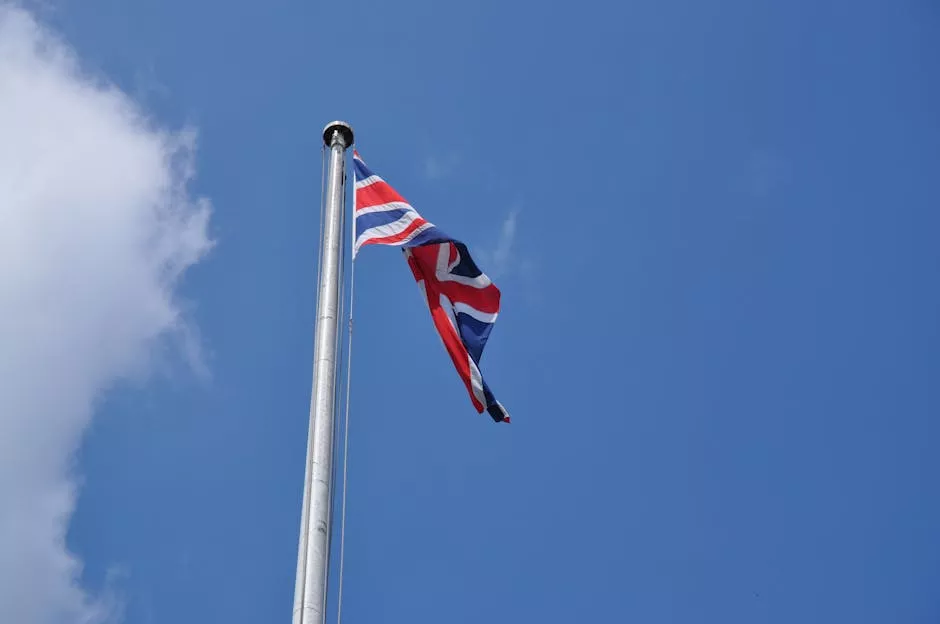
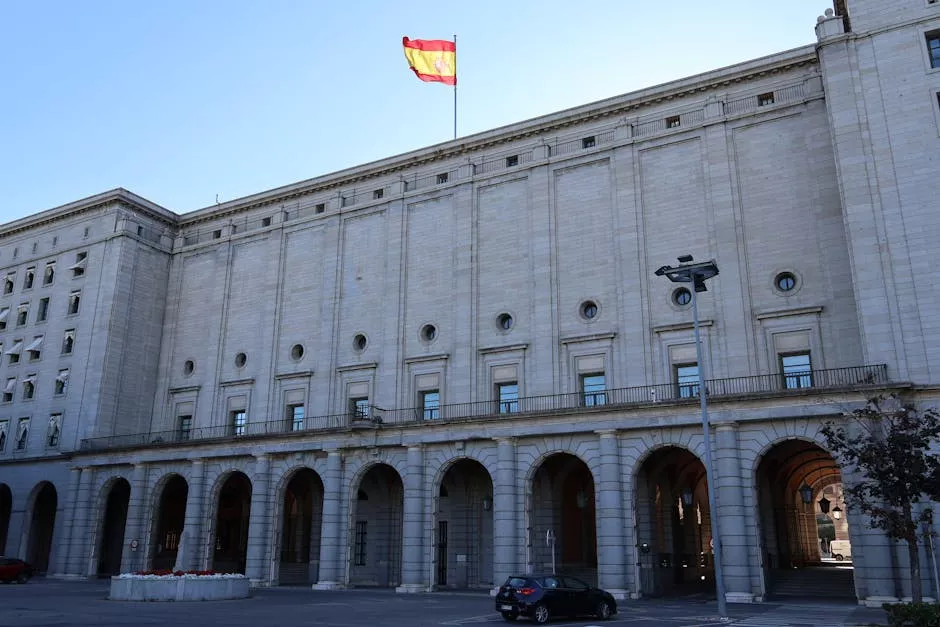
In an unexpected twist in global diplomacy, a leaked internal Pentagon email has revealed that the administration of former U.S. President Donald Trump was purportedly contemplating penalties against Britain and Spain. The move was in response to their perceived insufficient support in the ongoing conflict with Iran. The news, first reported by Reuters, has been met with staunch denials from both the British and Spanish governments.
Historical Context
Relations between the United States and its European allies have experienced various fluctuations over the decades. Traditionally, both Britain and Spain have been considered key European allies of the United States. However, differing opinions on Middle Eastern policies—particularly regarding Iran—have sometimes placed strains on these relationships.
The U.S.'s contentious history with Iran dates back to the 1979 hostage crisis and has evolved through fluctuating periods of tension and diplomacy. Trump's rejection of the Joint Comprehensive Plan of Action (JCPOA) in 2018 marked a significant shift, pushing the U.S. toward a more aggressive stance against Iran.
Regional Perspectives
Britain and Spain have long advocated for a more diplomatic approach when dealing with Iran, emphasizing dialogue over confrontation. This position aligns with the overall European Union stance, which aims to preserve the nuclear deal and bring stability to the Middle Eastern region. Such approaches often conflicted with Trump’s hardline policies, leading to diplomatic headaches.
The geopolitical implications of the supposed threat to impose penalties could undermine the unity of Western allies precisely when cohesion is needed to address broader global challenges such as climate change, migration, and international security threats.
Responses from Britain and Spain
The governments of the United Kingdom and Spain were quick to dismiss the report, emphasizing their commitment to diplomatic solutions and underscoring their contributions in promoting peace and security. Both nations highlighted their respective roles in NATO and stressed that their military and strategic operations align with shared Western values and interests.
The British government reiterated its historical and ongoing contributions to international peacekeeping and counterterrorism missions, emphasizing that cooperation with the U.S. remains strong despite tactical disagreements.
Geopolitical Implications
The leak points to the broader complexities facing global alliances, where divergent national interests can lead to friction. These tensions potentially provide openings for other global players, such as China and Russia, to strengthen their diplomatic and economic ties with European nations disenchanted with American policies.
In a world interconnected by intricate geopolitical interests, such developments scrutinize the ability of alliances like NATO and the EU to effectively manage internal disagreements while presenting a united front on the global stage.
Future Outlook
Moving forward, it will be critical to observe how the new U.S. administrative policies seek to repair and strengthen alliances frayed during the previous administration. Both diplomacy and military strategy in the Middle East will continue to serve as touchstones for assessing the strength of U.S.-European partnerships.
Why It Matters
Why It Matters
The reported plans to penalize the UK and Spain underscore the complexities and volatility inherent in international alliances. Such tensions, especially among NATO allies, could disrupt coordinated efforts to address global security threats. Moreover, the implicated nations must balance strategic autonomy with alliance commitments, seeking to influence U.S. policy from within rather than through public confrontation. Keen observers should watch for shifts in European strategies toward Iran and potential recalibrations in U.S.-European relations, which could reflect broader geopolitical realignments.