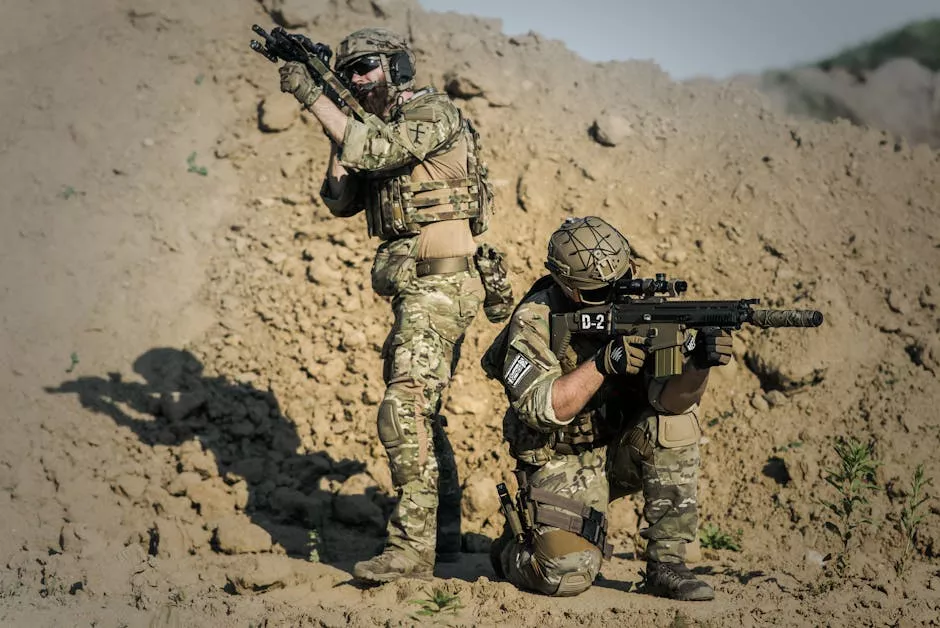
US-Iran Tensions Threaten Global Trade: Strait of Hormuz Crisis
The US-Iran standoff near the Strait of Hormuz endangers global trade routes, risking a worldwide economic fallout.
International Relations Correspondent
The escalating tensions between the United States and Iran have reached a critical point as both nations face off near the strategic Strait of Hormuz. This key maritime chokepoint is vital for global oil and trade flows, and recent actions have the potential to trigger cascading global economic impacts if not addressed promptly.
Historical Context and Current Situation
The Strait of Hormuz is one of the world's most critical shipping lanes, with around 20% of the world's petroleum passing through it. Historically, this strait has been a hotspot for geopolitical tension, particularly involving Iran and countries using its routes for oil exports. In recent history, both the US and Iran have had conflicts over economic and territorial control in this region.
As of now, both countries have increased their naval presence, heightening the risk of a military confrontation that could disrupt not only regional stability but also global markets. Such a standoff comes after months of sanctions and countermeasures between the US and Iran, exacerbating the already strained relations between the two nations.
Regional Reactions and Implications
Neighboring countries and allies of both the US and Iran are watching the situation with great concern. Gulf countries such as Saudi Arabia and the UAE have voiced the need for de-escalation, understanding that a conflict in the Strait could severely impact their economies dependent on oil exportation routes. Meanwhile, countries like Israel are closely aligned with American interests, urging for a strategic, decisive stance against Iran's influence in the region.
In response to the heightened tensions, some countries have begun looking into alternative supply routes for oil and gas, exploring possibilities through pipelines and reducing dependency on the Strait of Hormuz, though these efforts face numerous logistical and political obstacles.
The Role of International Bodies
The United Nations has stepped forward, with the UN Secretary-General urgently appealing for both nations to step back from the brink of conflict. This call to action emphasizes diplomacy and peace talks as essential steps to reopening trade routes and ensuring global economic stability.
The UN’s involvement underscores the international community's stake in maintaining open trade routes through the Strait, as any prolonged disruption could lead to increased shipping costs and a rise in global oil prices, triggering a worldwide economic downturn.
Geopolitical Implications and Future Prospects
The current crisis holds significant implications for international relations and the global economy. If negotiations fail, there is a possibility of military action that could result in a conflagration, drawing in both regional and global powers. Moreover, it could set a precedent for how future disputes in other critical chokepoints are managed.
Moving forward, it's imperative that diplomatic channels remain open. The involvement of neutral parties to mediate discussions could be a viable solution, helping to bring both sides to the negotiation table. A peaceful resolution would not only resolve the current standoff but could also pave the way for long-term regional stability.
Ultimately, the resolution of the US-Iran standoff will likely influence global diplomatic strategies, spotlighting the importance of maintaining strategic maritime routes and ensuring they remain free of conflict.
Why It Matters
The intensifying standoff between the US and Iran over the Strait of Hormuz is significant due to its far-reaching implications. This crisis affects more than just the geopolitical tensions between two nations; it holds the potential to disrupt global trade patterns, impacting economies worldwide. The strait's strategic importance for oil transportation means that any prolonged blockade or conflict could result in skyrocketing energy prices, affecting everything from manufacturing costs to consumer prices globally. As nations deeply interconnected through global trade and commerce, the importance of stability in strategic regions like the Strait of Hormuz cannot be overstated. Moving forward, the international community must watch for diplomatic efforts to de-escalate tension, the resilience of oil markets, and any shifts in global strategic alliances that may arise as a result of this confrontation.