EU Grants €90 Billion Loan to Ukraine Amid Russian Sanctions
EU greenlights €90 billion loan to Ukraine, overcoming Hungarian resistance, while imposing new sanctions on Russia.
Africa & Global Economy Correspondent
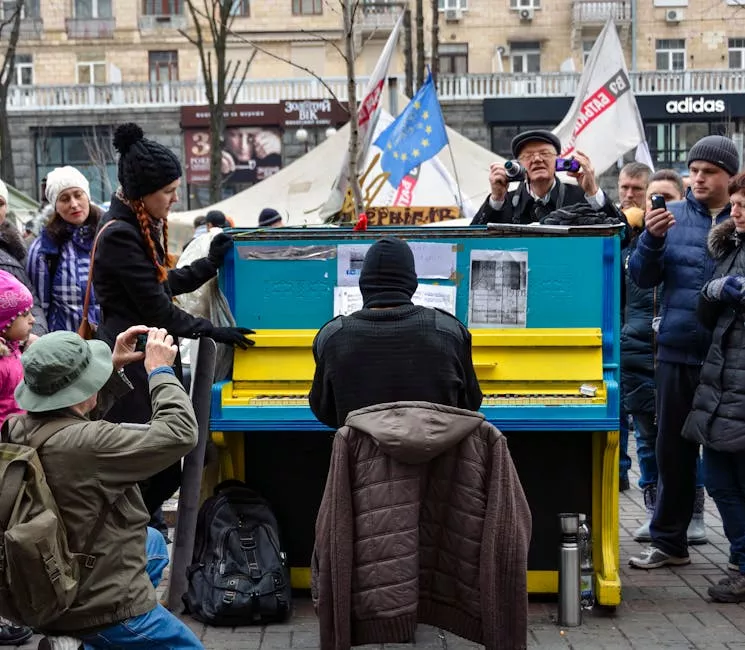
The European Union has successfully unlocked a crucial €90 billion loan package to Ukraine, a historic financial aid decision that had been stalled by Hungary’s previous objections. The resolution comes alongside the approval of a 20th package of sanctions targeting Russia, emphasizing the EU's unified stance against Russian military incursions into Ukraine.
Unblocking Support: Overcoming Political Hurdles
The agreement reached among EU member states signifies a pivotal moment. Hungary's initial veto was rooted in broader diplomatic disputes within the EU, particularly concerning rule-of-law issues in Hungary itself. The concocted diplomatic efforts by EU officials to sway Budapest involved complex negotiations over separate concerns while reinforcing the collective European commitment to support Ukraine financially and politically.
The Structure of the Loan
This substantial loan offers Ukraine much-needed financial stability. Spread over multiple years, it is intended to ensure Ukraine's ability to sustain its economy amidst ongoing conflict. The loan's structure includes heavily favorable terms for repayment, reflecting European intent to support Ukraine not just in defense, but in economic resilience.
Sanctions on Russia: Expanding Economic Pressure
Simultaneously, the EU has imposed a new wave of sanctions against Russia, marking the 20th such package since the Ukrainian conflict erupted in 2022. These sanctions aim to tighten the noose on key sectors of the Russian economy, including energy exports and high-tech supplies, and extend restrictions on individuals linked to the war effort. By targeting critical nodes of the Russian economy, the EU hopes to pressurize Moscow into reevaluating its military actions in Ukraine.
A Historical Context: Path to the Present
EU financial aid to Ukraine has been consistently significant since the latter declared independence following the Soviet Union’s collapse. However, the scale and urgency of these efforts have intensified post-2014, mirroring Russia’s annexation of Crimea and the subsequent Eastern Ukraine conflict. The ongoing war represents a critical test of EU solidarity, as the bloc balances direct aid to Ukraine with punitive measures against Russia.
Regional Reactions and Implications
The financial and diplomatic support of the EU not only strengthens Ukraine’s position but also signals a firm European alignment against Russian expansionism. This decision is likely to garner varied reactions across the continent. Eastern European members are expected to rally behind this substantial show of support, emphasizing the perceived threat from Russia. However, for some Western European nations, the escalated confrontational stance may raise concerns about potential economic repercussions, particularly in energy dependencies.
In Ukraine, the financial aid is expected to bolster morale both among citizens and within the military. Ukrainian President Volodymyr Zelensky has frequently emphasized the importance of continued Western support to fend off Russian advances and to sustain the country's socio-economic fabric.
Broader Geopolitical Implications
This move further intertwines the EU's geopolitical strategy with NATO’s military objectives in Eastern Europe. Observers view the financial aid package as not merely economic but also a political signal. It conveys to global actors, from the USA to China, that Europe remains steadfast in its support for Ukraine. This stance might influence secondary dynamics, potentially affecting EU-Russian relations in discussions on other global issues, including climate change and global energy security.
Why It Matters
Why It Matters
Europe's financial and sanctioning maneuvers mark a decisive pivot in the geopolitical landscape. By aligning substantial economic support with targeted sanctions, the EU reinforces its geopolitical clout, championing a rule-based international order. Such unwavering commitment underscores wider Western unity, contrasting with prior fragmentation tendencies. This financial commitment is poised to embolden other Western allies to elevate their aid, fostering a robust coalition against aggression. As Europe’s energy uncertainties loom, the sustained support signals Europe's readiness to accept short-term sacrifices for long-term security. Observers should monitor Europe's energy policies and emerging Russian tactical shifts in response to these sanctions, keeping an eye on China's potential mediation offers.