FIFA Faces Criticism for Awarding Peace Prize to Trump
FIFA's decision to honor Trump with its Peace Prize before the World Cup incites backlash amid concerns of politicizing sports.
Defense & Security Editor
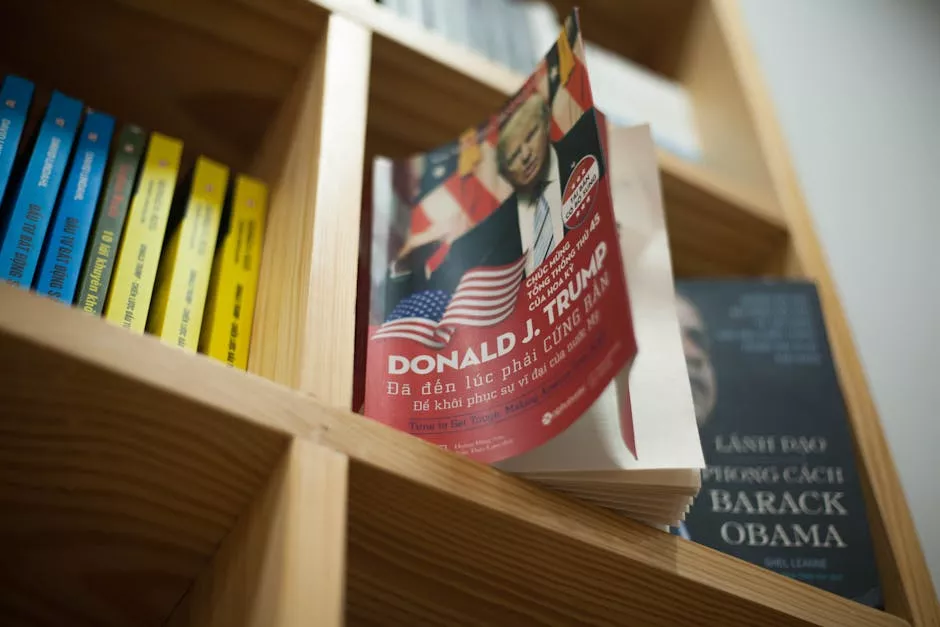
The recent decision by FIFA, the international governing body of football, to award its inaugural Peace Prize to former US President Donald Trump has ignited a wave of controversy, raising questions about the intersection of sports and politics. Announced just ahead of the highly anticipated World Cup, the decision has sparked debate among football officials, players, and global political analysts.
Background and Context
This award aims to recognize efforts towards peace and fostering understanding through sports. By selecting Trump as its first recipient, FIFA highlights his administration's role in several high-profile peace efforts, notably the historic agreements in the Middle East like the Abraham Accords, which sought to normalize relations between Israel and several Arab nations. Proponents argue that such diplomatic initiatives contribute to regional stability and represent significant progress.
However, Trump's tenure was marked by controversial policies and rhetoric that many argue contradicted the very principles the Peace Prize stands for. Critics point to his immigration policies, stance on international treaties, and divisive domestic politics as reasons why this award feels misguided.
Global Reactions
The decision has been met with skepticism and criticism from various quarters. In Europe, where football is deeply intertwined with cultural identity and often seen as a bastion of inclusion and diversity, the decision to honor Trump with a peace accolade is particularly contentious. European football officials and players express concern that the award might set a precedent, overshadowing the sport's unifying ethos with political motivations.
In the United States, reactions are predictively polarized, echoing the nation's own deep political divisions. Supporters hail the award as recognition of Trump's unconventional diplomatic achievements, while critics dismiss it as an unwelcome politicization of international sports.
Geopolitical Implications
This development at FIFA underscores a broader trend where international sports become a stage for political statements and maneuvering. By involving itself in international diplomacy via this award, FIFA steps into the complex terrain of global politics, which can complicate its role as a neutral, non-political entity. This situation invites comparisons to the controversies faced by other global sporting events, like the Olympics, which have historically navigated similar challenges.
The Peace Prize, introduced as a symbol of the positive impact sports can have on international relations, now risks being perceived as a tool for geopolitical influence. This perception could deter future efforts to genuinely leverage sports for peace and diplomacy, especially if the credibility of such initiatives is questioned.
Looking Ahead
As FIFA moves forward, it faces the challenge of balancing its core mission with the increasing geopolitical pressures entailed in its global reach. Observers are keenly watching how this award might influence its policies and public perception, particularly as it approaches the forthcoming World Cup, an event that itself is under scrutiny for political and ethical considerations.
Why It Matters
The decision by FIFA to award a peace prize to Donald Trump is emblematic of the increasingly complex interplay between sports and politics on the global stage. This incident highlights FIFA's role not just as a sports authority but also as an influential geopolitical player. While sports traditionally serve as a platform for cross-cultural exchange and unity, politicizing these arenas can undermine their fundamental purposes. The repercussions of this decision may ripple across international sports policies, affecting future events and public trust in sports governing bodies as impartial arbiters. Going forward, stakeholders in international sports should grapple with how best to maintain the integrity and unity of the sports domain while navigating political complexities.