Global Oil Markets Surge Amid Sanctions Waiver on Russian Crude
Oil prices soared by 40% since war's onset, despite Trump's decision to ease some sanctions on Russian crude sales, signaling market resilience.
Senior Geopolitical Analyst
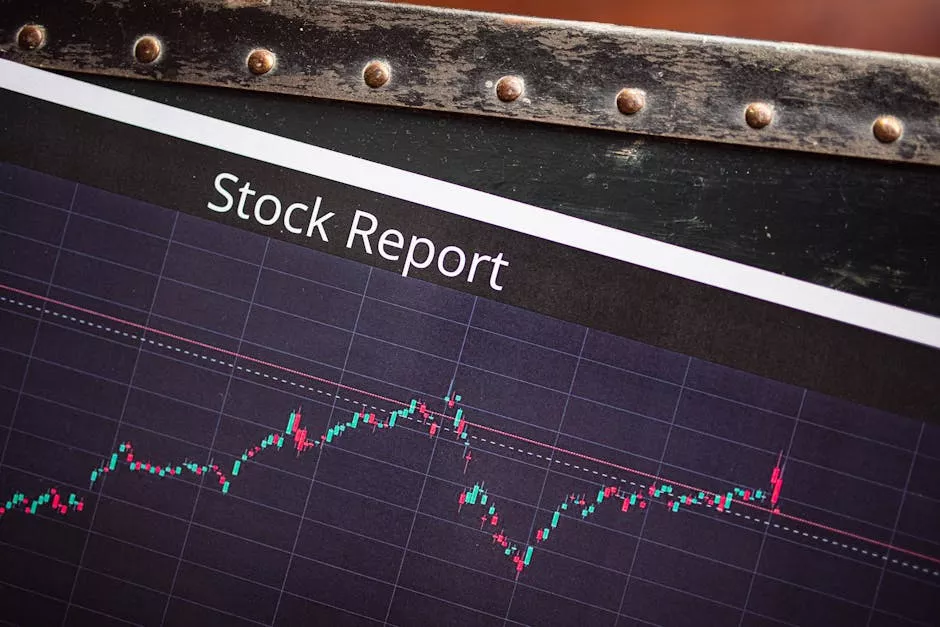
The global oil market experienced a significant jolt as prices climbed to a staggering 40% increase since the onset of the ongoing conflict. This surge was partly attributed to a surprising decision by President Trump to waive specific sanctions on Russian crude, a move that left the market largely unaffected in price terms. On Thursday, oil prices soared by about 10%, underscoring the commodity's inherent volatility and sensitivity to geopolitical maneuvers.
Understanding the Context
The geopolitical landscape has been on tenterhooks since the beginning of the conflict involving Russia. The initial sanctions were aimed at exerting economic pressure, intending to curtail Russia's ability to fund its military operations. However, as history shows, oil is a global commodity that does not easily bow to national policies. The intertwining interests of global economies often lead to unexpected outcomes, as evidenced by the recent developments.
Historically, oil markets have been influenced by a myriad of factors, including major geopolitical events. The current situation echoes previous conflicts where energy resources played a pivotal role, impacting not only the involved nations but also triggering ripple effects across global economies.
Geopolitical Implications
The decision by the U.S. administration to allow limited sales of Russian oil, despite the broader sanctions, can be interpreted in various ways. It may signify a strategic move to stabilize global oil prices or a nuanced diplomatic effort to balance international relations. The lack of sharp reaction in the market despite this decision suggests that traders had possibly anticipated such a shift, or it reflects an underlying robustness in the global oil supply chain.
Regional Perspectives
Europe, heavily dependent on Russian energy exports, finds itself amidst a critical evaluation of its energy sources. This waiver might provide temporary relief but also sparks debates about long-term energy security and diversification strategies. Meanwhile, in the Middle East, where oil production is also a key economic pillar, there's an intensified focus on how these shifts might realign global oil alliances and market shares.
For consumers in the Americas, this increase could translate into higher costs at the pump, affecting household budgets and potentially igniting political debates over energy policies and inflation dynamics.
Potential Consequences
The ripple effects of rising oil prices reach far and wide. Economies recovering from the impacts of the pandemic now face the added pressure of energy costs, which can curtail consumer spending and strain government budgets. Moreover, during times of conflict, these economic stressors can exacerbate existing tensions within and between countries, leading to unpredictable political outcomes.
As the situation evolves, stakeholders across all sectors should closely monitor not only the price movements but also the policy decisions from major economic players. The interplay of diplomacy, market strategies, and geopolitical interests will continue to define the oil markets' trajectory in the coming months.
Why It Matters
The recent surge in oil prices and the unexpected waiver of certain Russian sanctions carry significant geopolitical weight. The continued resilience of oil prices amidst geopolitical tensions indicates a complex web of international dependencies and economic strategies. Countries reliant on energy imports might find themselves in precarious positions, needing to reassess alliances and energy portfolios. Monitoring these developments is crucial for understanding potential shifts in global power dynamics, where energy remains a strategic asset. Observers should watch for further policy moves by major economies and potential alignment shifts among key oil-producing nations.