Exiled Kurds Under Drone Fire: A Precursor to Regional Conflict
Exiled Kurdish fighters in Iraq face increased drone strikes from Iran, hinting at escalating tensions and future confrontations.
Defense & Security Editor
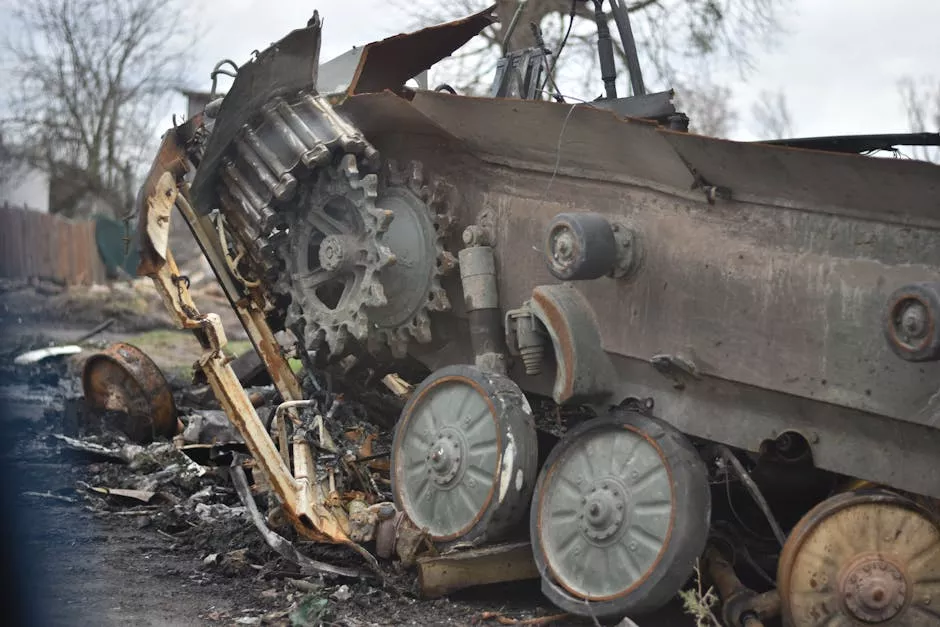
Exiled Kurdish fighters in Iraq are once again under the spotlight, facing drone assaults launched by Tehran. Amidst the barren landscapes of Northern Iraq, these Kurdish groups, rejecting subservience to the Iranian regime, prepare for what they believe is an impending return home. The scenario unfolding is one of determination mixed with danger, as drone warfare adds another layer of complexity to the volatile geopolitics of the region.
Historical Discontent and the Kurdish Struggle
The Kurdish struggle for autonomy and recognition has a history steeped in resistance and repression. Throughout modern history, particularly in the 20th century, Kurdish people have found themselves fragmented across Iran, Iraq, Turkey, and Syria, each host nation dealing with its minorities in varied ways. The Iranian Kurds have long sought to challenge the central authorities, dating back to the Kurdish Republic of Mahabad established briefly in 1946, before being crushed by Iranian forces.
Later, the Iranian Revolution of 1979 did little to improve the situation. Many Kurds had hoped for greater autonomy under the new Islamic regime, only to be met with continued persecution. The political landscape has been marred by mutual hatred and sporadic violence ever since.
The Role of Exiled Kurdish Fighters
Currently stationed in Iraq, these exiled Kurdish groups have fortified their positions, constantly under the watchful eyes of Iranian drones. The fighters assert their readiness to reclaim their homeland, capitalizing on any significant destabilization within Iran that could serve as a catalyst for their ambitions.
Their existence and activities in Iraq not only challenge the Iraqi central government but also risk drawing them further into the Iranian conflict. For Iran, these groups represent a direct threat, necessitating subversive actions such as the recent drone strikes.
Regional Perspectives
The Kurdish issue transcends Iranian borders, touching Turkey, Syria, and Iraq, forming a geopolitical conundrum that extensions far beyond ethnic ambitions. In Turkey, the government has relentlessly pursued its own Kurdish population. Meanwhile, the Syrian civil war offered temporary respite as Kurdish fighters became significant players, backed by international powers against ISIS.
For Iraq, hosting Iranian Kurds presents a delicate balance in maintaining sovereign relationships with Iran while managing its domestic security. Tensions have soared as Iran's influence in Iraq expands, worrying both local and international observers about potential crackdowns on Kurdish settlements.
The Implications of Drone Warfare
The use of drones reflects an evolution of military tactics, providing increased reach with minimal risk to the aggressor. Iran's escalation to drone warfare against Kurdish targets signals not only a strategic shift but a willingness to leverage advanced military capabilities to subdue threats.
Such developments highlight an emerging modern battlefield, where asymmetric warfare transforms remote areas like Northern Iraq into the frontlines of geopolitical disputes.
Geopolitical Ramifications
The drone attacks could usher in repercussions far beyond Northern Iraq. They threaten to destabilize the broader region by drawing more regional powers into the fray. An emboldened Iranian strategy might lead to counteractions by Kurdish elements, possibly gaining sympathetic allies in their struggle.
For countries monitoring these developments, the stakes are significant. The potential for escalation holds implications for regional peace efforts and global security, particularly if proxies or allied states respond.
Why It Matters
The intensification of drone attacks on Kurdish camps in Iraq showcases the critical state of Middle Eastern security dynamics. This conflict has broader implications due to the Kurdish people's transnational presence across multiple nations, each courting unique alliances and hostilities. As these geopolitical lines blur, the conflict potentially draws in more regional players relucted to see shifts in power. Global observers may expect a shift towards prolonged proxy conflicts visible in other Middle Eastern battlegrounds. Key developments moving forward include international diplomatic responses and potential counter-strikes from Kurdish militias which could ignite further tensions in an already unstable area.