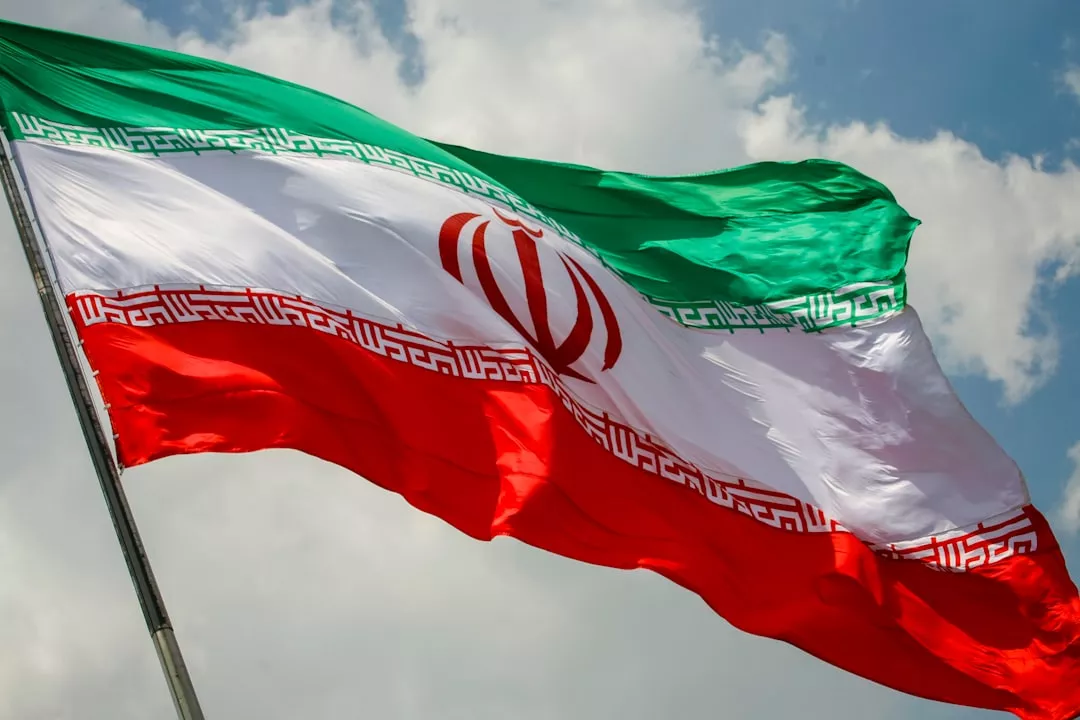
Germany's 2027 Budget Faces Strain as Middle East Conflict Looms
Germany's cabinet seeks 2027 budget approval amid mounting fiscal challenges from Iran-related tensions, signaling significant economic concerns.
International Relations Correspondent

Germany's Budgetary Challenges in a Complex Global Environment
As Germany's cabinet deliberates over its 2027 budget plans, the geopolitical landscape poses significant challenges. Recently, discussions have intensified due to rising tensions in the Middle East, particularly concerning Iran. The potential for further conflict in the region threatens to strain Germany's fiscal resources, already earmarked for substantial borrowing in the upcoming year.
The Current Budgetary Landscape
Germany's economic strategy for 2027 revolves around crucial decision-making processes that will determine the nation's financial future and its response to global, particularly Middle Eastern, developments. The cabinet's commitment is to craft a fiscally responsible plan that anticipates both short-term needs and long-term stability.
This need for balance is particularly acute as Germany navigates its commitments within the European Union, military obligations under NATO, and its role in various international organizations amidst a volatile global economy. A significant portion of the budget must accommodate these factors while remaining responsive to emerging crises.
Historical Context of Germany-Iran Relations
Germany's engagement with Iran has historically been complex, involving elements of diplomatic outreach coupled with economic sanctions. The nuclear deal of 2015, known as the Joint Comprehensive Plan of Action (JCPOA), once saw Germany playing a pivotal role in negotiating peaceful outcomes. However, the U.S.'s withdrawal from the agreement and subsequent reinstatement of sanctions disrupted these efforts, leaving Germany in a precarious position as a mediator with vested economic interests.
The continued tensions exacerbate challenges in energy security, financial markets, and trade. Germany, like much of the European Union, relies on stable relations with the Middle East to ensure economic stability and resource flow, particularly given the regional significance of Iran in global energy supplies.
Regional Perspectives and Geopolitical Implications
The Middle East's evolving geopolitical dynamics have direct implications for Germany's economic planning. The potential for conflict escalation involving Iran raises questions about energy supply security and the stability of global oil prices—factors that could profoundly influence Germany's energy policies and international trade strategies.
Moreover, Germany must consider the impact of such geopolitical upheavals on its security infrastructure, humanitarian commitments, and the broader European economic framework. These multifaceted considerations necessitate a finance plan capable of adaptive crisis management while fostering sustained economic growth.
This approach to budgeting illustrates Germany's broader strategic posture: ensuring fiscal resilience in light of growing political instability and contributing to diplomatic efforts that promote peace and stability in the Middle East.
The Road Ahead for Germany
As Germany's cabinet works towards finalizing the 2027 budget, the interconnected nature of regional and global issues underscores the importance of flexibility and foresight in policy-making. The confluence of fiscal planning with geopolitical realities exemplifies modern challenges where national budgets must account for uncertainties far beyond economic projections.
Thus, Germany's role extends beyond domestic policy, influencing European Union responses and potentially shaping more comprehensive international strategies to manage Middle Eastern conflicts.
Ensuring a balanced budget in these circumstances will require innovative policy solutions, robust financial strategies, and a continued commitment to global diplomacy aimed at fostering long-term regional peace and stability.
Why It Matters
Why It Matters
The ongoing deliberations over Germany's 2027 budget hold significant implications for both national and international stakeholders. Amidst rising tensions in the Middle East, particularly involving Iran, Germany's financial strategy must adapt to unpredictable geopolitical shifts. This adaptability is crucial not only for maintaining economic stability within Germany but also for offering a coordinated European response to regional crises.
In broader geopolitical terms, Germany's fiscal decisions will influence European Union policy frameworks and NATO resource allocations, underscoring the importance of cohesive, long-term planning in preserving global political balance and security. Observers should monitor how Germany addresses these challenges while maintaining its commitment to sustainable economic growth and international cooperation.