Trump Halts US Delegation's Pakistan Visit Amid Iran Tensions
The abrupt cancellation of US envoys' trip to Pakistan reflects heightened tensions with Iran, as diplomatic avenues remain uncertain.
Senior Geopolitical Analyst
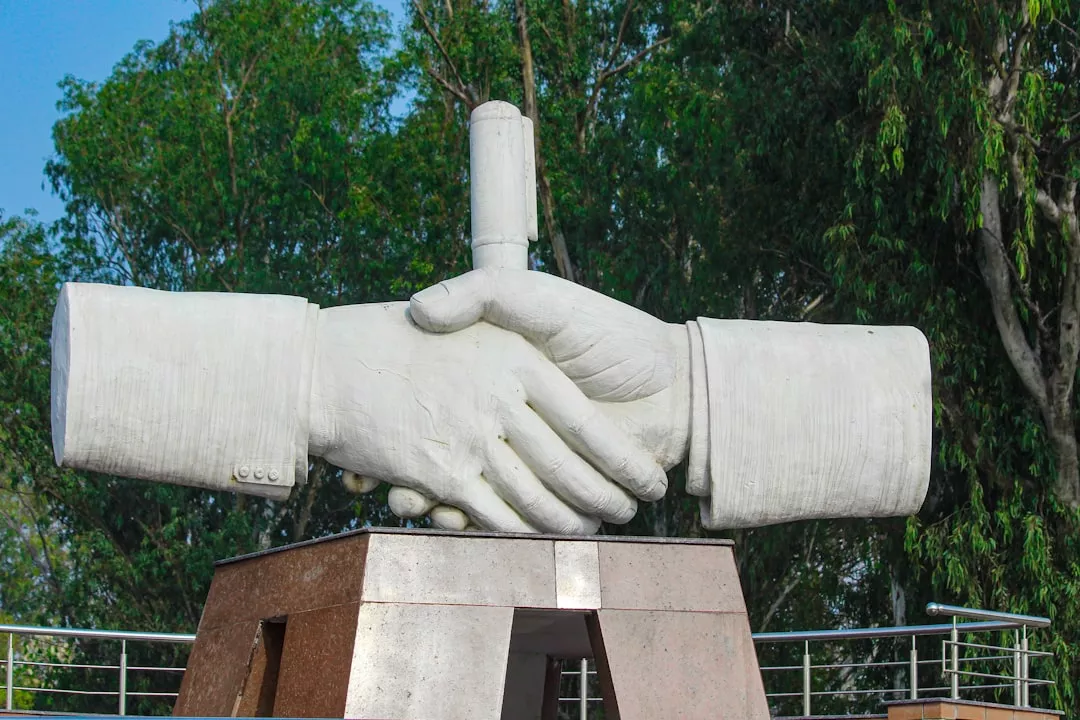
In a surprising turn of events, former U.S. President Donald Trump pulled the plug on a planned visit by American envoys to Pakistan meant to address the escalating tensions with Iran. The high-profile delegation, headed by Steve Witkoff and Jared Kushner, was anticipated to discuss possible solutions to the growing crisis in the Gulf region. The news came shortly after Iran announced that there were no immediate plans for direct talks with the U.S. team.
Background and Rising Tensions
The geopolitical climate surrounding the U.S.-Iran relationship has been fraught with tension, notably since the U.S. withdrew from the Joint Comprehensive Plan of Action (JCPOA) in 2018. The reintroduction of stringent sanctions placed immense pressure on Iran, leading to a series of aggressive encounters in the Strait of Hormuz and beyond.
Pakistan, with its significant geographical and political ties to both the U.S. and Iran, plays a pivotal role in regional diplomacy. As a neighbor to Iran, Pakistan has frequently found itself caught in the crosshairs of U.S.-Iran discord. Imran Khan, Pakistan's then-prime minister, often positioned the country as a mediator between the two nations, advocating for diplomatic conversations and peace.
Plans and Abrupt Cancellations
According to reliable sources, the delegation hoped to garner support from Pakistan in swaying Iran towards negotiations. Steve Witkoff, a notable real estate developer with ties to Trump, along with Jared Kushner, a key figure in Middle Eastern diplomacy during Trump's tenure, aimed to leverage their relationships to initiate dialogue. However, any possibility of discussions was hampered by Iran's early dismissal of the meeting prospects.
Analysts suggest that the cancellation could be attributed to multiple factors, including Iran's firm stance against direct communication without the removal of sanctions and Pakistan's delicate position in maintaining neutrality. The risk of further escalating ongoing conflicts could have catalyzed Trump's decision to call off the dialogue attempt.
Implications and the Road Ahead
This development casts a shadow over diplomatic efforts and further complicates the strategic dynamics of the Middle East. With diplomacy taking a backseat, the prospect of military engagements or further economic sanctions looms large. As of now, it remains to be seen how the U.S. intends to develop its foreign policy towards Iran, with many observers calling for a balanced approach that neither alienates Iran nor disregards existing alliances in the region.
The cancellation of the Pakistan talks indicates a possible shift in U.S. strategy. Whether this change entails an indefinite halt in negotiations or a recalibrated approach to diplomacy is yet to be determined. Nevertheless, the move marks an essential point of reflection for American foreign policy architects concerning the Middle East and broader security considerations in Asia.
Why It Matters
Why It Matters: The cancellation of these crucial talks underscores the continuous volatility in U.S.-Iran relations and reflects the broader uncertainties in Middle Eastern geopolitics. This development could contribute to prolonged instability in the Gulf, affecting global energy markets and international alliances. The inability of the U.S. to convene a direct dialogue reveals the complexities and depth of distrust between Washington and Tehran, setting back potential diplomatic resolutions.
Potential consequences include further political polarization in the region, increased arms buildup, or economic ramifications from sanctions. Stakeholders and the international community will need to monitor subsequent moves by both nations closely, particularly how they engage with regional players like Pakistan and the Gulf States. The international focus now will be on any backchannel negotiations and whether the shift in U.S. administration since Trump's era can bring different dynamics to the table.