Escalating Water Crisis in Gaza: Deadly Conflict's New Front
Recent Israeli attacks have exacerbated Gaza's water shortage, intensifying the humanitarian crisis and spreading preventable diseases.
Senior Geopolitical Analyst
Israel's Actions Intensify Gaza's Water Crisis
In mid-April, tensions in Gaza escalated further as Israeli forces killed a water engineer and two drivers tasked with delivering essential water supplies to displaced families. These tragic incidents have underscored a deepening humanitarian crisis in the region where clean water is becoming increasingly scarce.
For the residents of Gaza, water is not just a necessity but a lifeline that is alarmingly being choked off. The violence that took the lives of those responsible for water distribution has not only resulted in immediate human loss but has also intensified the severe shortage of clean water, aggravating the spread of preventable diseases.
Impact on Hygiene and Disease
The crisis is compounded by Israeli restrictions on the import of critical hygiene items such as soap and washing powder. This restriction has led to skyrocketing prices, making it even more challenging for the population to maintain hygiene. In overcrowded shelters and tent encampments, the lack of access to these basic necessities increases the risk of infections, turning a public health issue into a looming catastrophe.
The scarcity of clean water has far-reaching implications for public health. Infectious diseases that are easily preventable with proper sanitation are now becoming prevalent, posing a severe threat to an already vulnerable population.
Historical Context and Ongoing Struggles
The history of the Israeli-Palestinian conflict is long and complex, characterized by decades of displacement, disputes over land, and an ongoing struggle for sovereignty. Gaza, often described as one of the most densely populated areas on earth, has found itself at the center of this conflict. Israeli airstrikes, blockades, and military operations have frequently targeted Gaza, contributing to a crippling humanitarian situation.
The restrictions on water access have a historical precedent. The Oslo II Accord, signed in 1995, divided water resources between Israel and Palestine, but many argue this was done under unequal terms, leaving Palestinians at a disadvantage. Over the years, the political instability and intermittent warfare have prevented the establishment of a stable and adequate infrastructure to provide for the basic needs of Gaza's population.
Geopolitical Implications
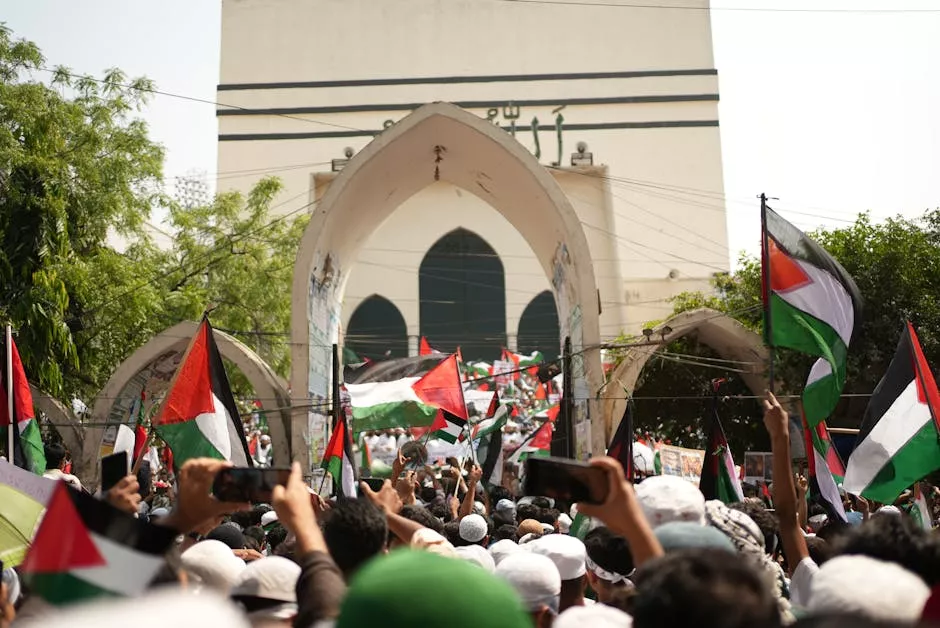
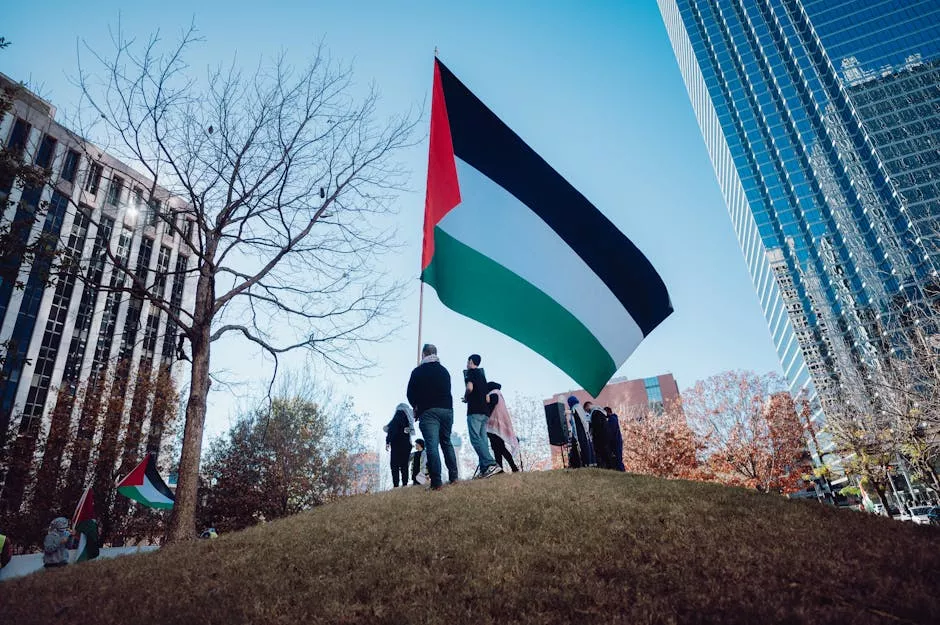
The ongoing water crisis is not only a local issue but a geopolitical flashpoint. The scarcity of resources, including water, is a critical aspect of the broader Israeli-Palestinian tensions. As global attention on the Israeli-Palestinian conflict continues, humanitarian issues like Gaza's water scarcity turn into potent symbols of the wider struggle for Palestinian rights and sovereignty.
Furthermore, water as a resource has often been a crux in conflicts worldwide, symbolizing broader disputes over land and equality. The situation in Gaza highlights the critical nature of resource allocation in conflict zones and its potential to exacerbate already tense situations.
International Responses and Possible Solutions
The international community has been called upon repeatedly to address this humanitarian crisis. International aid organizations attempt to alleviate the situation through emergency water distribution and sanitation projects. However, these efforts often fall short in the face of political and logistical challenges.
Diplomatic efforts to mediate the conflict have historically been complicated by the broader geopolitical interests in the region. However, peace talks focusing on basic humanitarian needs and resource allocation might present an opportunity for a more sustained peace effort.
Why It Matters
Why It Matters: The Global Significance of Gaza's Water Crisis
Gaza's escalating water crisis is a microcosm of the broader Israeli-Palestinian conflict and serves as a stark reminder of the pervasive human costs of protracted geopolitical disputes. The scarcity of water, compounded by the blockade and military actions, highlights the intersection of humanitarian needs with political agendas. The crisis encapsulates a broader struggle over resources that is becoming increasingly common worldwide, as climate change and geopolitical tensions expand. Observers should pay close attention to international diplomatic efforts, as they could dictate future strategies and responses to resource-driven conflicts globally.