Israeli Ambassador Stresses Strong Defense for Regional Peace
Ambassador Ron Prosor emphasizes Israel's military actions as key to peace and urges German Chancellor Merz for more diplomatic tact.
Senior Geopolitical Analyst

Contextualizing Israel's Stance on Military Action
In a recent interview with Deutsche Welle, Ron Prosor, Israel's ambassador to Germany, has underscored the necessity of Israel’s robust military posture as a precursor to achieving lasting peace in the Middle East. His comments come amid escalating tensions in the region, particularly due to Israel's recent military operations in Iran and Lebanon, aimed at neutralizing perceived threats.
Israel’s Justification for Military Actions
Prosor defended the strategic airstrikes, labeling them as proactive defense measures critical to maintaining regional stability and ensuring national security. He asserted that only through a show of strength can Israel safeguard its borders and discourage hostile actions from its adversaries.
This viewpoint aligns with Israel's long-standing security doctrine, which emphasizes deterrence and preemptive strikes to counter threats perceived from its neighbors. Over the decades, Israel has encountered military conflicts and political tensions with both state and non-state actors, necessitating a robust defense strategy.
Germany’s Role and Chancellor Merz’s Diplomacy
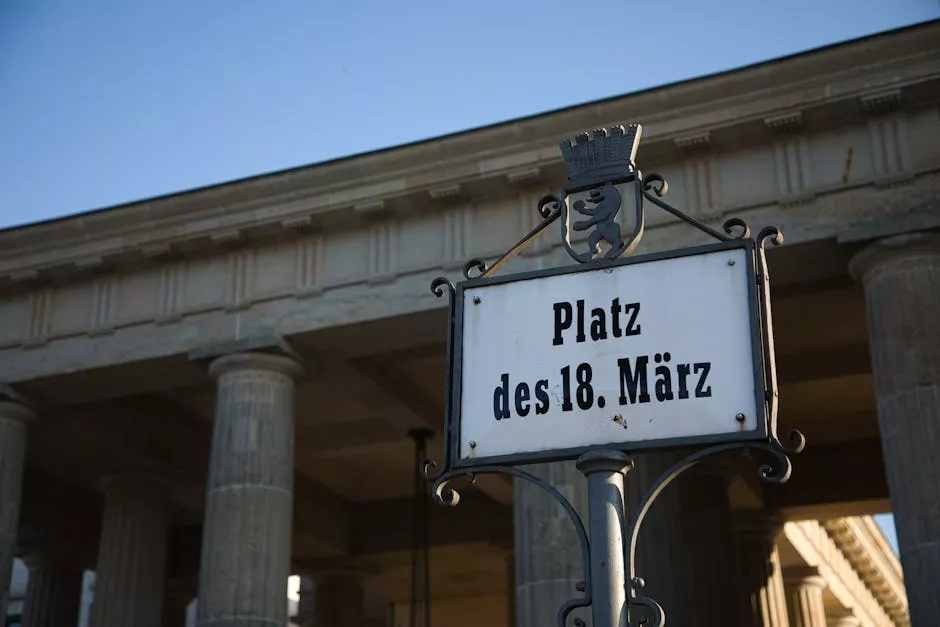
Apart from regional conflict dynamics, Prosor also touched upon Germany’s role in international diplomacy, specifically addressing Chancellor Friedrich Merz. He advised the German leader to exercise greater tact in his dealings related to the Middle East. This suggests a call for balanced diplomacy that acknowledges the complex geopolitics of the region while supporting peace efforts.
Germany has historically played a pivotal role in European Union foreign policy decisions, often spearheading diplomatic efforts aimed at facilitating dialogues and negotiations in the Middle East. Chancellor Merz's policies and diplomatic strategies may influence these efforts, potentially affecting EU-Involved peace initiatives.
Historical and Regional Perspectives
Israel's approach to security is deeply rooted in a historical context of continuous strife and the existential threats it has faced since its establishment in 1948. Wars with neighboring countries, intifadas, and terrorist attacks have shaped its defense policies over the years, leading to a complex security apparatus designed to counter multi-faceted threats.
Regionally, the Iranian influence in Lebanon through Hezbollah has posed significant challenges for Israel. Hezbollah’s military capabilities, backed by Iran, are perceived as a direct threat to Israeli sovereignty, prompting a cycle of conflicts and retaliations.
Lebanon itself is in a state of political and economic turmoil, which complicates the geopolitical situation. The presence of foreign powers and proxies further exacerbates these tensions, implicating broader regional security dynamics.
Geopolitical Implications
The ramifications of Israel's military actions against Iran and Lebanon extend beyond bilateral conflicts. They potentially disrupt the already fragile geopolitical balance in the Middle East. These actions can escalate into broader confrontations, drawing in regional and global powers aligned or opposed to the involved states.
International reactions to Israel's defense strategies could vary, with allies like the United States providing support, while other nations might criticize these measures as aggressive. This could influence future diplomatic engagements and affect global security policies.
Why It Matters
Why It Matters
The ambassador's comments highlight Israel's unwillingness to compromise on security, emphasizing a proactive rather than a reactive approach to threats. This stance is crucial in a region fraught with volatility and alliances that could shift with evolving political landscapes. Israel's military actions against Iran and Lebanon could set precedents for how nations address similar conflicts globally.
Understanding the Israeli perspective helps in anticipating future military engagements in the region that could potentially involve other major powers like the United States and Russia. Observers should monitor Germany's diplomatic moves and EU's policy shifts in response to these dynamics, as they could play a critical role in shaping regional peace initiatives.