Economic Uncertainties Grip Tehran Amid Rising War Concerns
Tehran's lively streets hide financial woes and the looming threat of conflict, painting a complex picture of Iran's current socio-political climate.
Defense & Security Editor
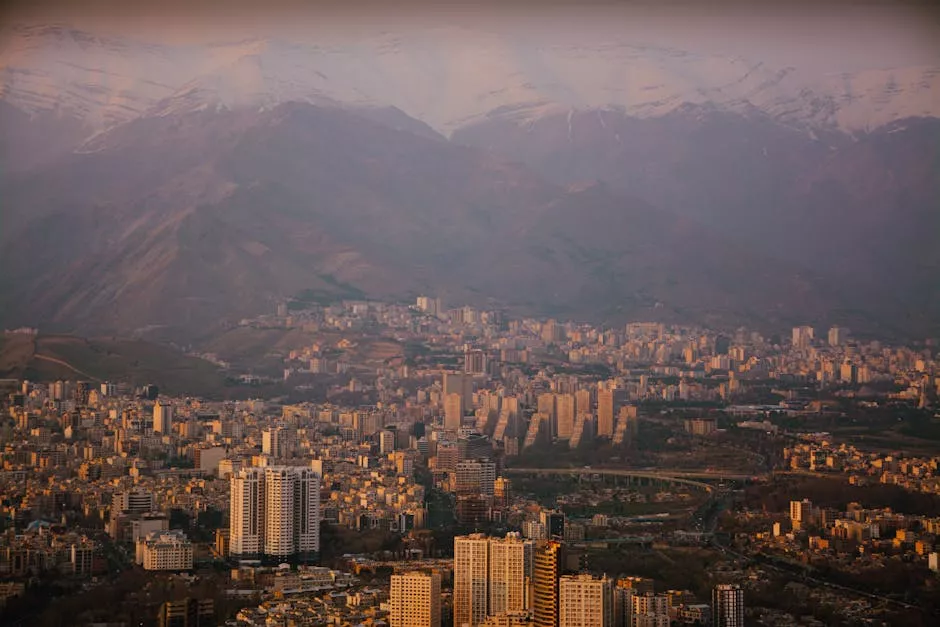
The bustling streets of Tehran present a vivid tableau of a city teetering on the brink between economic survival and political uncertainty. Shahreza, one of the city's main shopping thoroughfares, is alive with the hum of traders and customers. Yet, beneath this veneer of normalcy, a deeper anxiety pervades.
Financial Strain and Social Impact
Iran's economy is inextricably linked to international sanctions; these have tightened significantly over the past decade. Since the U.S. reimposed sanctions in 2018, after withdrawing from the Joint Comprehensive Plan of Action (JCPOA), Iran has witnessed a sharp devaluation of its currency, the rial. This economic pressure has strained the livelihoods of millions.
For many Iranians, daily life is characterized by rising inflation, which has made basic goods difficult to afford. The International Monetary Fund estimates inflation rates of over 40 percent annually, burdening the average citizen. In everyday interactions at markets, the effects of this economic squeeze are palpable. Traders express frustration over the instability, with many fearing that their businesses may not survive the coming months.
Political Climates Worsen
Adding to the economic strain is the ever-looming threat of conflict. The assassination of Qasem Soleimani in 2020, heightened tensions between Iran and the U.S., and the ongoing regional proxy conflicts have only served to escalate fears within the country. The potential re-negotiation of the nuclear deal under the Biden administration offers a glimmer of hope, yet significant distrust remains.
Moreover, Iran’s alliances within the region, including with non-state actors such as Hezbollah, further complicate the geopolitical landscape. Regional neighbors, such as Saudi Arabia and Israel, watch with apprehension over Iran’s intentions, fueling a fragile peace that could shatter with little warning.
Historical Context Behind the Struggles
Iran's history of international engagement is complex. Following the 1979 Islamic Revolution, Iran underwent substantial isolation, affecting its global trade and oil export capabilities. The repercussions of that era still echo today, influencing both domestic policies and international relations.
Oil, once Iran's economic savior, now demonstrates the fragility of reliance on a single resource, further exacerbated by fluctuating global oil prices and sanctions. The Iranian government strives to diversify its economy but faces significant obstacles in technology and infrastructure development due to ongoing restrictions.
Geopolitical Implications
The situation in Tehran is not just about the immediate economic and existential fears of its people, but a matter of global consequence. Stability in Iran plays a crucial role in global oil markets; any disruption impacts prices and global supply chains. Additionally, Iran's geopolitical strategies influence the broader Middle East, affecting peace treaties and regional allegiances.
As world powers—both Western and Eastern—continue to engage in diplomatic maneuvers, Tehran remains a focal point for international policy and security dialogues. A stable Iran could not only open the pathways for prosperous international trade but also act as a keystone in securing long-lasting peace across the Middle East.
Why It Matters
Why It Matters: The situation in Tehran reflects broader regional tensions with significant global implications. The city’s economic pressures are microcosms of more significant global trends of inflation and supply chain disruptions exacerbated by geopolitical conflicts. For international stakeholders, the stability of Iran is crucial not only for Middle Eastern peace but also for broader economic security, given its substantial oil reserves. Observers should closely follow potential movements in nuclear negotiation talks, regional diplomatic relationships, and domestic policy shifts within Iran for future developments that could shape global markets and international alliances.