Cuban Protesters Target Party Office Amid Severe Blackouts
Amid escalating power outages and food shortages, Cubans stage rare protests targeting the Communist party, igniting concerns about potential unrest.
Middle East & Diplomacy Specialist
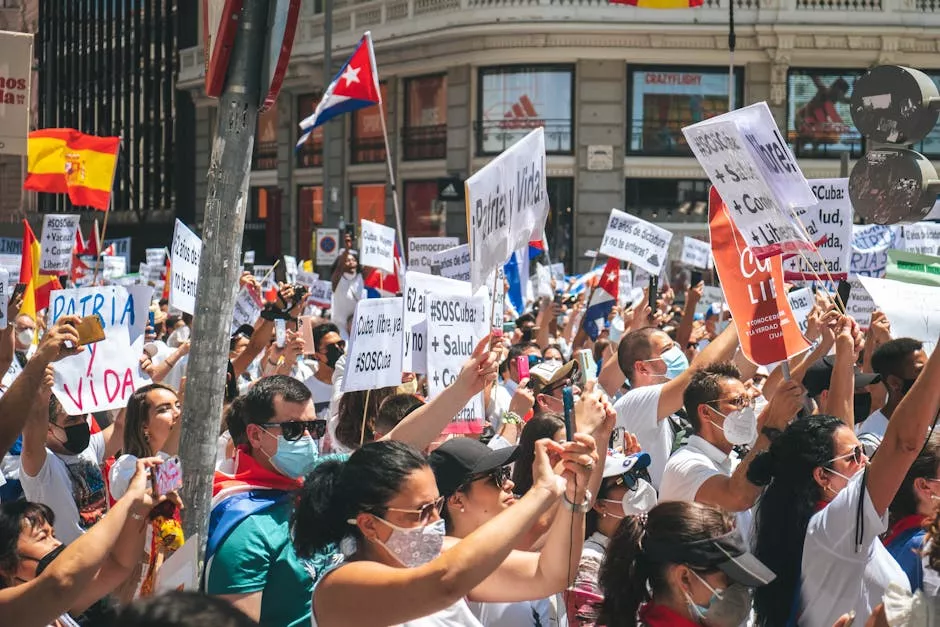
In a rare display of public dissent, protesters in Cuba recently targeted a Communist Party office, signaling mounting frustration amidst ongoing power outages and chronic food shortages. The recent events mark a significant moment of unrest in a country where dissent is often met with swift government intervention. The catalyst for the demonstration was the persistent lack of electricity, a situation worsened by a weakened infrastructure subjected to frequent breakdowns.
Electricity shortages are not new to Cuba, but the current crisis is exacerbating the island's fragile socioeconomic conditions. As days without power stretch into weeks for some communities, the population, already burdened by sporadic access to basic necessities, finds itself at a breaking point. With the island's tourism-reliant economy taking a severe hit from the COVID-19 pandemic, available resources have dwindled.
Historical Context of Cuban Protests
Historically, Cuba has seen limited large-scale protests due to strict governmental control over assembly and free speech. The last notable instance of widespread public protest occurred in July 2021, when Cubans took to the streets across the country to express grievances over food shortages and a worsening health crisis amid the pandemic. The government's response was marked by mass arrests and increased suppression.
Cuba's current form of government, a communist state led by the Communist Party of Cuba, has maintained control since the 1959 revolution led by Fidel Castro. While the nation has achieved significant milestones like near-universal healthcare and education, basic freedoms and economic reforms have lagged, leaving citizens with limited avenues for grievance redressal.
Regional and International Implications
The ramifications of these demonstrations extend beyond local grievances and reflect the broader socio-political dynamics within the Americas. The resurgence of protests underscores vulnerability within authoritarian systems, highlighting the delicate balance between state control and public dissent. The unrest could potentially influence neighboring countries in Latin America grappling with similar challenges, reinforcing calls for democratic reforms.
The regional response includes cautious acknowledgment from Latin American nations, many of which maintain diplomatic ties with Cuba. However, these nations must tread carefully, given their own domestic challenges and the potential geopolitical repercussions of a change in the Cuban status quo.
Geopolitical Implications
On the geopolitical stage, the intensifying domestic unrest places Cuba in a complex position. The island nation, historically aligned with socialist and communist allies, could find itself in need of support from external partners if domestic instability worsens. The role of international actors, such as the United States, historically an adversary but intermittently a partner in dialogue, remains pivotal. Any shift in U.S. policy towards Cuba could influence the island's internal actions and economic responses.
Furthermore, international human rights organizations continue to monitor the unfolding situation closely. While advocating for fundamental freedoms, these organizations remain wary of potential retaliatory measures by the Cuban government against demonstrators. Such acts of suppression may attract global condemnation, potentially resulting in sanctions or diplomatic interventions.
Why It Matters
Why It Matters
The latest protests in Cuba serve as a critical barometer for the island's socio-political climate and carry broader implications for regional stability in the Americas. As Cubans become increasingly vocal against longstanding shortages and governance issues, the government faces mounting pressure to adapt or risk further unrest. The outcome of these protests will also shape the narrative surrounding authoritarian resilience in the face of popular dissent. Countries and organizations observing Cuba might either see these developments as a symbol of necessary change or a cautionary tale in governance. Moving forward, watch for shifts in international discourse around Cuba, potential government concessions or clampdowns, and reactions from key global players like the United States.