Arrests at Al-Quds Day Rally in London Defy Restrictions
Police respond with 12 arrests as hundreds gather for the Al-Quds Day rally in London, challenging governmental restrictions on public assemblies.
Africa & Global Economy Correspondent
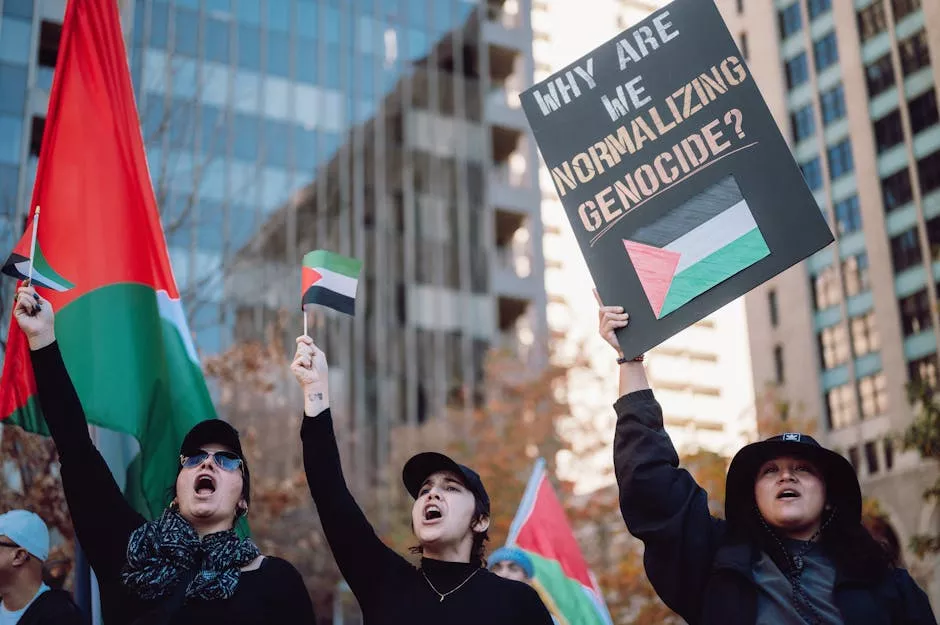
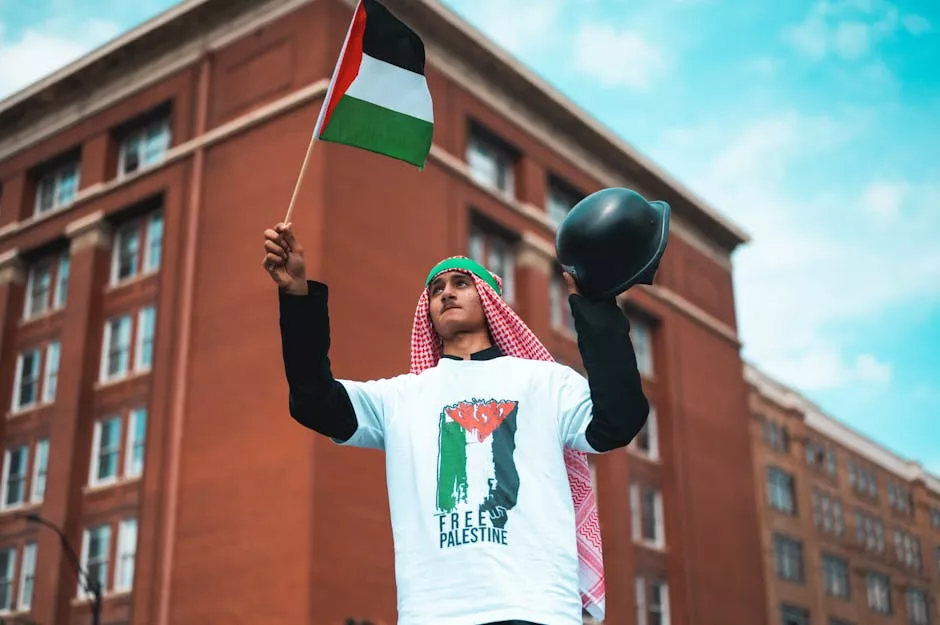
In a dramatic display of dissent, hundreds gathered on the Thames embankment in London to participate in the Al-Quds Day rally, despite government-imposed restrictions aimed at curtailing such assemblies. The event, which led to the arrest of a dozen individuals, has brought to the forefront the contentious debates surrounding free speech, public safety, and international solidarity.
Historical Context of Al-Quds Day
Al-Quds Day, initiated by Iran in 1979, is held annually on the last Friday of Ramadan to express solidarity with the Palestinian cause and to oppose Zionism and the Israeli state's control of Jerusalem, known in Arabic as Al-Quds. Over the decades, it has become a global event with rallies held in numerous cities worldwide.
In the United Kingdom, Al-Quds Day rallies often draw significant numbers of participants and feature contentious debates, as they touch upon sensitive issues such as Middle East politics, national identity, and religious tensions. London's diverse populace has traditionally demonstrated strong opinions on these matters, reflecting the city's multicultural character.
Government Restrictions and Public Response
The UK government had imposed restrictions on public gatherings, citing security concerns and COVID-19 protocols. However, demonstrators were undeterred, assembling in significant numbers to voice their political stances. This defiance not only resulted in police intervention but also sparked a wider debate about the balance between public safety and the right to protest.
Authorities justified the arrests on the basis of maintaining public order and enforcing compliance with restrictions. In contrast, participants and organizers have criticized the government's approach, arguing that it stifles legitimate political expression and targets marginalized voices.
Regional and Global Implications
The London rally is emblematic of broader geopolitical tensions. The Palestinian struggle remains a deeply emotive issue, affecting not only those within the Middle East but also resonating with diasporas and activists worldwide. Within the UK and Europe, these events bring to light the complexities of integrating diverse communities, ensuring both freedom and security.
This rally, despite being localized, also underscores the enduring influence of Middle Eastern politics on global affairs. As geopolitical dynamics continue to shift—especially with ongoing peace negotiations, regional conflicts, and international diplomatic efforts—events like the Al-Quds Day rally serve as a reminder of the persistent and often heart-wrenching debates that surround these issues.
Looking Ahead
As governments worldwide navigate the challenges of the post-pandemic world, particularly concerning public gatherings and civic movements, the outcomes of such rallies will set critical precedents. Observers will be watching closely to see how authorities manage these situations and what it might mean for future events related to international solidarity movements.
Why It Matters
The Al-Quds Day rally in London highlights significant geopolitical undertones. Its occurrence against the backdrop of governmental restrictions signifies a pushback against perceived limitations on civil liberties. Worldwide, similar rallies are manifestations of international frustration with the slow pace of solutions to the Palestinian-Israeli conflict, illustrating the widespread influence of Middle Eastern geopolitics. The arrests and subsequent public discourse are indicative of broader societal tensions about balancing security with freedom of expression. Moving forward, it will be crucial to monitor how such events influence diplomatic relations and public policy in the UK and beyond, as they may inspire similar actions globally.