Cuban Protests Escalate Amid Energy Crisis and US Blockade Pressures
Cuba faces mounting unrest over energy shortages and US sanctions, leading to increased protests and tensions.
International Relations Correspondent
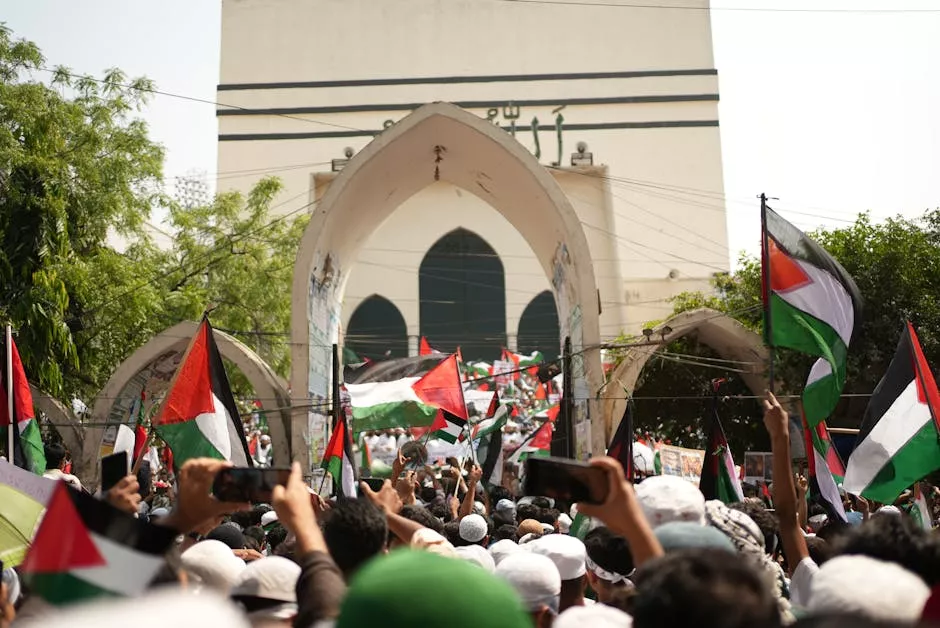
As Cuba grapples with a worsening energy crisis and enduring US-imposed economic sanctions, civil unrest is escalating across the island. Recent protests have seen demonstrators ransacking Communist Party offices, a bold indication of deepening discontent. The immediate catalyst for these protests appears to be widespread rolling blackouts and acute shortages in essential goods such as food, fuel, and medicine.
Historical Context of Cuba's Economic Struggles
The current crisis in Cuba has deep roots in both domestic and international spheres. Since the 1960s, the United States has maintained a trade embargo on Cuba, following the revolution that brought Fidel Castro to power. This embargo, combined with Cuba's own economic policies, has constrained the island's economic growth.
The collapse of the Soviet Union in the early 1990s marked another profound economic turning point, severing key subsidies and trade relationships. The ensuing 'Special Period' saw Cuba struggling to maintain the basic functioning of its economy, a legacy that still affects the nation's infrastructure and resource management today.
The Role of the US Blockade
The US embargo has been a focal point of international debate, with successive Cuban governments blaming it for economic hardships and humanitarian issues. The embargo restricts Cuba's access to vital imports and global markets, significantly impacting its ability to secure oil and other critical resources.
Despite some easing of restrictions during the Obama administration, recent US policies have reinforced these measures, intensifying the economic stranglehold on the island. The blockade is often viewed as a geopolitical maneuver, aimed at pressuring the Cuban government towards democratic reforms.
Regional Repercussions and Perspectives
Cuba's current upheaval comes at a tense moment for the Caribbean and Latin America, which have witnessed various social protests in recent years. Governments across the region are closely monitoring the situation, with potential implications for regional stability and migration patterns.
Countries like Venezuela, historically allied with Cuba, are experiencing their own crises, complicating potential support systems for the Cuban government. Meanwhile, the broader geopolitical tensions between the US and socialist countries in the Americas continue to influence public sentiment and policy.
International Geopolitical Implications
The crisis in Cuba is symptomatic of larger geopolitical dynamics. The US blockade is a relic of Cold War hostility, persisting as a point of contention in US-Latin American relations. The developments in Cuba could affect foreign policy discussions, particularly regarding US engagement with the region.
Moreover, the visible distress in one of the world's last remaining socialist states poses questions about the viability of such economic models amid globalizing economies. As the international community watches, the political and humanitarian responses could set precedents for similar situations worldwide.
Why It Matters
The unfolding crisis in Cuba is more than just an internal challenge; it has significant ramifications for international geopolitics. The Cuban protesters' actions underscore a critical juncture where economic hardships have catalyzed demands for political change, potentially heralding shifts in governance or policies. The geopolitical chessboard is complicated further by the US's hardline stance, which influences both regional alliances and global perceptions of American foreign policy.
For the global observer, this situation highlights the persistent complexities of combining human rights advocacy with economic sanctions as tools of foreign policy. As tensions rise, future developments in Cuba can serve as a barometer for US-Latin American relations and the efficacy of diplomatic versus punitive strategies. The world will be watching closely to see how this small island nation navigates its significant challenges, and whether its responses will ripple beyond its borders.