Venice Biennale 2026: Russia's Return and EU Funding Cuts
The 2026 Venice Biennale sees Russia's return amid EU threats to cut funding, sparking debates on art, politics, and international relations.
International Relations Correspondent
The 2026 Venice Biennale: A Controversial Revival
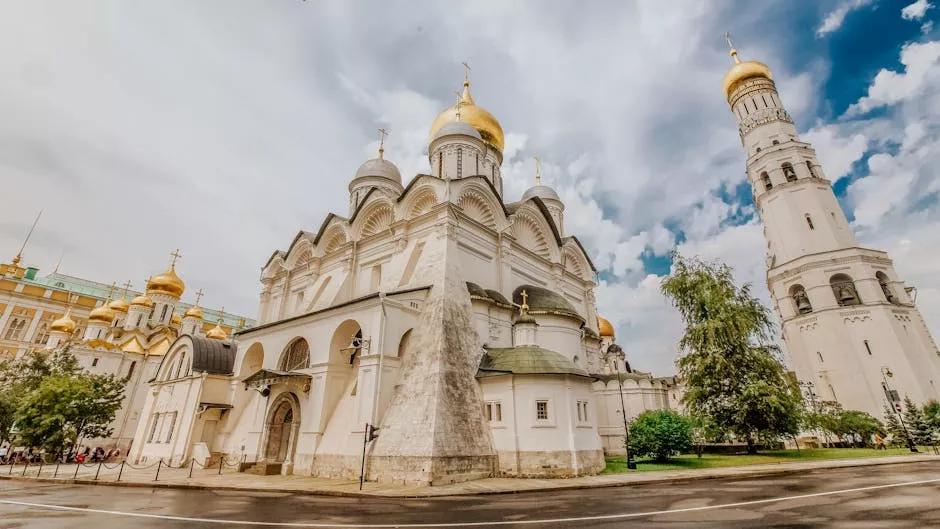
The Venice Biennale, known for its grand celebration of art and culture, has stirred significant geopolitical discourse in 2026 with Russia's reentry into the fold. Following years of exclusion owing to international sanctions, Russia's pavilion will once again be part of this prestigious event. The reintroduction of Russia has prompted the European Union to take a stand by fulfilling its threat to withhold funding from the Biennale, casting a shadow on the renowned art expo.
Historical Perspectives
Russia's involvement in the Venice Biennale has been a topic of contention since the imposition of sanctions following the Crimea annexation in 2014. Historically, the Biennale has been a platform for countries to showcase cultural prowess, but in recent years, it has also become a stage for political expression. Russia’s previous exclusion mirrored broader geopolitical tensions, emphasizing art's intertwined relationship with politics.
The decision to re-admit Russia this year has been rooted in calls for open dialogue and cultural exchange as a means to bridge political divides. However, this attempt at fostering unity has met with criticism from EU officials who argue that it undermines the bloc's stance against violations of international law.
The EU's Bold Stand
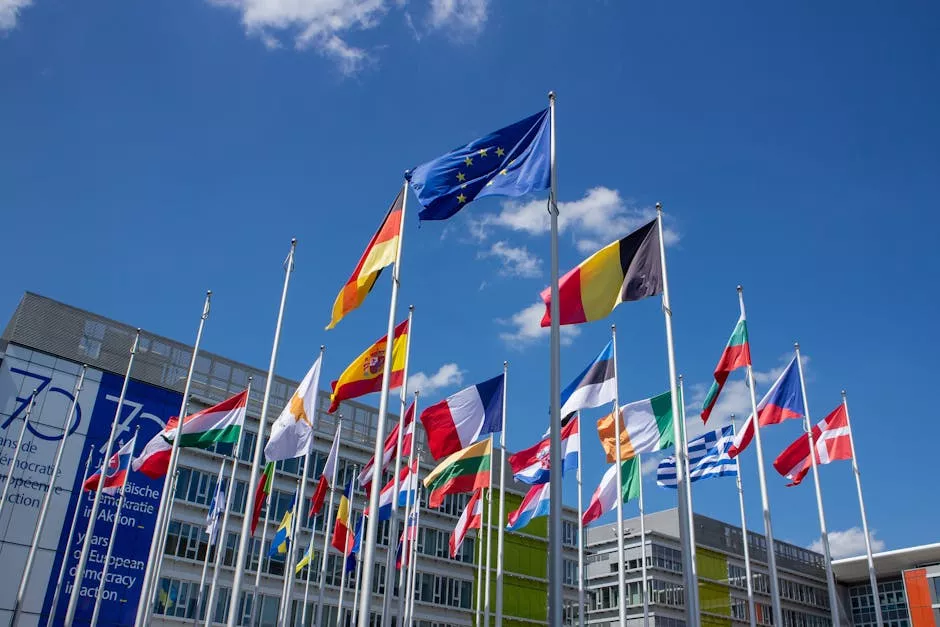
The European Union's decision to withdraw funding is emblematic of its broader strategy to employ economic measures as a tool for political leverage. The funding cut, although primarily symbolic in the relatively wealthy context of the Biennale, represents a significant stance against perceived normalization of relations with Russia without addressing underlying issues.
Officials from the EU have stated that their commitment to human rights and international law requires consistent application, and participating in the same platform as Russia under the current circumstances was untenable. This has led to a re-evaluation of how cultural platforms should navigate the complex landscape of global politics.
Implications and Reactions
Reactions to these developments have been mixed. Artists and curators have expressed concern that the intersection of cultural and political spheres could limit creative expression. Advocates of cultural diplomacy propose that isolating countries could hamper opportunities for cross-cultural understanding. Conversely, some analysts argue that art events are powerful amplifiers of national narratives and should not be immune to geopolitical considerations.
In Russia, the move to re-participate is seen as a positive step towards rehabilitation on the global stage, promoting a view of openness and cultural integration. However, skepticism remains both internally and externally over the authenticity of such diplomatic gestures.
The Role of Art in Political Discourse
The Biennale's latest controversy poses questions about the role of art in geopolitical discourse. Should art be a sanctuary free from political influence, or does it inevitably play a part in the larger diplomatic canvas? This question remains at the heart of current debates.
As art continues to reflect social issues, such events are bound to remain entangled with political developments. The Venice Biennale is a reminder of the delicate balance between cultural exchange and political allegiances, serving as a barometer for global relations.
Why It Matters
Why It Matters
The 2026 Venice Biennale is a potent example of how cultural events operate in the geopolitical sphere. Russia's return amidst EU funding cuts exemplifies the tension between cultural diplomacy and political accountability. This scenario underscores the challenges faced by international organizations in balancing cultural outreach with ethical governance. As geopolitical interests increasingly influence cultural platforms, the Biennale may set precedents for how similar events navigate political controversies.
The broader significance lies in the tension between fostering cultural dialogue and maintaining political hard lines. For observers, the situation poses questions about the future of international cultural policies and the efficacy of diplomacy through art, making it a pivotal case to watch in ongoing debates about global integration and resistance.