Scotland's Future: Youth Torn Between UK Unity and Independence
As Brexit reshapes UK dynamics, young Scots face the pivotal choice between independence and union in the upcoming elections.
Africa & Global Economy Correspondent

Scotland stands at a crossroads. In a landscape reshaped by Brexit, the question that has long defined its political identity resurfaces: Should Scotland remain within the United Kingdom, or should it seek independence? As the Scottish elections approach in May, this debate is particularly poignant among Scotland's youth, who are caught between historical ties and visions of an autonomous future.
Historical Context
Scotland's history is intricately related to its union with England, stemming back to 1707 when the Acts of Union were signed. These acts were both a political and economic agreement that founded Great Britain. However, the sentiment for independence has endured over the centuries, rising prominently in the late 20th and early 21st centuries. The 2014 referendum was a pivotal moment, where 55% of Scots voted to stay in the UK. But Brexit has changed the landscape, with many arguing that it was a game-changer that altered the terms under which Scotland chose to remain in the United Kingdom.
The Impact of Brexit
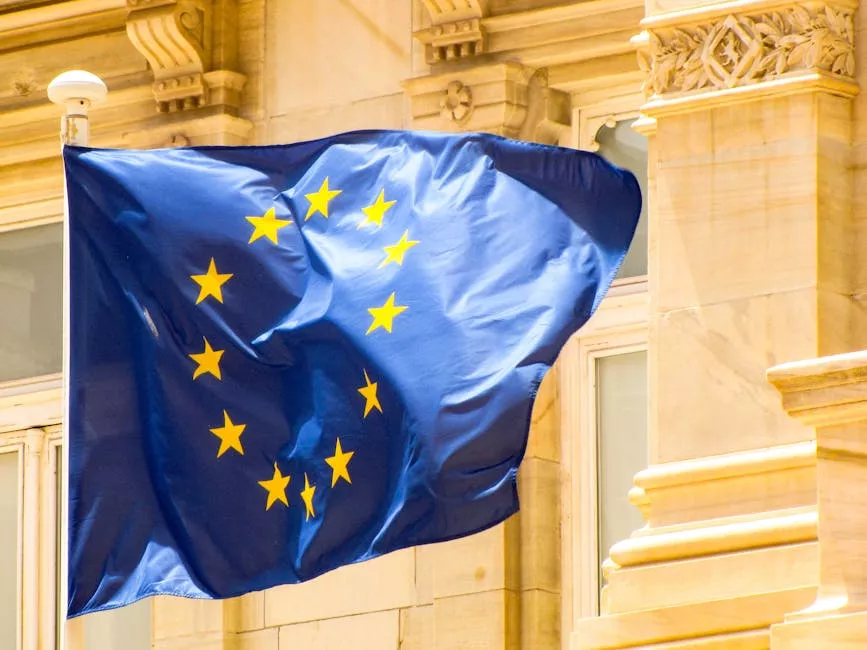
One of the significant arguments for Scottish independence is the European Union. In the 2016 Brexit referendum, Scotland voted overwhelmingly to remain in the EU, with 62% against leaving. The forced separation from the EU has reignited calls for independence, particularly among the younger demographic that sees a future more aligned with European values and market opportunities. For many young Scots, the EU represents not just a trading bloc but a wider cultural and political community they feel connected to.
The Perspective of Young Scots
Visiting towns and universities across Scotland, a diverse range of opinions from young Scots emerge. Some see independence as a chance to build a fairer, more progressive society that aligns with their ideals of social democracy. Others fear the economic consequences that could arise from breaking away from the UK, preferring the stability and security that the union currently provides.
"Living in Scotland post-Brexit feels like there's an imposed identity crisis," remarks Kirsten McNeil, a 21-year-old student from Edinburgh. "On one hand, we're being pulled towards this idea of a European identity, but we're also tied to the historical and familial bonds with England."
Geopolitical Implications
Scotland's potential independence carries significant geopolitical implications. It would not only alter the internal dynamics of the UK but also impact European geopolitics. An independent Scotland may seek immediate reentry into the EU, which could encourage other regions in Europe with separatist movements, such as Catalonia, to pursue similar ambitions.
The UK government, facing this potential secession, would have to navigate complex negotiations over national debt, shared assets, and trade arrangements, both with Scotland and EU.
Political Climate Leading to Elections
The upcoming elections will pivot heavily on the independence debate. The Scottish National Party (SNP) continues to champion this cause, promising another referendum if victorious. However, other parties, wary of economic uncertainties in the post-pandemic world, advocate for maintaining the union.
Amid rising political tensions, young voters are seen as the key demographic, holding the balance on this decision that will shape Scotland's future. Policymakers, analysts, and the international community watch closely as Scotland tiptoes to an electoral decision that may redefine not only its own borders but also its place within Europe's evolving political landscape.
Why It Matters
Why It Matters: The question of Scottish independence is not merely a regional issue. Its resolution holds broader implications for the unity of the United Kingdom and the geopolitical order in Europe. Scotland opting for independence could prompt a domino effect, influencing separatist movements in other regions, altering the EU's approach to member states' integrity, and reshuffling alliances in a post-Brexit context. Observers should watch the young electorate, whose motivations may steer the future direction of Scotland and impact broader issues of nationalism vs. globalization in the 21st century.