Trump's Sanctions on Cuba: A New Era of Economic Tensions
The U.S. ramps up sanctions on Cuba, targeting vital sectors, calling it 'collective punishment', igniting political and economic tensions.
Defense & Security Editor
Tightening the Noose: The U.S. Strategy
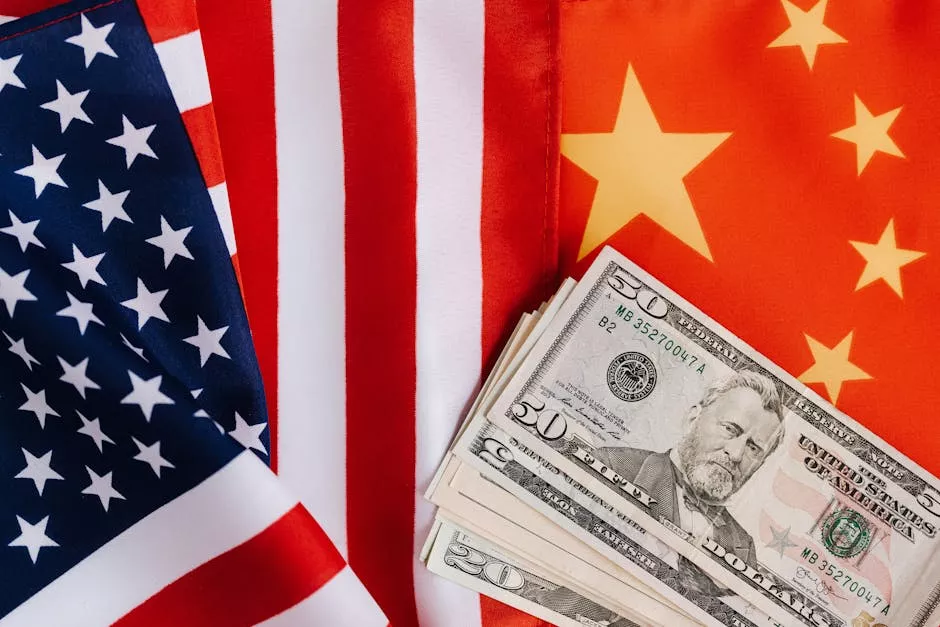
In a controversial move, the Donald Trump administration has announced a new set of sanctions targeting key sectors of the Cuban economy, including energy, defense, and mining. This action underscores an aggressive American strategy designed to put economic pressure on the Cuban government. President Trump’s executive order reflects a broader policy agenda aimed at isolating Havana in the aftermath of heightened tensions following Venezuela's political crisis.
Cuban Response and International Critique
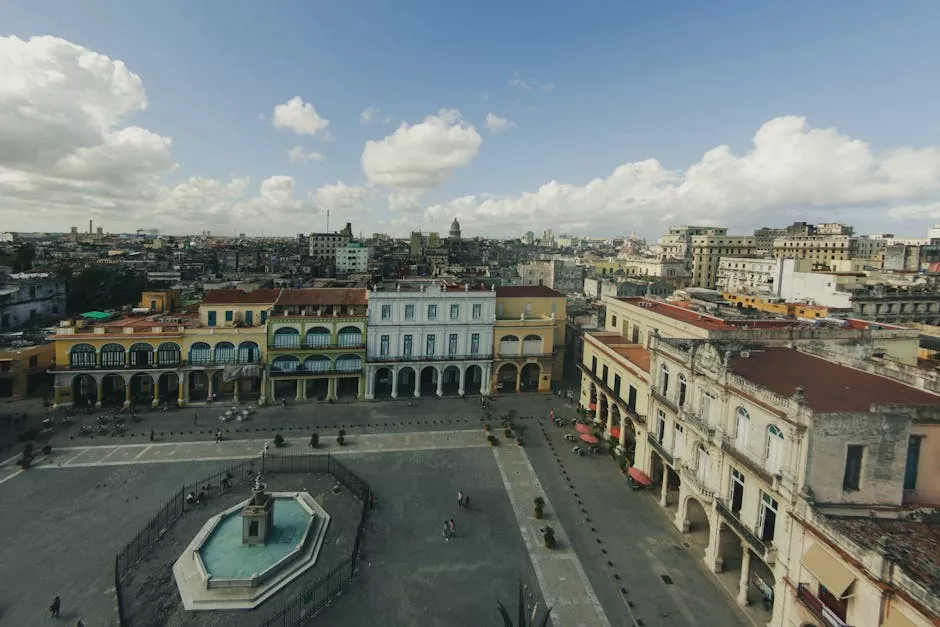
The Cuban government has quickly condemned these sanctions, labeling them as 'collective punishment' and an unjust means to manipulate the small nation. Cuban officials argue this approach contradicts international norms and harks back to the Cold War era of hostility and embargo. This sentiment was visibly shared by thousands who marched in a massive May Day demonstration in front of the American embassy in Havana, vowing to protect their homeland against external pressures.
Historical Context: U.S.-Cuba Relations
The relationship between the United States and Cuba has been fraught with tension since the Cuban Revolution in 1959, which brought Fidel Castro to power. Since then, the U.S. has imposed a broad economic embargo, drastically affecting Cuba’s trade and economic growth. While some efforts were made towards normalization under the Obama administration, including the reopening of embassies and easing of travel restrictions, the Trump administration has largely reversed these policies, reinstating sanctions and cutting diplomatic ties.
The Geopolitical Dimension
These sanctions are not merely an economic issue but have broader geopolitical implications. By targeting sectors critical to Cuba's economic stability, the U.S. seeks to crumble the foundations of the Cuban government's ability to maintain sovereignty and economic autonomy. This move can be viewed as part of a broader strategy to influence political changes in Latin America, echoing similar efforts with the Venezuelan leadership under Nicolás Maduro.
Regional Reactions and Impacts
Latin American nations are closely watching this unfolding scenario. Many criticize the U.S. for its heavy-handed tactics, which they perceive as neo-imperialist interventions undermining regional stability and economic sovereignty. Countries like Mexico and Venezuela offer their solidarity with Cuba, advocating for a unified Latin American response against what they deem undue U.S. intervention in regional affairs.
Prospects and Path Forward
The future of U.S.-Cuba relations remains uncertain. With the 2026 U.S. elections on the horizon, shifts in political leadership could once again alter the approach towards Cuba. Meanwhile, Cuba will likely continue to seek diplomatic and economic support from allies such as Russia and China to counterbalance American pressures.
Why It Matters
Why It Matters
The latest round of sanctions on Cuba highlights ongoing U.S. policy approaches that prioritize economic leverage to influence political systems. These actions could escalate political tensions not only between the U.S. and Cuba but also across the Americas, potentially leading to a more polarized region. The situation signifies significant implications for international diplomacy, as it tests the resilience of Cuban sovereignty and the wider influence of American foreign policy. Markets and international relations experts should monitor any potential retaliatory measures by Cuba or shifts in alliances within Latin America, which could influence future diplomatic engagements and global economic policies.