Cuba Condemns Trump Sanctions: A Geopolitical Standoff Unfolds
Cuba denounces new Trump-era sanctions as harmful to its people, escalating tensions in US-Cuba relations.
Senior Geopolitical Analyst
US Sanctions Ignite Diplomatic Uproar
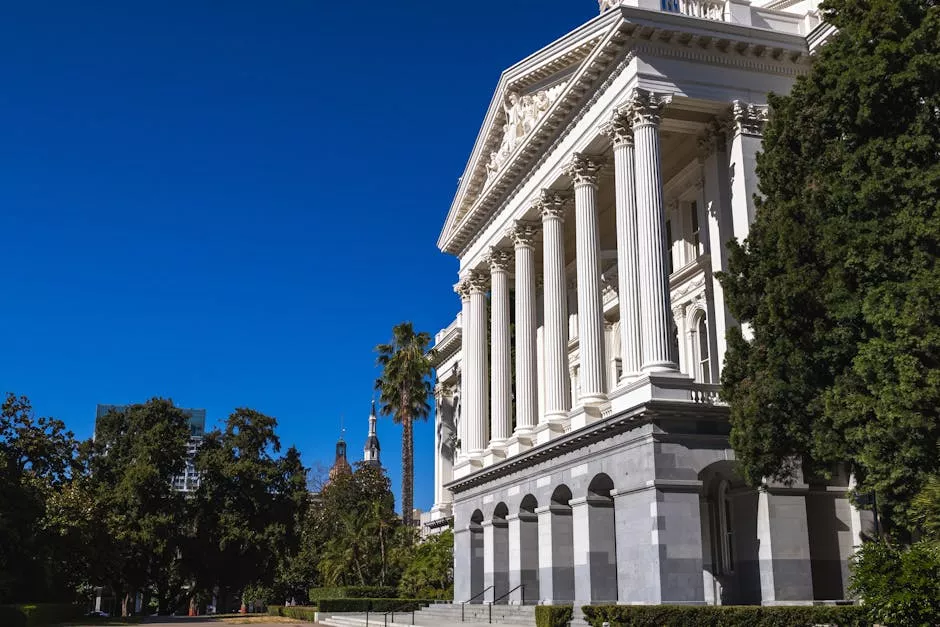
The recent imposition of new sanctions on Cuba by the administration of US President Donald Trump has sparked a vehement response from the Cuban government. Officials in Havana have labeled these measures as 'collective punishment' aimed at the Cuban populace, intensifying the already strained relations between the United States and Cuba.
Background and Historical Undercurrents
Historically, the relationship between Cuba and the United States has been fraught with tension. The US economic embargo, first enacted in the early 1960s following the Cuban Revolution and the nationalization of American-owned properties, laid the groundwork for decades of strained engagement. The Obama administration made strides toward thawing relations, culminating in the restoration of diplomatic ties in 2015 and lifting some trade and travel restrictions.
However, the geopolitical landscape shifted once more with the election of Donald Trump. Since taking office, Trump has systematically rolled back many of Obama's initiatives, reinstating a range of restrictions and sanctions, citing Cuba's alleged human rights abuses and its support for Venezuela's Maduro regime.
The Recent Sanctions
This latest round of sanctions intensifies the existing embargo by further limiting Cuba's access to American financial services and materials. President Trump's measures target Cuba's tourism-dependent economy, severely hampering its ability to earn foreign currency.
Cuban Foreign Minister Bruno Rodríguez responded sharply, accusing the United States of using sanctions as a tool of political manipulation designed to destabilize the Cuban government and increase pressure on its people. Rodríguez insists these moves are part of an aggressive agenda to undermine Cuba's sovereign choice of governance.
Regional Implications
The fallout from the sanctions extends beyond Cuba, impacting regional alliances and economic networks across Latin America. Countries in the region are wary of the broader implications for trade and diplomatic relations, particularly as they navigate the complexities of US foreign policy under the Trump administration.
Geopolitical Implications
On a global scale, the sanctions against Cuba reflect larger geopolitical strategies within the Trump administration. The hardline approach aligns with Trump's broader narrative on international relations, characterized by increased economic pressure to achieve geopolitical objectives.
Critics of the policy argue that this strategy risks isolating the US diplomatically and economically from potential regional partners, who may view this assertiveness as a threat to sovereign governance structures. Proponents argue that tightening sanctions will force the Cuban government to make concessions related to democratic reforms and human rights.
Ultimately, these sanctions are a test of America's influence in the Western Hemisphere, where burgeoning powers and coalitions continue to challenge its dominance.
Why It Matters
Why It Matters
The recent sanctions imposed by the Trump administration on Cuba are not just a bilateral issue but rather a reflection of broader geopolitical dynamics at play. These measures could exacerbate tensions in US-Latin American relations, as regional powers reassess their economic partnerships and diplomatic alignments. As the world increasingly becomes interconnected, the implications of these sanctions transcend national borders, potentially affecting global trade networks and security alliances. Observing Cuba's response and its subsequent impact on regional diplomacy will provide insights into the shifting patterns of influence in the Americas and beyond. For global observers, this situation underscores the importance of diplomatic engagement and the potential consequences of unilateral actions.