Trump Postpones Meeting with Xi Amid Rising Tensions in Middle East
The escalating conflict in Iran shifts US focus, leading to the postponement of Trump's meeting with Xi Jinping in China.
Africa & Global Economy Correspondent

The decision by former President Donald Trump to delay his much-anticipated meeting with Chinese President Xi Jinping highlights the broader geopolitical challenges facing the United States. As tensions continue to escalate in Iran, many of the US foreign policy objectives have come under strain, demanding a recalibration of diplomatic priorities.
Background on US-China Relations
Historically, US-China relations have oscillated between cooperation and rivalry. The meeting between Trump and Xi was seen as an opportunity to address ongoing trade disputes and security concerns in the Indo-Pacific. However, the redirection of American foreign policy attention towards the Middle East signifies a potential shift in diplomatic strategy.
Under Trump's administration, the US had taken a hardline stance on China's economic practices, leading to a trade war that affected global markets. This meeting was expected to help ease some of the economic tensions and lay the groundwork for more stable relations between the world's two largest economies.
Impact of the Iranian Conflict
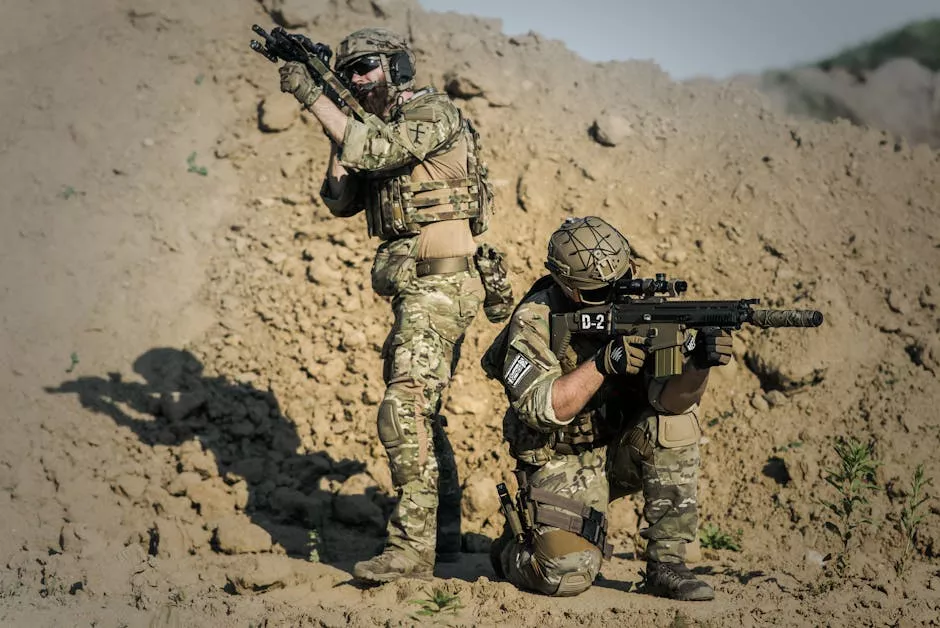
The mounting conflict in Iran, characterized by an increase in militant activities and geopolitical unrest, has demanded US attention and resources. The situation in Iran not only affects regional stability but also has significant implications for global oil markets and international security.
Given Iran's strategic position and its influence over major oil shipping lanes, the US's involvement in the region is seen as crucial to maintaining global economic stability. This focus on the Middle East leaves less bandwidth for addressing issues in the Indo-Pacific, including the pending meeting with Xi Jinping.
Geopolitical Implications
The delay in the Trump-Xi meeting could have far-reaching effects on both bilateral relations and the broader Indo-Pacific region. China's increasing military assertiveness in the South China Sea and its growing influence in the region remains a significant concern for the US and its allies. Without high-level diplomatic engagements, there's a risk of widening the gap between the two powers, which could lead to increased tensions and misunderstandings.
Moreover, Trump's focus on Iran might embolden China to further its strategic interests in Asia, potentially altering power dynamics in the Indo-Pacific.
Regional Perspectives
Regional actors, particularly US allies in Asia, are closely monitoring these developments. Countries like Japan, South Korea, and Australia rely on strong US leadership to counterbalance China's ascent and ensure regional security. The postponement of the Trump-Xi summit raises questions about the US's commitment to its allies in the Indo-Pacific at a time when they are grappling with China's rise.
Furthermore, the Iranian situation might also prompt China to strengthen its ties with Tehran, using economic and diplomatic means to expand its influence in the Middle East.
Why It Matters
The deferral of Trump's meeting with Xi is emblematic of the complex web of geopolitical priorities facing global powers today. While US-China relations undoubtedly require attention, the immediacy of the Iranian conflict illustrates the unpredictability of international relations. This delay not only highlights the challenge of balancing multiple foreign policy interests but also illustrates the potential for new alliances and allegiances to be formed as a result of shifting priorities.
For observers, the key is to watch how the US navigates its role in both regions. Will the US find a way to engage constructively with China while managing the crisis in Iran, or will this mark a turning point where the US increasingly focuses on the Middle East at the expense of Asian engagements? As the drama unfolds, the stakes remain high, with potential repercussions for global security and economic stability.