Iran Conflict Intensifies: Trump's War Signals and Rising Tensions
Iran decries US siege as Trump hints at renewed conflict, escalating Middle East tensions.
Middle East & Diplomacy Specialist
Escalating Conflict in the Middle East
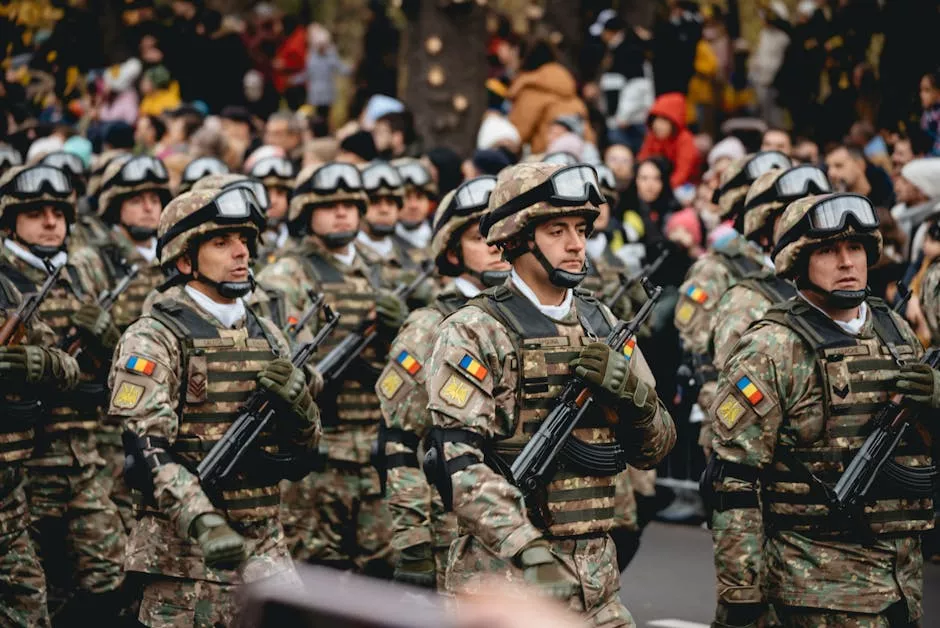
On the 63rd day of burgeoning tensions between the United States and Iran, the situation has taken a pivotal turn. Iran's president has vehemently criticized what he calls the 'intolerable' siege by the United States, following President Donald Trump's indications that hostilities might soon resume. This development has stirred anxiety across the Middle East, with potential repercussions for global stability.
Historical Context
The current state of affairs between the US and Iran is deeply rooted in a complex history of political and military entanglements. Relations soured decades ago, with notable flashpoints including the 1979 Iranian Revolution and subsequent US embassy hostage crisis. The fragile peace has been tested repeatedly, notably with the US withdrawal from the Iran nuclear deal in 2018 and the ensuing economic sanctions.
The assassination of General Qasem Soleimani by a US drone strike in 2020 was a particularly acute moment, nearly provoking a direct military confrontation. These events form the backdrop against which today's tensions must be understood.
Current Developments and Iranian Response
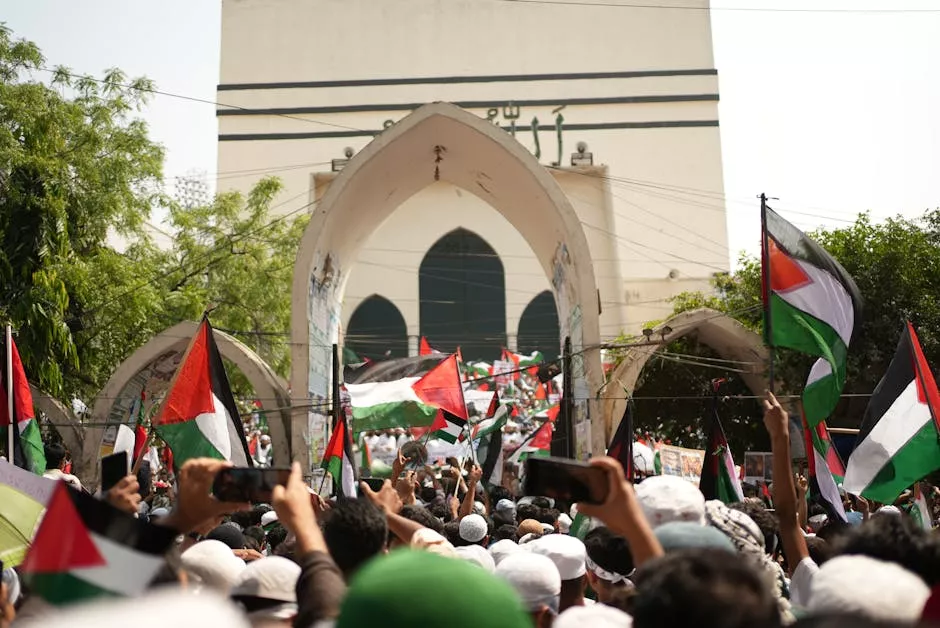
The Iranian presidency has labeled the current US actions as a siege, condemning the economic sanctions and military threats that Tehran sees as part of a broader strategy to destabilize the country. Iran's leadership has vowed to resist what it perceives as an existential threat, promising retaliatory measures through proxy forces in the region, further exacerbating tensions.
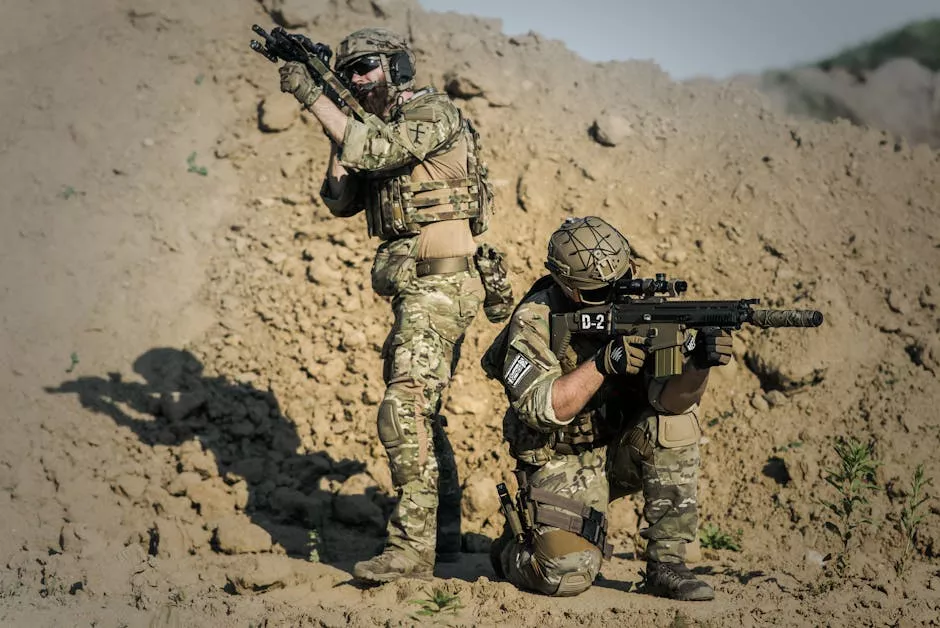
President Trump, known for his hardline stance, recently suggested that military options remain on the table, sparking fears of a possible US intervention. These comments have raised alarm bells in various diplomatic circles, worried about an escalation into open conflict.
Regional Perspectives
The Middle East is a mosaic of political alliances and enmities, many of which are being tested by the US-Iran antagonism. Regional powers like Saudi Arabia and Israel have traditionally supported US measures against Iran, viewing the Islamic Republic as a rival and a threat to their strategic interests.
Conversely, countries like Syria and Lebanon, influenced by Iranian-backed groups, find themselves in opposition to US ambitions, heightening intra-regional tensions. The Gulf states are particularly vulnerable, with their heavily trafficked waterways poised at the brink of naval skirmishes.
Geopolitical Implications
The potential for resuming conflict holds serious implications not just for the region but globally. The stakes include oil flow disruptions through the Strait of Hormuz, significant impacts on global energy markets, and complex diplomatic repercussions affecting NATO alliances.
The situation evokes strong reactions from global actors, with the European Union urging restraint and diplomatic resolution, mindful of the catastrophic consequences of an unchecked spiral into warfare.
Why It Matters
Why It Matters
The significance of this intensifying conflict cannot be overstated. At stake is not only regional stability but also the global economic equilibrium, particularly through potential disruptions in oil supplies. A renewed conflict could set off a chain reaction of local warfare in the Middle East, drawing in global powers, either directly or via proxy engagements.
The polarized reactions among international actors suggest a shifting geopolitical landscape, where long-standing alliances may be tested against national interests. Observers should watch for diplomatic interventions, public opinion shifts, and the strategic maneuvers of regional powers.
Resuming hostilities could also shift dynamics within international bodies like the United Nations, as member states grapple with the implications of another prolonged conflict. It is crucial to monitor how talks proceed—if at all—and what measures, both preventive and reactive, are adopted by the global community.