Trump Delays Iran Deal Deadline Amid Global Diplomatic Tensions
President Trump defers escalating Iran tensions, providing room for renewed diplomatic efforts amidst increasing geopolitical pressures.
Middle East & Diplomacy Specialist
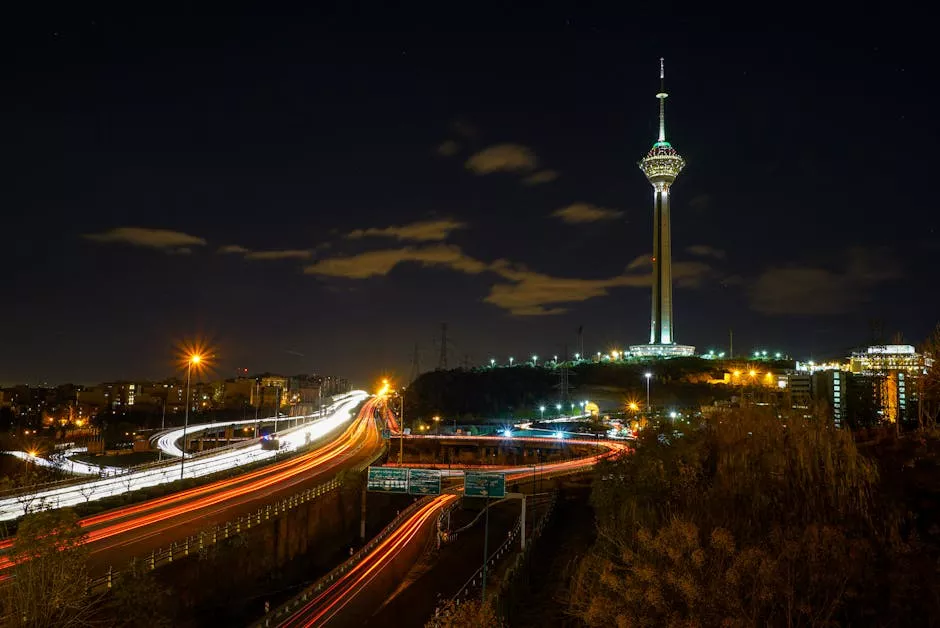
The geopolitical landscape took a pivotal turn as President Donald Trump opted to delay any immediate escalation regarding the Iran nuclear deal, a decision that marks his second strategic retreat in as many weeks. This move underscores the intricate dance of modern diplomacy where the stakes extend beyond bilateral tensions to influence regional stability in the Middle East.
Historical Context
The Iran nuclear deal, officially known as the Joint Comprehensive Plan of Action (JCPOA), was signed in 2015 between Iran and six world powers, including the United States, aimed at curtailing Tehran's nuclear ambitions in exchange for lifting crippling economic sanctions. However, the agreement's fragile foundation was tested following President Trump’s 2018 withdrawal, leaving subsequent administrations grappling with re-engagement complexities.
Recent Developments
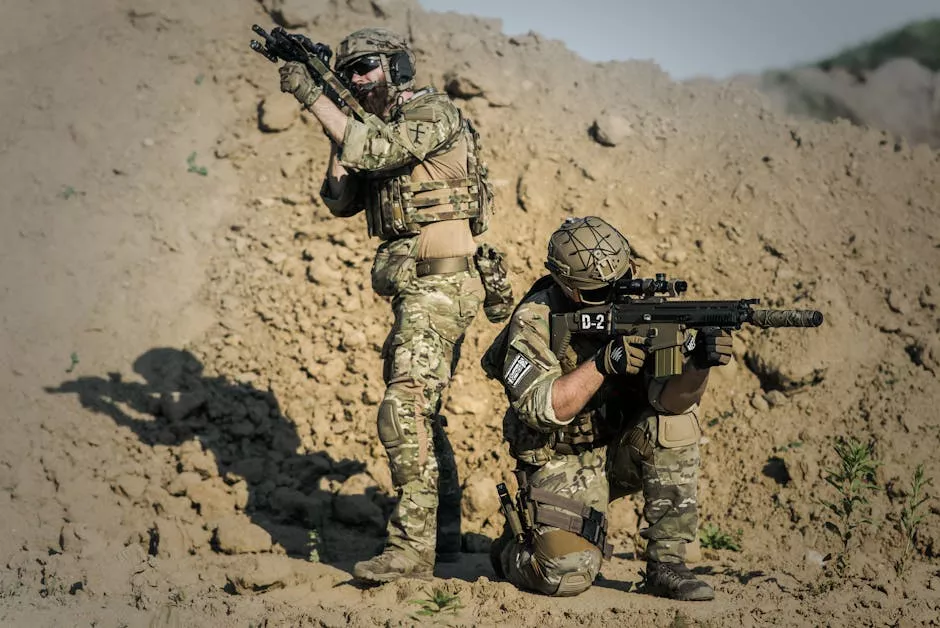
In recent weeks, President Trump's administration signaled a potential military response to alleged Iranian provocations, but the decision to delay suggests a tactical reconsideration perhaps influenced by ongoing diplomatic maneuvers and international pressure from allied nations weary of another Middle Eastern conflict.
Diplomatic corridors have been abuzz, with various intermediaries including European counterparts urging Washington to reconsider any impulsive military confrontations. The region's stability hangs by a thread, with global markets responding to even the slightest changes in policy stance.
Regional Perspectives
Iran, for its part, perceives this diplomatic breather as an opportunity to recalibrate its strategy. The Iranian government has repeatedly expressed its willingness to return to full compliance under the JCPOA's terms, provided sanctions are rolled back. This pause offers a window to mend bridges and potentially lay down new terms acceptable to both sides.
Across the region, key players like Saudi Arabia and Israel are monitoring developments with cautious optimism. Both nations hold substantial sway in how the American administration positions itself in Middle Eastern diplomacy and are crucial in lobbying for any strategic shifts.
Geopolitical Implications
The decision to buy time reflects not just on Iran but also presents broader implications. Diplomacy over military options signals a possible shift in U.S. foreign policy priorities, highlighting the complexities of the Trump era's international engagements.
Additionally, this diplomatic approach could potentially rejuvenate international institutions' roles in conflict resolution, advocating dialogue over conflict. The ripple effects of this decision extend to NATO allies, who may now face pressures to unify their stance on Iran amid lingering transatlantic divides.
As the geopolitical chessboard continues to evolve, eyes remain fixed on Washington's next steps, which will invariably influence economic and security dynamics across the globe.
Why It Matters
Why It Matters: The postponement of further confrontation with Iran holds profound implications for global diplomacy. This decision strategically eases immediate tensions and opens a crucial window for renewed diplomatic dialogue, potentially reinvigorating the JCPOA and reinforcing multilateral agreements. The U.S.'s pivot towards a diplomatic rather than military solution indicates its intention of recalibrating relationships with global partners wary of unilateral aggression. Moving forward, watching subsequent dialogues and domestic U.S. policy stances will be essential, shedding light on potential shifts in international norms and the robustness of collective security arrangements.