EU and Australia Forge Strategic Free Trade Agreement Amid Crisis
The EU and Australia finalize a critical free trade deal to enhance exports, diversify supply chains, and tackle geopolitical energy concerns.
Defense & Security Editor
Introduction
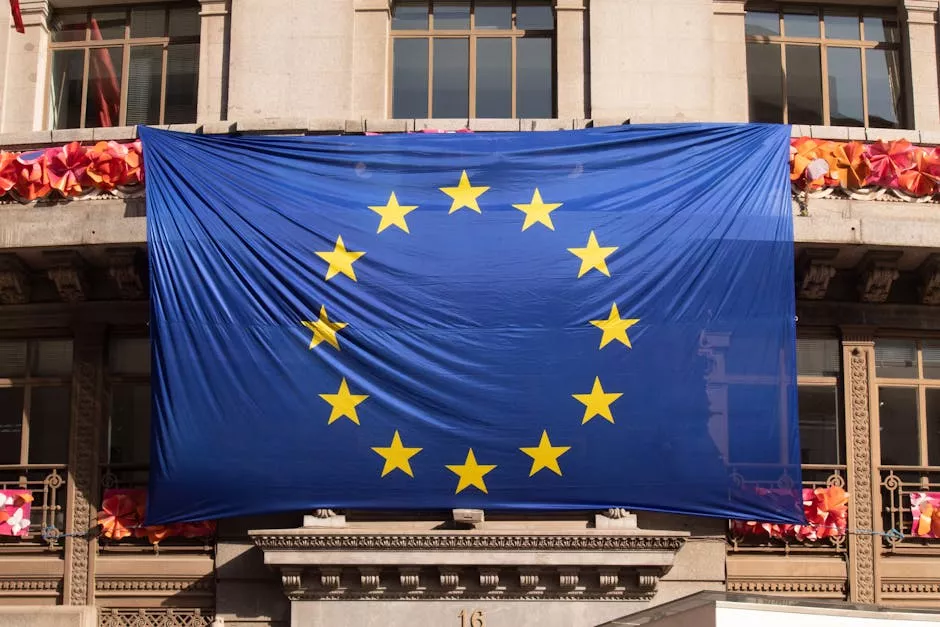
In a significant stride towards strengthening economic ties and addressing global trade challenges, the European Union and Australia have concluded a landmark free trade agreement. This landmark accord, announced by European Commission President Ursula von der Leyen and Australian Prime Minister Anthony Albanese, comes at a time of increasing uncertainty in international trade dynamics. The deal promises to bolster trade between the two regions by reducing tariffs and expanding market access, against a backdrop of volatility triggered by geopolitical tensions, particularly in the Middle East.
Background and Context
The EU and Australia have long been collaborators on the international stage, sharing values such as democracy, human rights, and free markets. However, their economic relationship has often been stifled by tariffs and regulatory barriers. Negotiations for a comprehensive free trade agreement began in 2018, driven by a mutual desire to fortify economic bonds and sustain economic growth in a rapidly changing global landscape.
This agreement arrives as both parties face disruptions in supply chains and energy markets, compounded by the ongoing conflicts in the Middle East. The deal reflects a strategic pivot for diversification and stability, allowing both the EU and Australia to lessen their reliance on more unpredictable regional partners.
Details of the Agreement
The agreement is comprehensive, covering a wide array of sectors from agriculture to technology. Key components include the elimination of most tariffs on goods, enhanced cooperation in technological innovation, and new frameworks for sustainable trade practices. European farmers, in particular, stand to gain significant access to Australian markets, whereas Australian producers will benefit from tariff-free entry into the European market for a variety of goods.
Energy Security and Diversification
Central to this trade agreement is a deliberate effort to diversify energy supplies. Europe’s energy security concerns, exacerbated by disruptions related to the Middle East, make this aspect of the deal particularly critical. With Australia being a major exporter of natural resources, including LNG, this trade partnership could provide the EU with more stable alternatives, reducing its dependency on Middle East oil.
Geopolitical Implications
Geopolitically, this agreement signals a shift towards strengthening alliances among democracies amid a multipolar world order. For the EU, the deal serves as a counterbalance to China's growing economic influence, whereas for Australia, deepening ties with Europe is an opportunity to pivot from its own reliance on China.
The timing of the agreement also coincides with NATO's expansion of its geopolitical focus to include the Indo-Pacific region, highlighting its growing importance in global affairs.
Regional Perspectives
Through the lens of the EU, this agreement is a triumph for its ambitious trade agenda, coming just after recent deals with Vietnam and Japan. For Australia, the agreement not only signifies solidified economic ties with Europe but also represents a step forward in its 'pivot to Europe' strategy, as it seeks to enhance trade relations outside the Asia-Pacific region.
Conclusion
In times of escalating unpredictability in global markets, the EU-Australia trade deal stands out as a beacon of stability and foresight. It emphasizes the importance of strategic partnerships in maneuvering through contemporary global crises, and how such synergies can be leveraged for economic resilience and sustainability.
Why It Matters
The EU-Australia free trade agreement is geopolitically significant for several reasons. It represents a strategic move by both entities to secure their economic futures amidst global disruptions. By strengthening ties and creating alternatives to traditional trade routes heavily reliant on conflicted regions like the Middle East, both the EU and Australia are taking defensive steps against future energy crises and supply chain disruptions. This deal also indicates a broader trend of realigning trade partnerships in response to geopolitical tensions with China and the need for stable energy sources. Moving forward, observers should watch how this agreement influences other potential trade deals and alliances in the Indo-Pacific region and beyond.