Palestinians Vote in Local Elections Amid Political Divide
Local elections in the West Bank and Gaza highlight ongoing political tensions as major factions abstain.
Senior Geopolitical Analyst
The recent local elections held in the occupied West Bank and in one city in the Gaza Strip mark a significant, albeit limited, exercise of democratic choice amidst a complex and fragmented political landscape. These elections occurred against the backdrop of a longstanding occupation and a fiercely divided Palestinian political arena.
Local Context and Background
The Palestinian territories have been under significant geopolitical strain for decades, with the West Bank, Gaza Strip, and East Jerusalem forming the crux of the Israeli-Palestinian conflict. Historically, the region has been subject to a plethora of political dynamics, with the West Bank under partial administrative control of the Palestinian Authority, led by Fatah, while Gaza has been governed by Hamas since 2007.
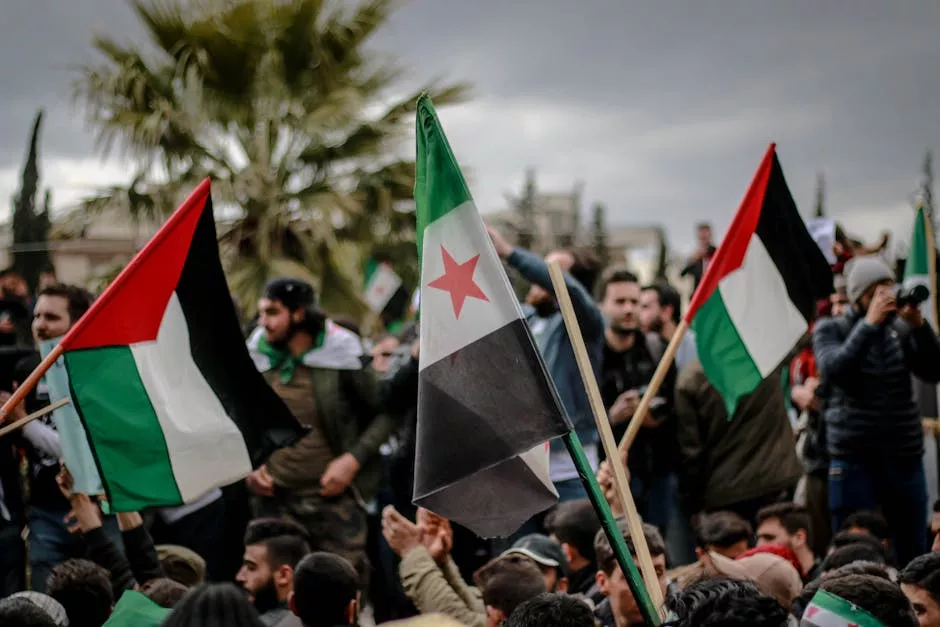
Local elections in the Palestinian territories are often scenes of robust political engagement, but the recent elections have a narrowed scope. While residents were able to cast their votes in some West Bank areas and one city in Gaza, major political factions such as Hamas, Islamic Jihad, and the Popular Front for the Liberation of Palestine opted out. The elections were, therefore, largely seen as a contest among smaller, independent lists and Fatah-aligned candidates.
Significance of the Elections
This electoral process was particularly meaningful in the West Bank, providing citizens with a voice in their local governance amidst the broader Israeli occupation. For many voters, local councils are key to addressing everyday issues such as public services, infrastructure, and civic management.
In Gaza, a single city participated due to restrictions imposed by the governing authorities and logistical challenges exacerbated by periodic conflicts with Israel and an enduring blockade that has crippled the enclave's economy and infrastructure.
Geopolitical Implications
Regionally, these elections are indicative of both the resilience and fragility of Palestinian governance under occupation. They illuminate the enduring rift between Fatah in the West Bank and Hamas in Gaza, complicating prospects for overall Palestinian unity—a crucial factor for any future peace negotiations with Israel.
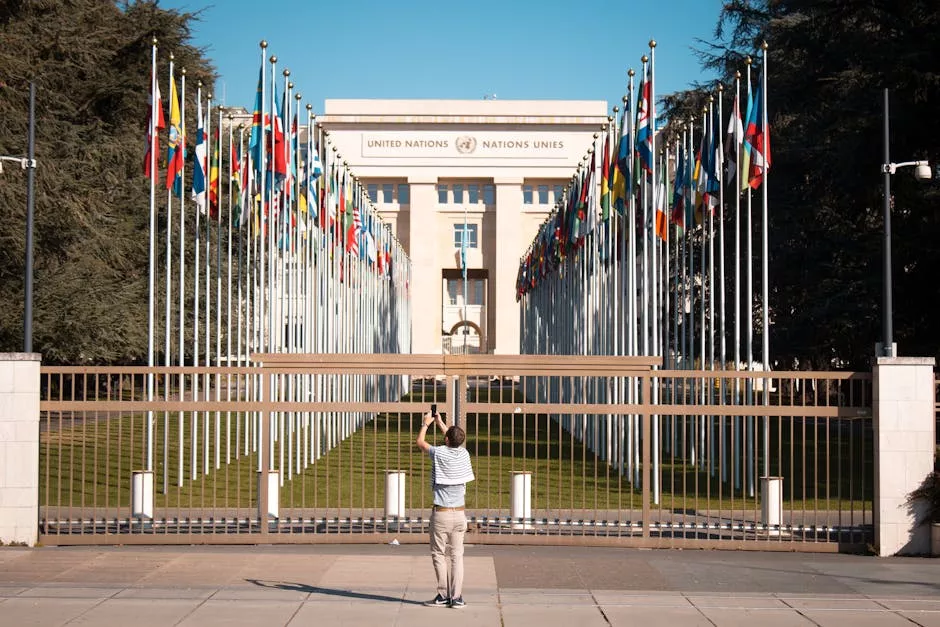
International stakeholders, particularly within the Middle East, and entities like the United Nations have long advocated for Palestinian political reform and unity as steps towards a viable two-state solution. Yet, the abstention of major groups reflects the complexities of achieving consensus amidst entrenched political divides.
Historical Context
Historically, the Palestinian political scene has been defined by its struggle for self-determination and statehood. The Oslo Accords in the 1990s created the current administrative division of the Palestinian territories but failed to resolve core disputes with Israel. The subsequent years saw the Palestinian territories embroiled in internal strife and power struggles, exacerbated by external pressures from neighboring states and international powers.
The absence of a unified Palestinian leadership hampers efforts in addressing critical issues like the humanitarian crisis in Gaza, settler expansion in the West Bank, and stalled peace processes. For the Palestinian populace, these local elections provided a rare opportunity to engage in self-governance within the existing constraints.
Why It Matters
The recent local elections underscore the fragility and complexity of Palestinian political life. They highlight a persistent breakdown in national unity which has far-reaching implications for regional stability and the aspiration for peace in the Middle East. As Fatah and Hamas continue their political rivalry, the broader Palestinian cause—self-determination and statehood—remains stalled.
This divided governance landscape complicates international efforts to broker peace and support Palestinian autonomy. Observers should closely monitor these developments as indicators of the Palestinian leadership's capacity to transcend factional differences—a crucial element for sustainable peace and development in the region.