Pakistan's Economy Teetering as Oil Prices Skyrocket
Rising oil prices exacerbate economic challenges in Pakistan amid Eid and harvest preparations.
Senior Geopolitical Analyst
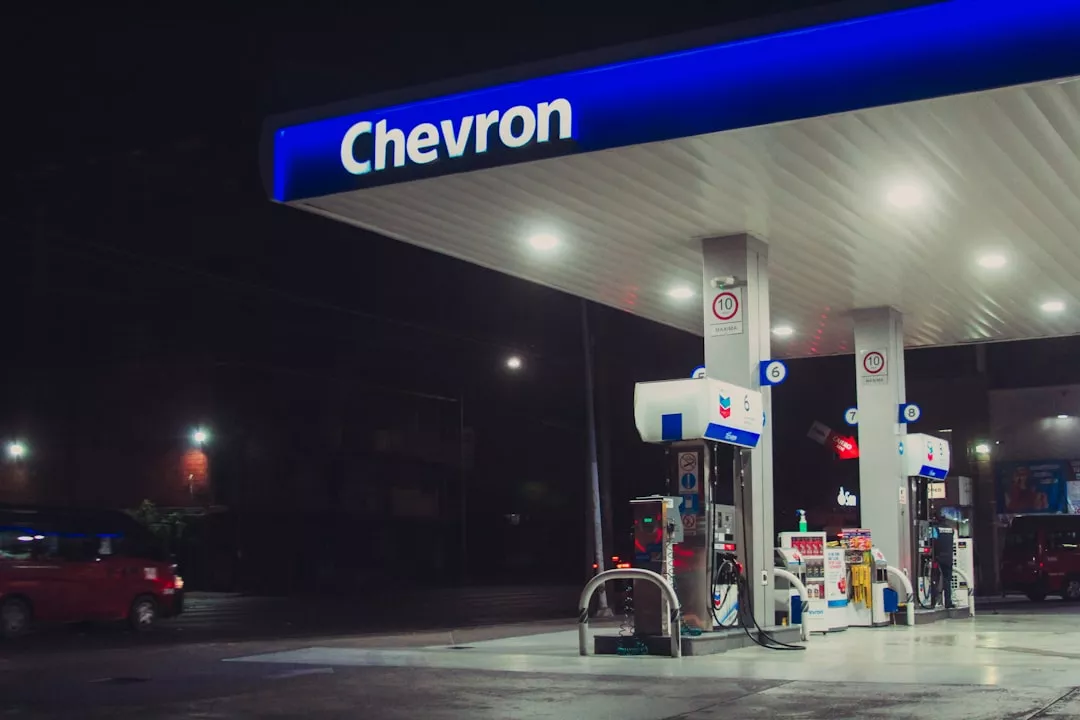
The recent surge in global oil prices has sent shockwaves through Pakistan’s economy, an often precarious and delicate system seemingly perpetually on the brink of crisis. As families across the nation prepare for the celebrations of Eid al-Fitr and farmers gear up for the crucial harvest season, the increased cost of energy is presenting new and formidable challenges.
Historical Dependency and Current Crisis
Pakistan, one of the world's largest importers of oil, relies heavily on supplies from the Persian Gulf. Historically, this dependency has left the nation vulnerable to the geopolitical tensions and price fluctuations that characterize the global oil market. As oil prices rise, so too do the costs of transportation and goods, putting further strain on an economy grappling with inflation and a weakening currency.
Impact on Ordinary Pakistanis
The timing of this price increase could not be worse for families preparing for Eid al-Fitr, a time of celebration that typically involves travel, feasting, and gift-giving. The rising costs of fuel translate into increased transportation expenses and higher prices for goods, constraining the holiday festivities for many. The impact is equally acute for farmers, who depend on affordable fuel for machinery and transportation during the harvest season. With margins already tight, the higher costs threaten profits and food supply chains.
Regional Perspectives
Pakistan’s situation is emblematic of the broader economic distress facing many oil-importing nations in South Asia and beyond. Countries that depend heavily on energy imports are bracing for similar struggles, with governments closely monitoring the situation and exploring diplomatic channels to secure more favorable terms.
Geopolitical Implications
Globally, the ripple effects of this crisis are pronounced. Tensions in the Persian Gulf, where a significant portion of the world's oil supply originates, continue to influence price stability. Geopolitical dynamics in this region, particularly Iran's relationships with neighboring states and the broader international community, remain critical in shaping energy markets. Any escalation could exacerbate the situation for Pakistan and similar economies.
The surge in oil prices is also sparking discussions on energy diversification and sustainability. While Pakistan has invested in alternative energy sources, progress remains slow, and the current crisis underscores the urgent need for a more robust energy strategy that mitigates exposure to market volatility.
The Way Forward
The government is under increasing pressure to address these economic challenges. Initiatives to subsidize fuel prices temporarily or negotiate new trade terms could offer some relief, but longer-term solutions are needed. Policymakers are urged to double down on efforts to diversify energy sources and stabilize the macroeconomic environment to safeguard against future shocks.
Why It Matters
The current oil price surge holds significant geopolitical weight, particularly for economies like Pakistan's that are highly dependent on energy imports. This situation underscores the vulnerability of such nations to global market trends and geopolitical dynamics. The broader implications are profound, as this crisis highlights the critical intersection of energy security with national economic stability. For Pakistan, the consequences are immediate—a potential spike in inflation, increased fiscal deficits, and socio-political stress. Observers should watch for Pakistan’s diplomatic maneuvers to mitigate these impacts and any substantive pivot towards energy diversification, which could influence regional strategies in South Asia and beyond.