Militant Attacks Escalate as JNIM Seizes Major Cities in Mali
JNIM militants intensify Mali conflict, seizing two cities and targeting the defense minister's home in a coordinated assault.
Africa & Global Economy Correspondent

In a significant escalation of ongoing conflicts in Mali, the Al Qaeda-linked militant group Jama’a Nusrat ul-Islam wa al-Muslimin (JNIM) launched a coordinated series of attacks that have shocked the region. As they claimed responsibility for seizing two key cities, their assault marks one of the most intense escalations in recent years.
Mali, a nation long tormented by instability and insurgency, is witnessing another uptick in violence as the JNIM concentrates its efforts on expanding its influence. The group, operating across the Sahel region, has exploited Mali’s political volatility and periods of transition to gain strategic footholds.
Historical Context
This latest offensive is rooted in a complex history of struggle in Mali, which has seen its northern regions become a hotbed of armed insurgency. Since the fall of former Libyan leader Muammar Gaddafi in 2011 and the subsequent scattering of militant fighters across the Sahel, Mali has been engulfed in turmoil. The French-led Operation Serval initially pushed back insurgents in 2013, but the intervention did not suffice to stem the tide of radical militancy.
In the years since, Mali has encountered a labyrinth of ethnic tensions, political coups, and a resurgent jihadi force eager to exploit these vulnerabilities. The latest offensive underscores the persistent threat posed by entrenched insurgencies, capable of launching sophisticated attacks and seizing key territories.
Regional Perspectives
Neighboring countries in West Africa have been closely monitoring the situation, cognizant of the possibility of spillover effects. The instability in Mali reverberates across borders, threatening regional security and undermining collective efforts to stabilize the broader Sahel region.
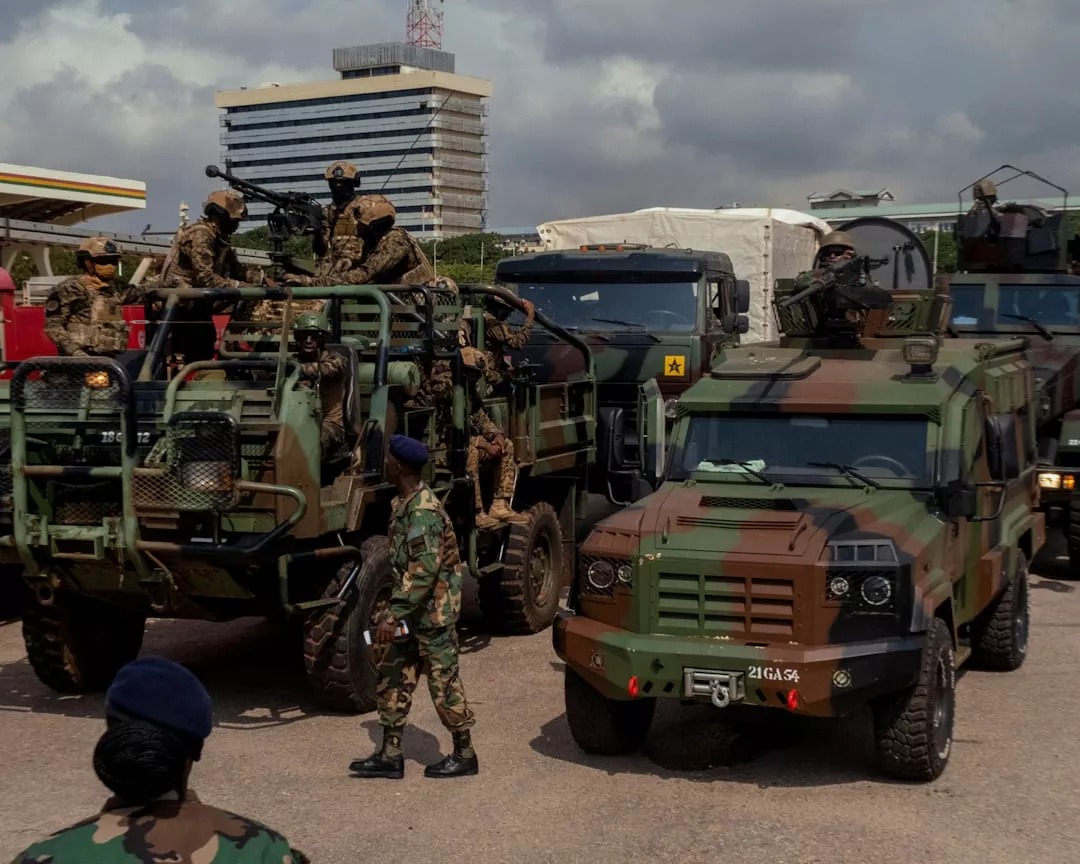
When JNIM militants targeted critical urban areas and infrastructure, including the residence of Mali’s defense minister, it highlighted glaring gaps in national security preparedness. The success of these attacks may embolden similar groups operating across the Sahel, posing a pronounced threat to regional stability and challenging international counterterrorism strategies.
Geopolitical Implications
Globally, the escalation in Mali calls for renewed international focus. The inability of local forces to secure key regions suggests a potential need for increased international military aid and strategic support. For Western powers, this escalation underscores the difficulties of combatting terrorism within Africa’s vast and poorly governed territories.
For the African Union and regional blocs like ECOWAS, a recalibration of strategies might be imperative to address the complexity of the threats in Mali. Collaborations with foreign governments, and perhaps enhanced frameworks for intelligence sharing, might prove crucial in tilting the balance against militant expansions.
The consistent threat of militancy in Mali could also affect global economic interests, especially given the security risks associated with resource extraction and production in West Africa. Enhanced instability raises insurance costs for international operators and complicates investment opportunities in one of the world's poorest regions.
Why It Matters
Why It Matters
The recent attacks in Mali confirm the persistent challenge of regional security in the Sahel and the limits of current international responses. This escalation by JNIM not only imperils Mali's stability but also reaffirms the interconnectedness of the Africana terrorism landscape. The risks of regional contagion could pressure neighboring governments to bolster security domestically, while potentially drawing greater international attention to Africa’s evolving security puzzles. Observers and policymakers must monitor whether this incites a coordinated international military response, or if it prompts regional states to develop more cohesive and independent security frameworks.