Al Qaeda-Linked JNIM Escalates Conflict with Mali Offensive
JNIM militants claim key cities in Mali, escalating long-standing conflict with a bold offensive that highlights regional instability.
Defense & Security Editor
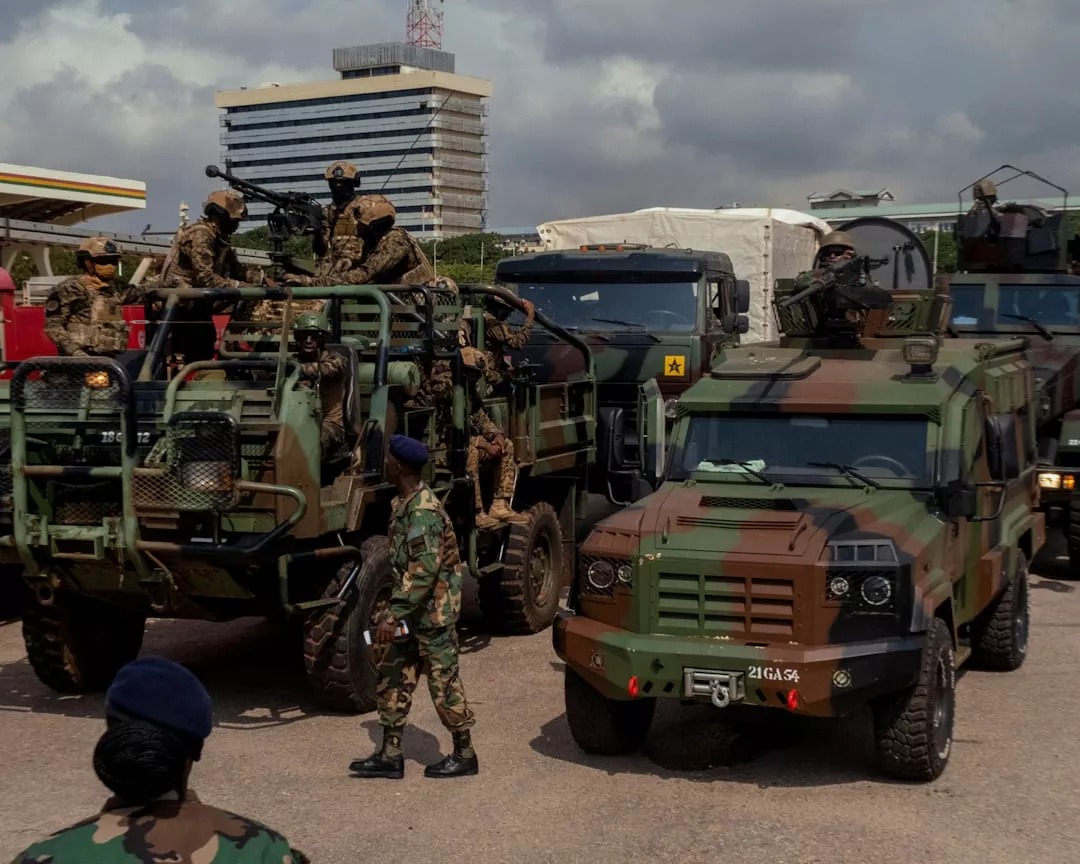
The recent surge in violence in Mali, marked by the bold offensives by the Al Qaeda-linked group Jama'a Nusrat ul-Islam wa al-Muslimin (JNIM), signals a troubling escalation in the Sahel region's endemic instability. In a shocking display of coordination and strength, JNIM militants claimed to have seized control of two pivotal cities, underscoring their growing influence and the continued challenges facing the Malian government and its allies.
Strategic Assault on Key Locations
Reports indicate that JNIM's offensive was meticulously planned, targeting key military and governmental positions including the residence of the Defense Minister, which they reportedly destroyed. This adds a new layer of complexity to JNIM's operations, which have traditionally concentrated on rural skirmishes and smaller scale attacks.
Historical Context
The roots of Mali's struggle with militancy trace back to the aftermath of the Libyan Civil War. The fall of Muammar Gaddafi in 2011 led to a spill-over of fighters and weapons into Mali, exacerbating the long-standing Tuareg rebellion in the north. The 2012 coup further deteriorated the political landscape, creating a vacuum quickly filled by jihadist groups, including JNIM and others.
Over the years, international interventions, notably by France and regional forces, have failed to restore stability. Despite efforts, including the French-led Operation Barkhane and the United Nations Multidimensional Integrated Stabilization Mission in Mali (MINUSMA), armed groups continue to expand their influence.
Regional Implications
Mali’s security situation poses significant risks to West Africa and the broader Sahel region. JNIM's escalation could encourage similar groups in neighboring countries, threatening West African coastal states like Côte d'Ivoire and Senegal. The instability hampers efforts to foster economic development and can accelerate migration pressures as local populations flee violence.
Regionally, the growing footprint of jihadist groups challenges the already precarious political stability in Sahel countries, many of which are plagued by their own governance and socio-economic challenges. Coordination among these jihadist groups, leveraging local grievances, is transforming the Sahel into a formidable security dilemma for Africa and the international community.
Global Geopolitical Repercussions
For international stakeholders, the developments in Mali represent more than a regional humanitarian crisis; they symbolize a broader geopolitical battle against Islamist militancy. Western nations, particularly France and the United States, view the Sahel as a frontline in the global war on terror. The persistent insecurity could complicate foreign diplomatic and economic engagements in the region, inherently impacting global counterterrorism strategies.
Moreover, the escalating conflict could strain resources and attention, leading to overextension of international military commitments in an already volatile global security landscape. The rising tide of extremism in the Sahel, therefore, has implications for global policy frameworks aimed at countering terrorism and promoting stability in conflict-prone regions.
Why It Matters
Why It Matters
The recent offensives in Mali are a stark reminder of the fragility and volatility of the Sahel region. The escalation by JNIM raises the specter of increased recruitment and strengthened alliances with other extremist groups across West Africa, thereby extending the conflict beyond Mali's borders. For policymakers and international organizations, the focus should be on recalibrating strategies to adapt to this evolving threat landscape and enhancing regional cooperation among affected states. The world must pay close attention to these developments not only for security and humanitarian reasons but also to safeguard the future stability of an economically significant and strategically located region that borders several powerful nations.