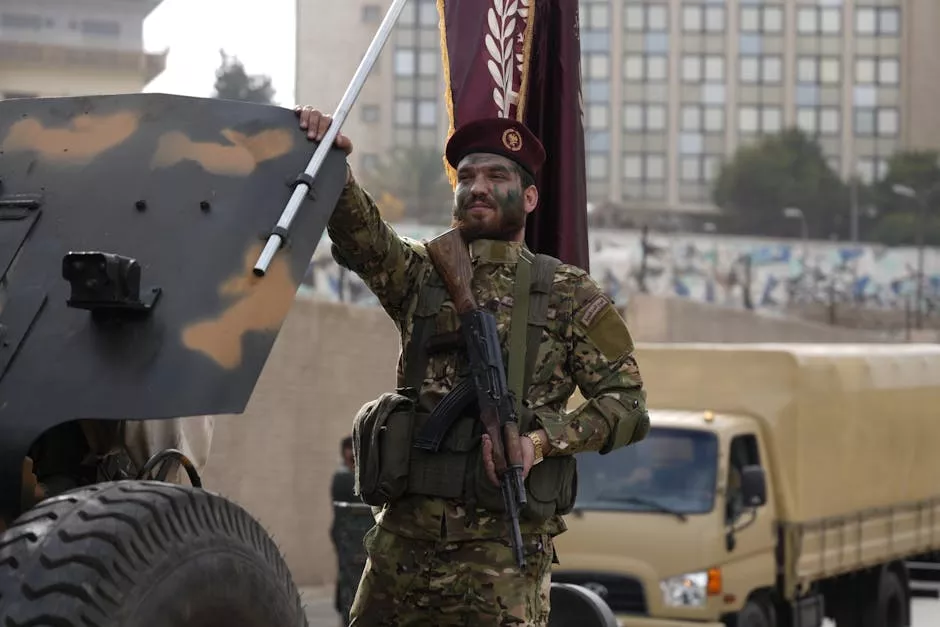
Madagascar's Military Leader Dismisses Government Amid Unrest
Madagascar's Colonel Randrianirina has unexpectedly dismissed the prime minister and Cabinet, signaling potential instability.
International Relations Correspondent
The political landscape in Madagascar has taken a dramatic turn as Colonel Michael Randrianirina, the military leader who assumed power in a coup, has unceremoniously dismissed his prime minister and dissolved the entire Cabinet. This move comes just five months after his leadership started. While the colonel has not provided specific reasons for this overhaul, he assured the public that a new prime minister would be appointed soon.
Background of an Instability
To understand the significance of this event, it is important to revisit Madagascar's complex political history. The island nation, known for its unique biodiversity, has been plagued by political instability since its independence from France in 1960. Military coups and political infighting have been recurrent themes. Colonel Randrianirina's rise to power was marked by promises of reform and stability, a promise now clouded by his recent actions.
Political Climate and Previous Incidents
After seizing power, Randrianirina appointed a government intended to be an interim one aimed at organizing free elections and transitioning back to civilian rule. However, economic challenges, internal dissension within the ranks of the government, and public discontent have continuously undermined these efforts. The lack of transparency about this latest governmental change only adds to the growing uncertainty among the populace.
Regional Perspectives and Reactions
Madagascar's political turmoil is not just a domestic concern. The island is a critical player in the Indian Ocean, a region increasingly significant in global trade routes and geopolitical strategies. Neighboring African countries, particularly those within the Southern African Development Community (SADC), have expressed concern. These nations often fear that instability could lead to refugee crises or affect regional security and economic cooperation.
The African Union and other international observers have also been keeping a close eye on developments. Their calls for a democratic process underline the broader apprehensions about military-led governance in the continent and the precedent it sets.
Potential Geopolitical Implications
Madagascar's political situation can have far-reaching implications. The island's strategic location makes it a valuable asset for global maritime trade. The current instability might impact international investments and affect regional maritime security initiatives. If the political situation worsens, it could lead to disruptions in trade routes, affecting both African and global economies.
Colonel Randrianirina's Next Moves
Colonel Randrianirina’s next steps will be crucial in determining Madagascar’s political future. Appointing a credible prime minister and forming a competent cabinet would be a significant step towards stabilizing the situation. Furthermore, committing to organizing free and fair elections could assuage international concerns and potentially unlock financial and diplomatic support.
Nevertheless, the challenges remain formidable. Political opponents may take advantage of the situation, potentially leading to increased tensions and conflict. Additionally, the socio-economic issues, from poverty to healthcare, continue to loom large over the administration.
Why It Matters
The abrupt dismissal of Madagascar's government under Colonel Randrianirina’s rule signifies more than just internal political strife. Given its strategic importance in the Indian Ocean and its biodiversity, international stakeholders are deeply interested in maintaining stability. The rapid leadership change could affect foreign trade, investments, and diplomatic relations in the region. The world will be watching how Madagascar navigates this political turbulence, with particular attention on how this situation might influence other nations dealing with military-led governments. Observers will be keenly watching for signs of moves towards democracy or for potential escalation into civil unrest.