Tensions Escalate: Iran Targets Jerusalem Amid Middle East Strife
The Middle East conflict deepens as Iran launches an attack on Jerusalem, prompting promises of intensified strikes from the US and Israel.
Senior Geopolitical Analyst
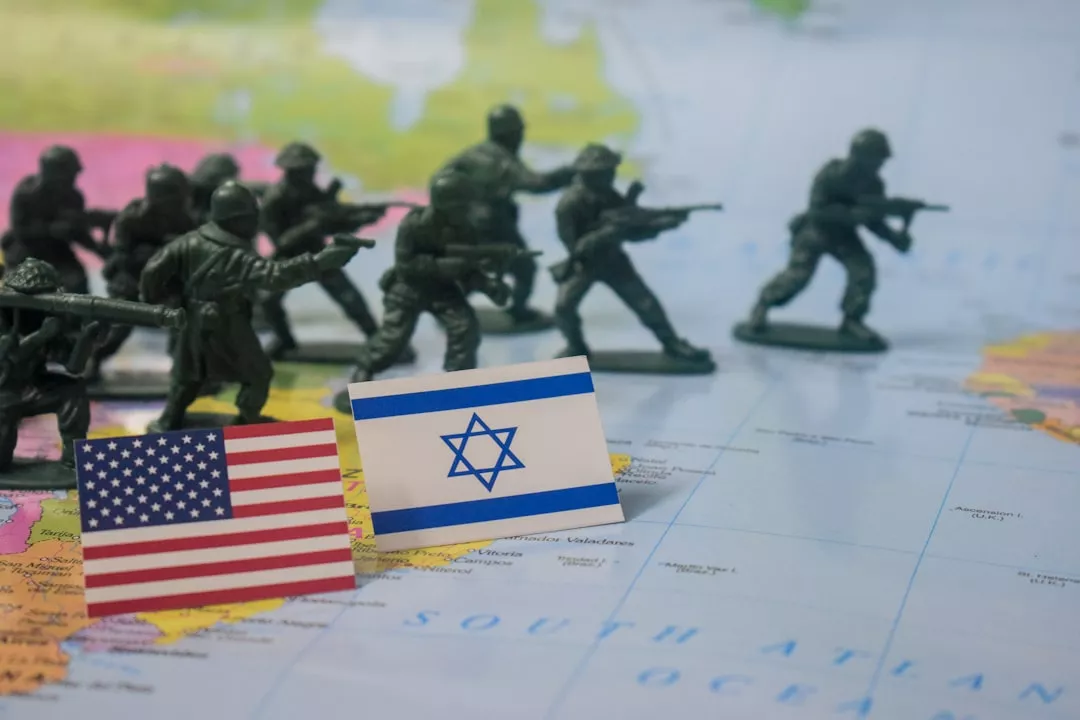
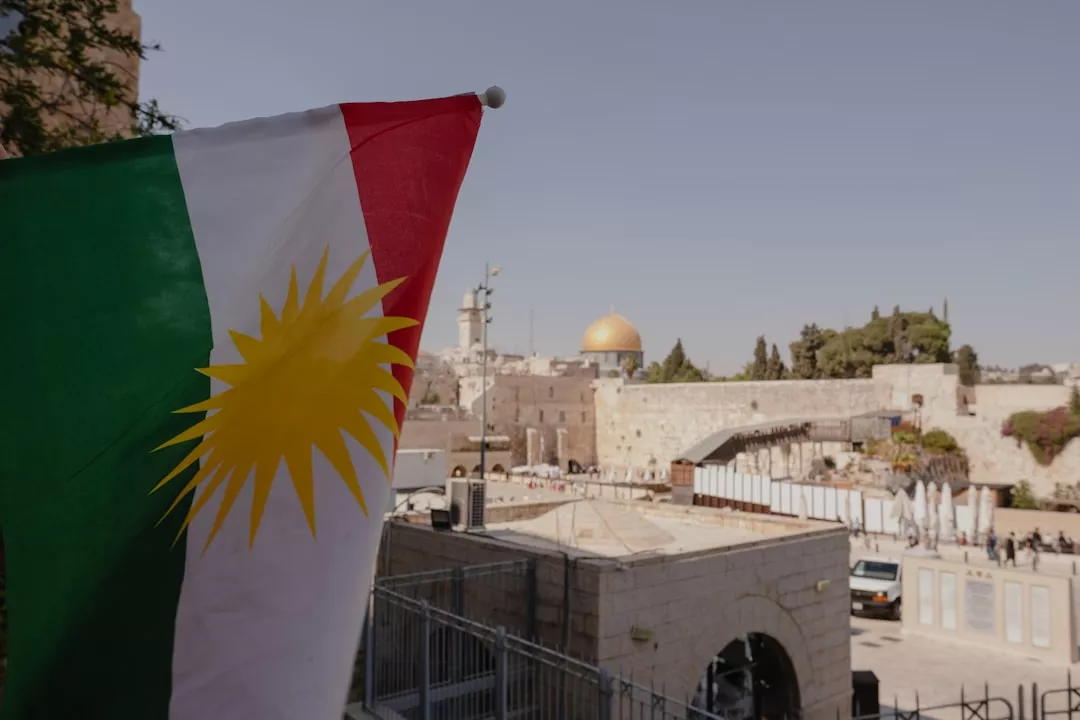
The volatile situation in the Middle East has taken a dramatic turn following the recent targeting of Jerusalem's Old City by an Iranian projectile. This act has heightened tensions between Iran, Israel, and the broader Western allies. Israeli Defence Minister Israel Katz has issued a stern warning that both Israel and the United States are prepared to intensify their military actions against Iran starting from Sunday.
Historical Context
The Middle East has long been an arena for geopolitical strife, rooted in ideological, religious, and territorial disputes. The Israeli-Iranian tensions trace back to the 1979 Iranian Revolution, which saw a radically different regime fostering anti-Israeli sentiments. These tensions have only been exacerbated by Iran's support for groups such as Hezbollah and Palestinian factions opposed to Israel.
The geopolitical landscape in the Middle East is further complicated by religious significance, with Jerusalem being a focal point for Jews, Christians, and Muslims alike. Therefore, any military aggression targeting such a Cithas the potential to spiral into a larger, more destructive conflict.
Regional Impact and Perspectives
Iran's actions in targeting Jerusalem not only provoke Israel but also hold the potential to ignite discontent among Arab states that are under significant pressures to address regional security and religious cohesiveness. Meanwhile, nations sympathetic to Iran, like Syria and factions within Lebanon, might see this as an escalation worth supporting, potentially destabilizing the region further.
Iran's motivations could be linked to domestic pressures. Facing severe economic sanctions imposed by the West, Iran may perceive heightened military posturing as a means of solidifying domestic support by presenting itself as a steadfast opponent of Western and Israeli aggression.
Geopolitical Implications
The intensification of hostilities between Iran, Israel, and the U.S. carries potential ramifications beyond the immediate region. As global powers such as Russia and China maintain alliances in the Middle East, any significant conflict could draw these nations into a larger geopolitical confrontation, similar to past proxy wars seen during the Cold War era.
The implication for Europe and the U.S. is the potential migration crisis as refugees flee the region’s heightened instability. Additionally, global oil markets could see significant fluctuations, leading to economic ramifications worldwide.
International Reactions
The international community is watching closely. The UN Security Council is expected to convene an emergency meeting to address this escalation, though securing a unanimous international approach remains challenging due to varying interests and alliances.
Amid these developments, diplomatic channels are expected to become critically active. Many global leaders will seek to de-escalate the situation. However, the entrenched positions and historical animosities may pose significant barriers to achieving a sustainable resolution.
Why It Matters
Why It Matters
The latest escalation following Iran's targeting of Jerusalem signifies more than a regional conflict—it highlights a potential shift in international relations and strategic alliances. This not only affects the countries directly involved but also includes global players tied to energy dependence, military alliances, and economic partnerships.
Should military engagements intensify, the global community could face widespread disruption, from oil price increases and stock market volatility to humanitarian crises. Observers should watch for responses from major powers like China and Russia, whose stakes in the region might dictate future geopolitical alignments. Meanwhile, diplomatic interventions, particularly those spearheaded by European nations and the UN, could play pivotal roles in either exacerbating or defusing tensions.