Iran's Revolution: History Repeats or Learning Ignored?
Iran's 1979 revolution reshaped the region; today, echoes of that era raise questions about repeating past mistakes.
Middle East & Diplomacy Specialist

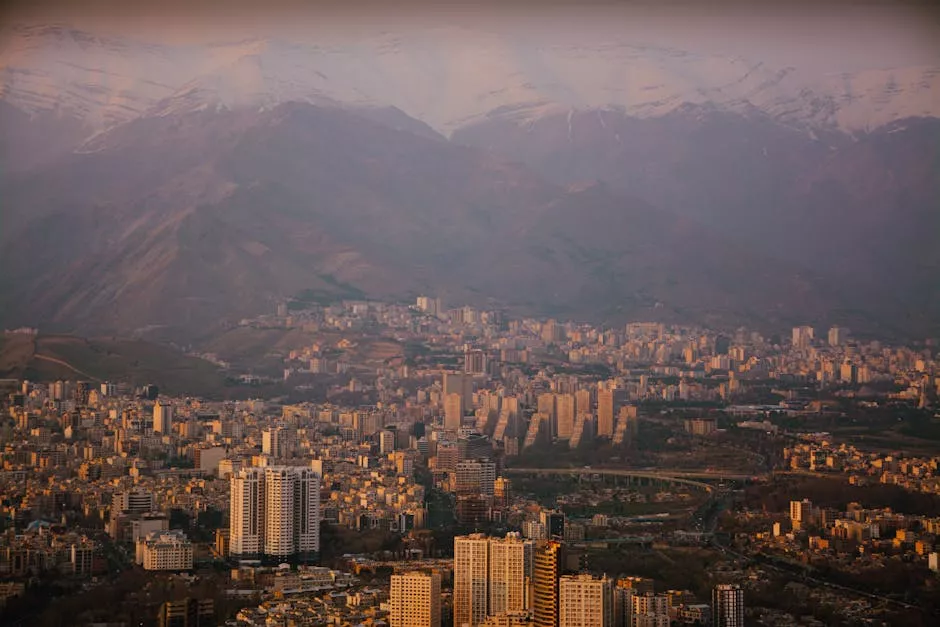
The landscape of Iran, both geographically and politically, is as tumultuous today as it was 47 years ago during the seismic shifts brought about by the 1979 revolution. The revolution, which marked the end of the US-backed Pahlavi dynasty and the birth of an Islamic Republic led by Ayatollah Khomeini, reshaped not only Iran but also the broader Middle Eastern landscape. Paul Taylor, a witness to these historic moments and the first Western journalist to interview Khomeini, reflects on whether Western powers are repeating the same missteps of the past as they navigate current events unfolding in the region.
The 1979 event was not just a local upheaval; it was a fundamental transformation with roots in a long history of socio-political undercurrents. The discontent against Shah Mohammad Reza Pahlavi's rule was fueled by rapid modernization that disregarded cultural and religious norms, leading to widespread dissatisfaction that was capitalized on by various groups, including religious clerics and politically marginalized factions.
The Historical Context of the 1979 Revolution
The revolution is often depicted as an unforeseen occurrence, yet it was the culmination of decades of political discontent, economic challenges, and social changes. The Shah's regime, heavily supported by the United States, was seen as a puppet of Western powers, which ignited nationalistic and religious fervor. Despite efforts at modernization and secularization, the uneven distribution of wealth and the alienation of the clergy and traditional sectors of society spurred revolts that eventually saw the Shah flee and the return of Khomeini as the new face of Iran's future.
Regional and Global Repercussions
The aftermath of the revolution reverberated across the globe, shaking the foundations of regional geopolitics. Iran's new Islamic regime positioned itself in stark opposition to Western influence, fostering alliances with groups that shared its ideological views and challenging the existing political order in the Middle East. This geopolitical realignment has had far-reaching consequences, influencing not only regional alliances but also global energy markets, given Iran's significant oil reserves.
The revolution also set the stage for a complicated relationship between Iran and the West, primarily the United States. The hostage crisis, which saw American diplomats held captive for 444 days, became a painful symbol of this new animosity and highlighted the vastly divergent ideological paths both nations embarked upon.
The Echoes of the Past in Today's Iran
Fast forward to the present, Iran again finds itself at the nexus of internal strife and external pressure. Current protests and uprisings echo past grievances, with economic hardship, governmental restrictions, and foreign interference forming a familiar triad of catalysts for potential unrest. As outside influencers consider options for influencing Iran's trajectory, the lessons of 1979 loom large. The notion of foreign intervention reshaping a nation's political destiny is fraught with historical evidence of its potential pitfalls.
Today, Iran remains a pivotal player in Middle Eastern geopolitics, capable of swaying events through its relationships with various state and non-state actors. The country continues to wield significant influence, evidenced by its contentious nuclear program, its involvement in regional conflicts in Syria and Yemen, and its role within OPEC.
The Need for a Nuanced Approach
Contemporary strategies must recognize the deep-seated historical and cultural factors that drive Iran's internal and external policies. A simplistic push for regime change, reminiscent of past external interventions, disregards the complexity of the Iranian society and its geopolitical role. Instead, a nuanced approach that considers diplomatic engagement and respects Iran's sovereignty might provide a pathway to more stable, mutually beneficial relations.
Why It Matters
The significance of Iran's historical and contemporary dynamics cannot be understated in the broader geopolitical context. The Middle East remains a focal point of global attention, and developments in Iran have implications that extend beyond the region. Understanding the historical background of Iran's revolutionary past offers valuable insights into the present, allowing policymakers and analysts to navigate complex international relationships more effectively. As world powers contemplate their next moves, the potential for repeating foreign interventionist mistakes looms large. Observers should pay attention to the evolving international discourse regarding Iran, the potential shifts within its internal politics, and how these elements could redefine its role on the global stage. The outcome of these dynamics will be crucial in determining not only regional stability but also the international community's efforts towards peace and cooperation.