Iran's Economic Woes Amid Rising War Tensions: A Deep Dive
Amid Tehran's bustling bazaars, economic distress and war threats underscore Iran's uncertain future and regional dynamics.
Middle East & Diplomacy Specialist
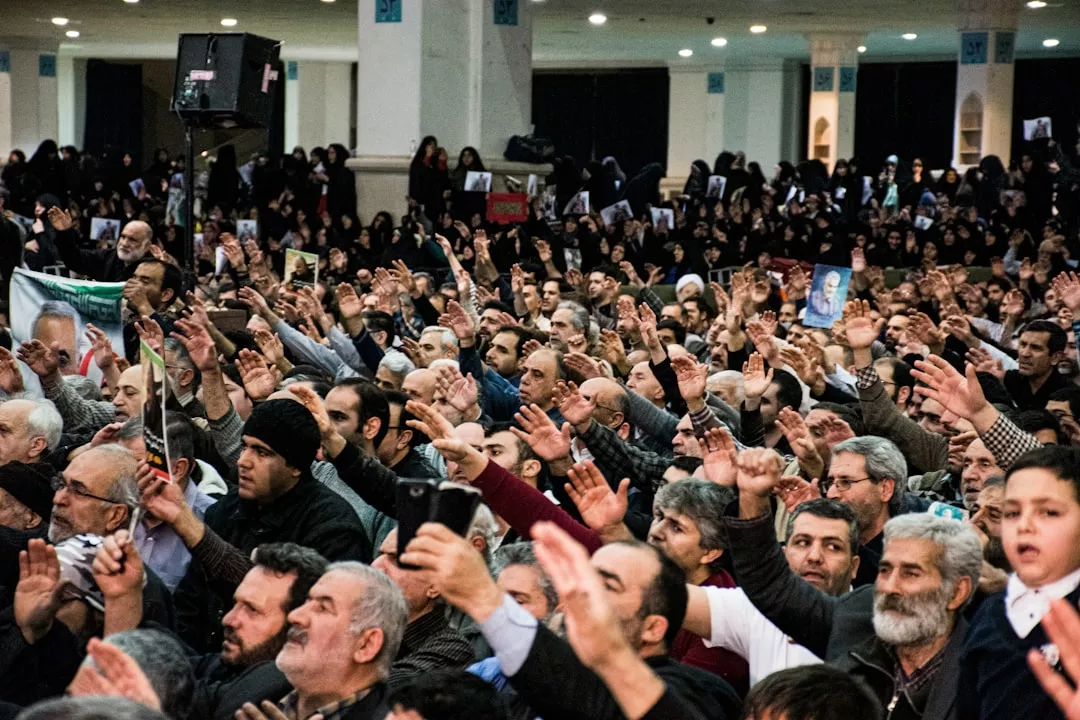
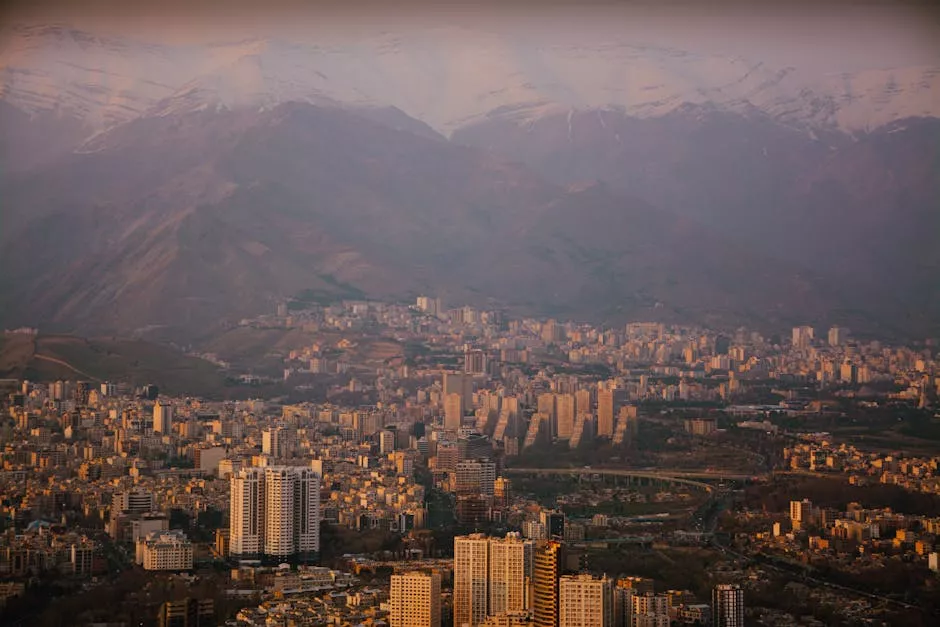
In the heart of Tehran, the bustling shopping streets are alive with the chatter of traders and the clamor of haggling buyers. Yet beneath this vibrant exterior lies a nation grappling with profound economic and geopolitical uncertainties. The current landscape in Iran is marked by debilitating financial constraints and the looming specter of military conflict, a dual predicament that has placed the country at a crossroads.
Economic Challenges
Iran's economy has been on a downward spiral following stringent international sanctions, particularly those imposed by the United States. These sanctions, primarily aimed at curbing Iran's nuclear ambitions, have severely restricted the nation’s oil exports—a lifeline for its economy. Inflation is rampant, and the national currency, the rial, has plummeted in value, making basic goods increasingly unaffordable for the common Iranian citizen.
Shortages in essential supplies are becoming more pronounced, with strategic goods such as medicine and foodstuffs sporadically available. This shortage exacerbates public dissatisfaction and has led to sporadic protests demanding economic relief and political reforms. The Iranian government's attempts to stabilize the economy through subsidies and limited deregulation have so far proved insufficient.
Historical Context
Iran has historically been a pivotal actor in Middle Eastern geopolitics. Post the 1979 Islamic Revolution, the country's political framework shifted drastically, fostering a theocratic regime that continually challenges Western influence in the region. The Iran-Iraq war of the 1980s further entrenched the nation's military-focused policy, with national security being of paramount importance.
Fast forward to the current decade, Iran's strategic maneuvers in regional conflicts in Syria, Yemen, and Iraq demonstrate its intention to project power and secure its borders. These actions, however, have invited counteractions from Gulf neighbors and the broader international community, leading to its current economic isolation.
Military Tensions on the Rise
The possibility of military conflict has become a tangible fear for Iranians amid increasing hostilities with Israel and heightened regional tensions. Reports of sabotaged nuclear facilities and targeted political assassinations have added fuel to the fire, escalating the threat of war. Furthermore, Iran’s ongoing military exercises and missile tests drive speculation about its preparedness and intent to respond to external threats.
Iran's leadership, while publicly resilient, are acutely aware of these challenges. Calls from hardliners to retaliate against perceived aggressors clash with voices advocating for diplomatic engagement to ease tensions, reflecting a nation divided over its future path.
Geopolitical Implications
The situation in Iran carries significant ramifications for global geopolitics. As a major oil producer, tensions in Iran can lead to fluctuating global energy prices, impacting economies worldwide. Moreover, Iran's influence over Shia militias across the Middle East positions it as a cornerstone of regional stability—or instability.
Rising tensions might also recalibrate the alliances within the region. An escalated conflict involving Iran could draw in major global powers, further complicating international diplomacy. It is not just a regional issue but a global conundrum with Iran’s ballistic missile advancements potentially sparking a new arms race in the volatile Middle East.
Why It Matters
Iran's current situation is crucial in understanding the broader Middle Eastern geopolitical landscape. The country's economic fragility limits its capacity to exert influence while simultaneously pushing it towards potential conflict as a means of redirecting domestic discontent. This precarious balancing act is of considerable concern to the international community, particularly as Iran's actions can have a domino effect across global markets and political alliances.
Monitoring developments in Iran is essential for grasping the pulse of Middle Eastern geopolitics. Observers should focus on Iran's domestic policy direction, potential diplomatic engagements with Western countries, and the reaction of regional neighbors such as Saudi Arabia and Israel. Any significant military engagement could act as a catalyst for broader conflict, exacerbating the already tense geopolitical stability in the region.