Iran's Tensions Rise as Police Threaten Protest Crackdown
Iran's police chief warns civilians will be treated as adversaries if protests emerge at foreign instigation, signaling heightened domestic tensions.
Senior Geopolitical Analyst
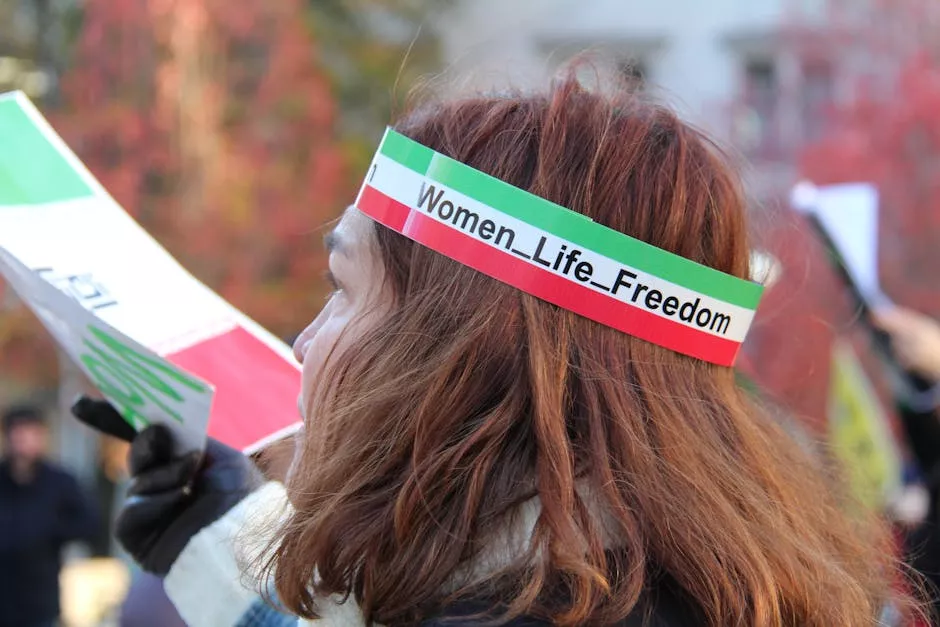
The Iranian security apparatus has once again taken center stage amid growing domestic unrest. On a national broadcast, Iran's police chief issued a stern warning that his forces are prepared to confront any citizen participating in protests deemed to be instigated by foreign influences. This announcement comes in the wake of mounting civil disobedience driven by economic hardships and political grievances.
Escalating Tensions Within Iran
The warning underscores a broader strategy by the Iranian government to crack down on dissent amidst ongoing domestic and international pressures. This approach is not new; Tehran has long viewed large-scale protests as existential threats, often framing them as plots orchestrated by foreign adversaries. This narrative plays into the regime's longstanding narrative that external forces are meddling in its internal affairs, a claim that resonates with a nationalistic population wary of foreign influence.
Historical Context of Internal Dissent
Iran is no stranger to domestic unrest. The Green Movement in 2009 and the more recent protests in 2017 and 2019 have shown the Iranian populace's willingness to challenge the status quo. However, each instance has been met with increasing levels of state brutality, reflecting the regime's determination to maintain its grip on power. The government's recent warning is a continuation of this trend, suggesting a readiness to elevate the use of force to suppress any perceived threats.
Economic challenges have further exacerbated tensions in Iran. U.S. sanctions, reimposed following Washington's withdrawal from the Joint Comprehensive Plan of Action (JCPOA), have strangled the Iranian economy. Coupled with government mismanagement, these sanctions have caused inflation to skyrocket and unemployment rates to spike, fueling public discontent.
Regional Implications
The pressures within Iran do not exist in a vacuum. Regional dynamics complicate the situation, especially considering Iran’s involvement in various Middle Eastern conflicts. Tehran's maintains strategic interests across the region, from supporting factions in the Syrian conflict to engaging with political entities in Iraq and Lebanon. Internal instability could strain these external engagements, creating a ripple effect that might disrupt the balance of power in the Middle East.
International Reactions
Global reactions to Iran's domestic policies are mixed. Western nations, notably the United States under various administrations, have critiqued Tehran's handling of civil disobedience, often calling for human rights considerations. Meanwhile, support from allies, such as Russia and China, remains robust, as they view Iran as a counterbalance to Western influence in the region. The remarks from Iran's police chief could further polarize international opinions and contribute to diplomatic tensions.
As the situation unfolds, the international community closely watches Tehran's next moves. The risk of a further crackdown could lead to condemnation and potential isolation on the global stage, although Iran has historically managed this through strategic alliances and regional partnerships.
Why It Matters
Why It Matters: The recent warning from Iran's police chief is not merely a domestic issue, but a pivotal moment with implications that extend far beyond its borders. By positioning potential protests as actions instigated by foreign enemies, Iran has reinforced a narrative of external meddling, which could justify severe crackdowns on its population. Such actions may exacerbate tensions across the Middle East, destabilizing an already volatile region.
Globally, this development could influence international diplomacy, depending on how vigorously Western powers respond to potential human rights violations. It also tests the resolve of Iran's allies, as continued stability in Tehran is crucial to maintaining their influence in the region. Observers should pay attention to potential protest triggers, the regime's response, and international reactions to gauge the unfolding geopolitical saga.