Iran Faces Hurdles in Pursuing Regional Ambitions Amid Challenges
Iran's pursuit of regional dominance is hampered by military limitations, economic constraints, and internal instability.
International Relations Correspondent

Iran, a pivotal player in the Middle East’s geopolitical landscape, finds itself embroiled in a complex web of challenges that question its regional aspirations. As it navigates through the intricacies of military capabilities, economic sanctions, and domestic unrest, Tehran’s position is increasingly precarious.
Historical Context
Iran’s strategic ambitions have long been rooted in its historical quest for regional influence, dating back to the Persian Empire's days. In recent decades, post-revolutionary Iran sought to expand its sphere of influence through ideological connections, military proxies, and strategic alliances across the Middle East. From Lebanon's Hezbollah to the Houthis in Yemen, Iran's network of alliances has been a testament to its strategic foresight.
Military Constraints
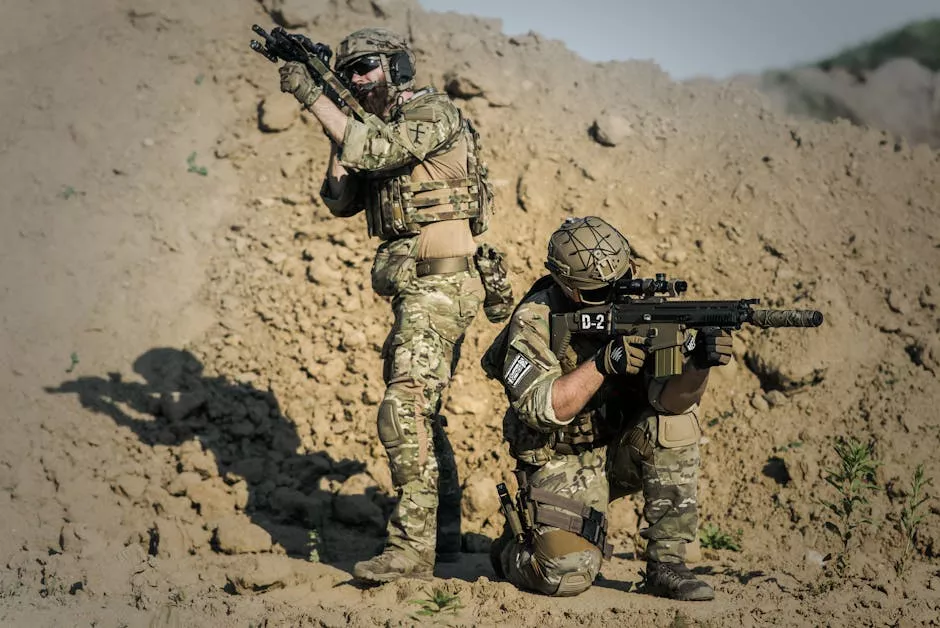
However, Iran's military capabilities have faced an array of challenges. Despite its expansive missile program and strategic use of asymmetric warfare, Iran's conventional military strength remains limited compared to rival powers such as Saudi Arabia or Israel. With substantial investments required to modernize its equipment and technology, Iran's military power projection faces significant roadblocks.
The frequent tensions in the Strait of Hormuz, a critical chokepoint for global oil transport, illustrate Iran’s reliance on non-conventional military tactics to exert pressure on international actors. Yet, reliance on such strategies alone cannot sustain long-term influence, particularly as adversaries bolster their defenses and technological superiority.
Economic Challenges
On the economic front, Iran remains under crippling international sanctions, mainly imposed by the United States. These sanctions have strangled Iran's oil exports, leading to a dire economic situation compounded by internal corruption and mismanagement. Amidst an economy teetering on the edge, Iran is forced to tread carefully, balancing between survival and strategic adventurism.
Efforts to revive the Joint Comprehensive Plan of Action (JCPOA) face significant hurdles, as ongoing negotiations with Western countries remain fraught with distrust and strategic dissent. These economic sanctions continue to fuel domestic grievances, prompting questions about the sustainability of Iran's economic model.
Internal Instability
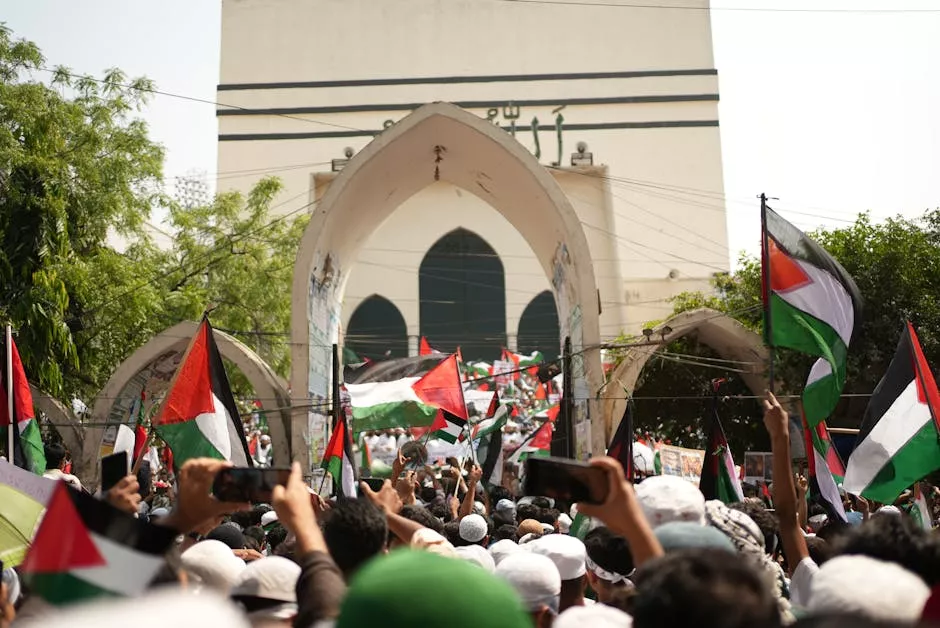
Iran's internal fragility further exacerbates these challenges. Ethnic tensions, political activism, and youth unemployment contribute to social unrest. The government’s heavy-handed response to dissent only deepens societal divides, limiting the regime's capacity to project power outwardly. Recent protests reflect an underlying discontentment with the status quo, signaling that internal stability is just as crucial to Iran’s regional aspirations as its foreign policy maneuvers.
Geopolitical Implications
The ramifications of Iran's internal and external constraints are profound. Regionally, Iran's inability to fully assert its influence could shift the balance of power, potentially benefiting its rivals. In Iraq and Syria, Iran’s waning influence might embolden other actors, including the United States, Turkey, and Russia, to strengthen their foothold.
Globally, Iran’s predicament represents a critical juncture in the Middle East's future. The international community, particularly the West, must consider how to engage with Iran to avert further destabilization while still addressing legitimate security concerns.
Why It Matters
Why It Matters
Iran's current trajectory is emblematic of the larger power dynamics within the Middle East. As Tehran struggles with both internal and external pressures, its capacity to influence regional events is waning. This shift could lead to a vacuum, possibly escalating tensions as neighboring states and global powers vie for influence. Additionally, Iran's economic challenges serve as a stark reminder of the broader impact of international sanctions. Moving forward, regional stability will likely hinge on diplomatic engagements that address underlying economic and security concerns. Observers should watch for shifts in regional alliances and any changes in Iran's domestic policies that could influence its geopolitical stance.