EU Debates Windfall Tax Amid Oil Price Crisis Pressure
As oil prices soar, Germany and four other EU nations push for a windfall tax on energy companies. The proposal is complex but aims to stabilize markets.
Africa & Global Economy Correspondent
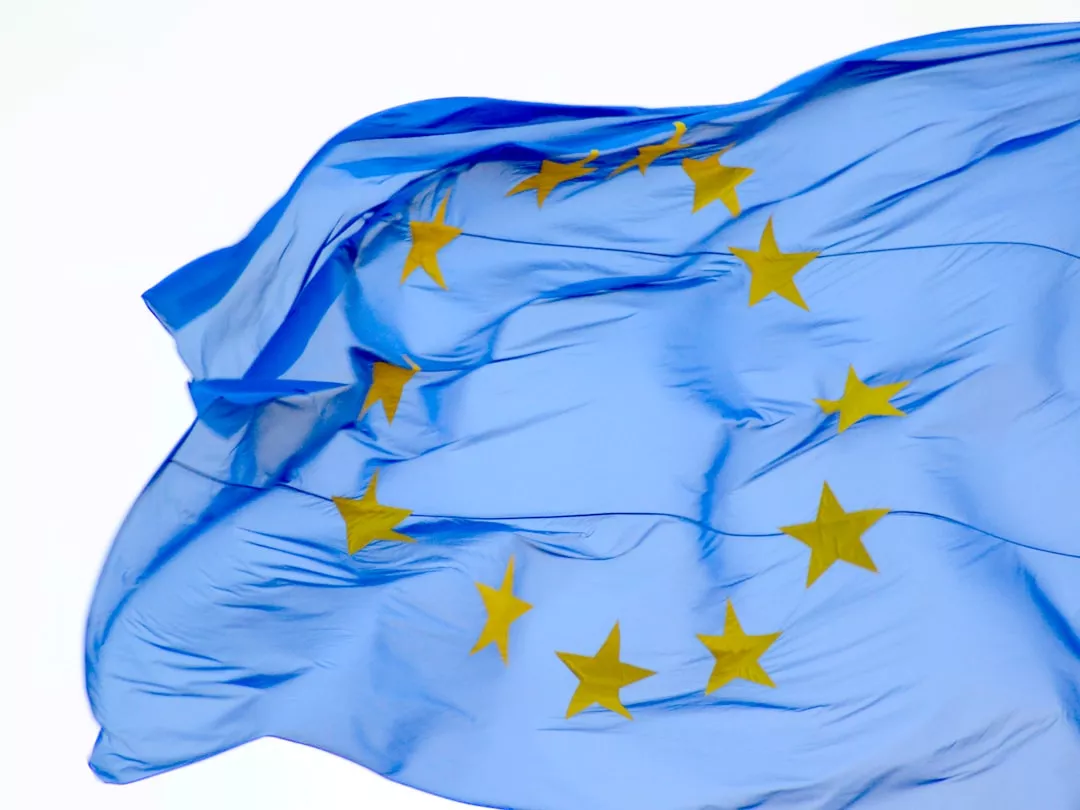
The European Union stands at a crossroads as Germany, joined by four other member states, proposes the implementation of a windfall tax on energy companies benefiting from the unprecedented oil price surge. This initiative comes at a time when soaring energy costs are straining economies and inflaming public discontent across the region.
Historical Context and Economic Implications
The concept of a windfall tax is not new. Historically, such taxes have been employed in various sectors globally to capture extraordinary profits arising from specific circumstances—profits that are not the result of the companies' deliberate strategic and operational efforts. The current proposal seeks to address this in the context of the oil and gas industry, where profits have ballooned due to geopolitical tensions, including the ongoing conflict in Ukraine and supply chain disruptions caused by the COVID-19 pandemic.
The intention behind the tax is to redistribute wealth gained under these unconventional circumstances to support social welfare programs and relieve financial burdens on consumers. However, the proposal's execution is fraught with complexity.
Complexities and Regional Perspectives
Implementing a windfall tax across the EU presents numerous challenges. Energy markets are intrinsically global, and thus EU-wide legislation must carefully navigate international trade laws and existing treaties. Furthermore, the varying energy dependencies and economic landscapes of member states complicate the establishment of a one-size-fits-all policy.
Germany, a leading advocate for this measure, argues that the tax would enable a fairer redistribution of wealth, especially critical as European nations brace for winter amidst unpredictable gas supplies from Russia. On the flip side, other nations within the bloc, potentially those with limited domestic energy resources, may fear weakening competitive advantages arising from higher operating costs.
Geopolitical Considerations
The debate over the windfall tax touches upon broader geopolitical dynamics. High energy costs have become a leverage point in EU diplomacy, affecting relations with energy-rich nations outside the bloc like Russia and OPEC members. The proposed tax could provoke retaliatory economic measures, thereby complicating diplomatic relations and energy negotiations.
Moreover, Europe's reliance on external energy sources underscores the urgency for cohesive policy-making that aligns with its broader goals of achieving energy sovereignty and transitioning towards renewable energy sources.
Potential Consequences and Moving Forward
Should the EU move forward with the windfall tax, it may set a precedent for how nations address corporate profits in the face of extraordinary market conditions. This could influence global practices, prompting other regions grappling with similar issues to consider their own versions of such a tax.
Policy experts stress the importance of balancing economic recovery with fair tax systems, particularly as nations keep an eye on the political stability that hinges on public approval during economic hardship. The outcome of this political maneuvering could significantly shape the EU's future energy policies and its standing on the global stage.
Why It Matters
The proposal for an EU-wide windfall tax on energy firms is a pivotal moment with substantial geopolitical implications. As energy security becomes increasingly intertwined with political and economic stability, the EU's decision could influence global policy standards. If enacted, the tax may spark similar legislative actions worldwide, reflecting a shift toward concerted efforts to manage global profit imbalances. Furthermore, the measure could strain EU relations with major energy-exporting countries, potentially reshaping the global energy landscape. As the EU navigates this proposal, stakeholders must watch for broader impacts on international trade relations and energy markets.