Ukraine's Drone Commander Targets Russian Oil and Troops
Ukrainian Commander Robert Brovdi leads a pivotal unit targeting Russian military and economic assets, bolstering battlefield successes.
Senior Geopolitical Analyst
Introduction
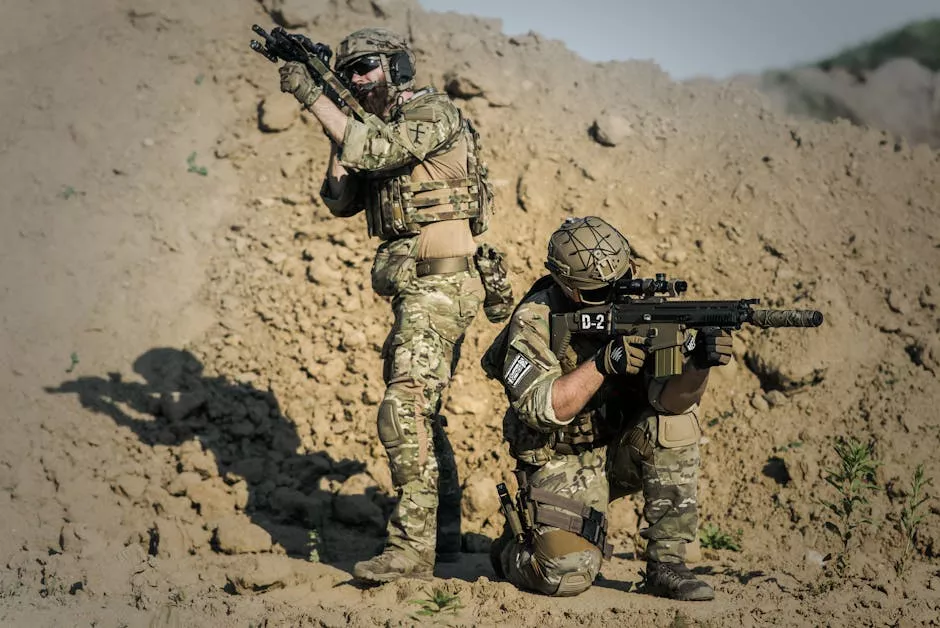
In the ongoing conflict between Ukraine and Russia, technological advancements have continually reshaped battlefield dynamics. Among these, the use of drones has emerged as a critical factor. Commander Robert Brovdi, a key figure in this aerial warfare, has been instrumental in targeting Russian military assets and infrastructure. In a rare interview with the BBC, he disclosed how his unit is responsible for destroying a third of their battlefield targets, highlighting their strategic importance in Ukraine's defensive operations.
The Tactical Edge
Commander Brovdi's unit has strategically focused on high-value targets, including Russian oil depots and troop formations. The ability to effectively deploy drones has provided Ukraine with a tactical edge, disrupting Russian supply lines and morale. Brovdi emphasized that their efforts aim not only at immediate military success but also at crippling the longer-term operational capabilities of the Russian military.
Historical Context
The conflict between Ukraine and Russia has deep roots, tracing back to the annexation of Crimea in 2014 and subsequent tensions in the Donbas region. This military standoff underscores a long-standing geopolitical struggle between Ukraine's pro-European orientation and Russia's sphere of influence. The use of drones signifies a shift from traditional warfare to more technologically-driven approaches, indicative of global military trends.
The Drone Warfare Revolution
Drones have opened up new avenues for asymmetric warfare, allowing smaller nations to challenge larger adversaries effectively. Ukraine's reliance on these technologies reflects broader trends in modern warfare. By deploying drones for surveillance and targeted strikes, Ukraine aims to offset Russia's numerical and technological superiority.
Regional Perspectives
The conflict's impact extends beyond Ukraine, influencing regional and global security dynamics. Europe closely watches these developments, aware that the instability poses risks of broader conflict and energy supply disruptions. NATO members, in particular, are drawn into this geopolitical tension, balancing defense commitments with diplomatic engagements with Russia.
Geopolitical Implications
The effectiveness of Ukraine's drone operations under Brovdi's command could shift military doctrines globally. Nations are re-evaluating their defense strategies, considering how to integrate similar capabilities into their arsenals. This development emphasizes the increasing role of technology in modern conflicts, potentially reshaping future battlegrounds.
A Look Forward
As the conflict continues, the strategic targeting of Russian assets holds significant consequences. Successful strikes not only diminish Russian morale but also signal Ukraine's resilience and capability to defend its sovereignty. The international community remains engaged, providing support while navigating complex diplomatic landscapes. Commander Brovdi and his unit's actions are under global scrutiny, as their outcomes could affect international policy and military strategies.
Why It Matters
Why It Matters
The use of drones in Ukraine's defense strategy underlines a pivotal shift in modern warfare tactics. It demonstrates how smaller states can utilize technology to counteract larger adversaries, potentially altering global military balances. These developments raise critical questions about future conflict scenarios, including the implications for international arms treaties and military spending. Critically, Brovdi's unit symbolizes national resilience, influencing regional alliances and prompting global strategic reassessments. Observers should watch for changes in military tactics worldwide, recognizing that these innovations, while effective in conflict, also introduce new layers of geopolitical complexity.