The Impact of Jürgen Habermas on Modern Democratic Thought
Exploring how Jürgen Habermas's philosophy provides hope for democracy amidst rising global illiberalism.
Defense & Security Editor
The Enduring Legacy of Jürgen Habermas
The passing of Jürgen Habermas, one of the most influential philosophers of the 20th century, marks a significant moment in the ongoing struggle for democratic ideals across the globe. Often described as 'the last European,' Habermas dedicated his life to championing the principles of democracy and public discourse, offering philosophical grounding that has reached across political landscapes.
A Post-War Intellectual
Born during the tumultuous years leading to World War II, Habermas was initially a member of the Hitler Youth. This early involvement eventually fueled his lifelong quest for understanding and advocating democratic values, as he became one of Germany’s foremost thinkers arguing against the perils of dogmatic rule and ideological extremism.
His philosophies were deeply influenced by the catastrophic consequences of war, which he witnessed firsthand. Habermas believed in rebuilding societies not just physically but ethically, utilizing human rationality and communication as pillars for a healthier democracy.
Philosophical Contributions
One of Habermas’s most enduring concepts is the public sphere, where he argued for a domain of social life where public opinion can be formed—an idea deeply rooted in free will and collective discourse. His theory has been pivotal in understanding how modern societies should approach public interaction and policy formulation, emphasizing the need for inclusive and rational debates free from authoritarian constraints.
Challenges in Today's Political Climate
In today’s complex geopolitical environment, characterized by the rise of demagogues and the erosion of democratic norms, the teachings of Habermas resonate more than ever. His work offers philosophical sustenance at a time when authoritarian tendencies look to subvert democratic institutions and values.
With nationalism and authoritarianism rising across Europe and beyond, Habermas’s death feels particularly poignant. Countries such as France and Germany face ideological splits, and his vision of a united Europe imbued with democratic ideals faces continuous challenges.
Influence on the European Union
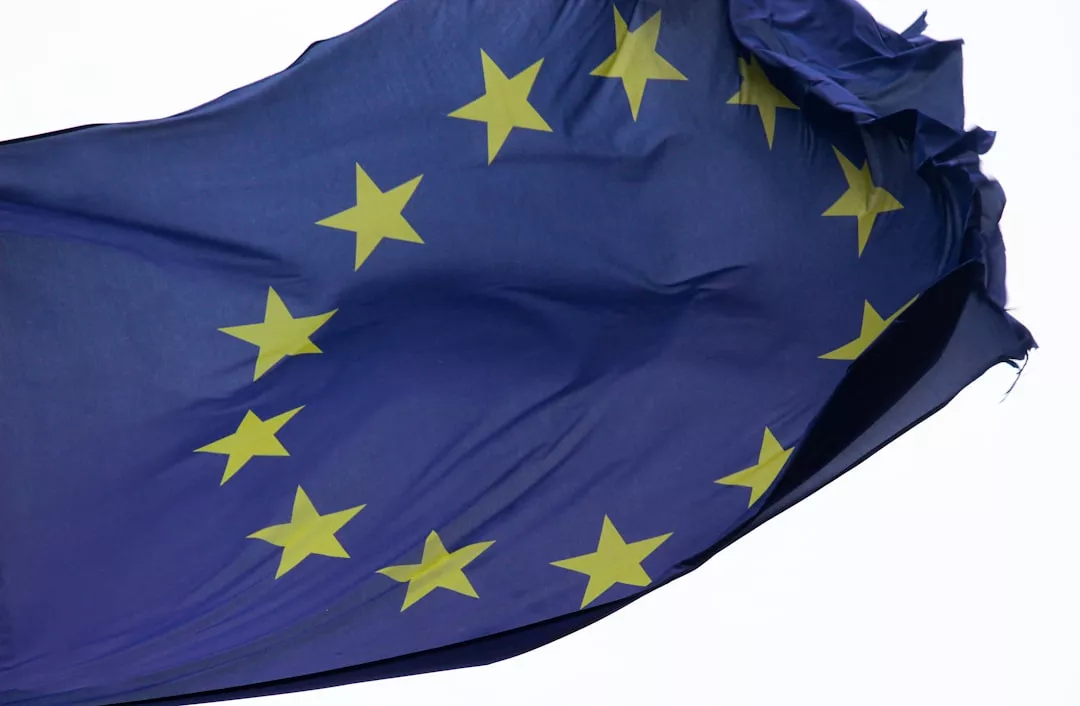
Habermas remained a critical, yet hopeful, advocate for the European Union. He believed that despite its flaws, the EU represented a noble attempt at transcending national interests for broader, shared values. His perspectives encouraged ongoing discourse about the importance of a united Europe, even as political discord threatens its fabric.
Legacy and Future
As the world reflects on Habermas’s profound influence upon his passing, the question remains: How do we continue implementing his approach to public communication and democracy in an era defined by big tech and misinformation?
The answer may lie in reinforcing democratic values that prioritize transparency, free speech, and reasoned debate, all foundational aspects of Habermas’s philosophy.
Geopolitical Implications
The challenges Habermas addressed are by no means limited to Europe. Across continents, nations face similar struggles with populism, misinformation, and authoritarianism, all of which threaten the democratic fabric he sought to protect. His work, thus, provides a blueprint for action not just within Europe but globally. By promoting dialogue and mutual understanding, policymakers can combat the adverse effects of authoritarian regimes and divisive rhetoric.
Why It Matters
Why It Matters
The passing of Jürgen Habermas removes a powerful voice advocating for democratic discourse at a time when global politics often prizes power over morality. The philosophical frameworks he developed are crucial for those aiming to uphold democratic values amidst rising authoritarian trends and misinformation. Going forward, countries and their citizens should heed Habermas’s call for reasoned public debate as a cornerstone of political engagement, ensuring that democracy is not undermined by isolationist or divisive forces.
Observing current geopolitical developments, especially in regions where authoritarianism is gaining ground, provides critical insight into the health of global democracies. Policymakers and citizens alike must be vigilant in cross-border collaboration and uphold the values Habermas spent his life advocating for.