Hungary PM-Elect Seeks to Revitalize EU Relations in Brussels Meeting
Hungary's PM-elect Peter Magyar seeks €10 billion EU funds in pre-office talks with von der Leyen, aiming for post-Orban EU reset.
International Relations Correspondent
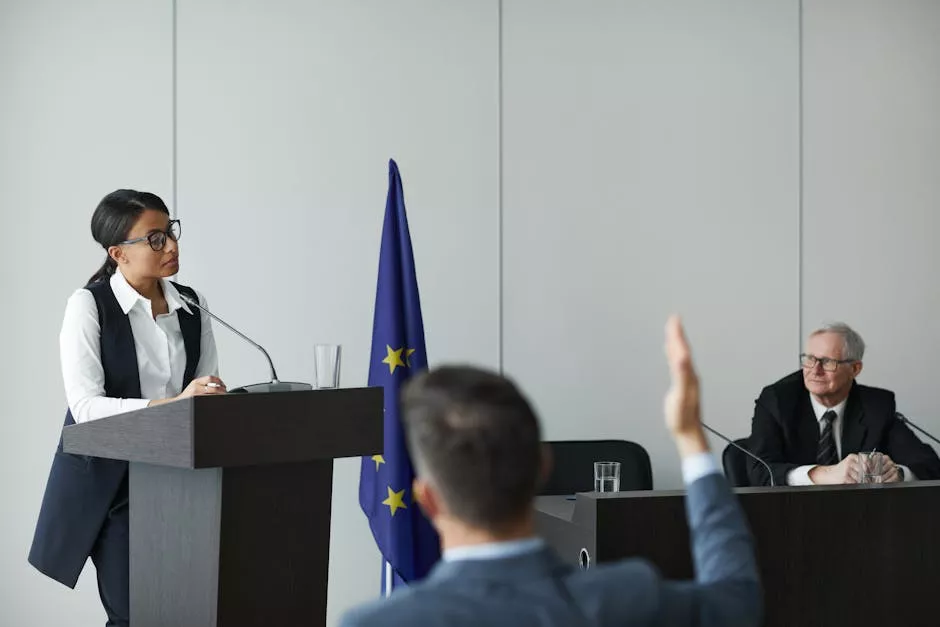
The political landscape within the European Union (EU) is set to witness a significant shift as Hungary's Prime Minister-elect Peter Magyar engages in pivotal discussions with EU Commission President Ursula von der Leyen in Brussels. This meeting comes against the backdrop of hopes to rejuvenate Hungary’s strained relations with the EU and unlock €10 billion in crucial funding before an impending August deadline. Magyar, who steps into office following Viktor Orban's controversial tenure, is positioning himself as a leader committed to bridging gaps and fostering cooperation.
Historical Context
The relationship between Hungary and the EU has been tumultuous over the past years, primarily due to Viktor Orban's policies that frequently clashed with EU standards, particularly regarding democratic values and rule of law. Orban’s government has been criticized for undermining judicial independence and press freedoms, leading to several infringement procedures by the EU. These tensions culminated in the EU withholding substantial financial aid, a move meant to press Hungary towards adherence to EU norms.
Peter Magyar represents a departure from Orban’s approach. A long-time member of Hungary’s centrist party, Magyar campaigns on a promise to restore amicable relations with Brussels, emphasizing a commitment to shared European values. His selection as Prime Minister has been met with cautious optimism across the EU, presenting a unique opportunity for a diplomatic reset.
Regional Perspectives
Central and Eastern European countries are closely monitoring Magyar's Brussels visit, as it may set a precedent for how reformist leaders can influence EU dynamics. Countries like Poland and the Czech Republic, which have similarly faced EU scrutiny, may find a potential ally in Magyar, should he succeed in fostering a more cooperative Hungary-EU relationship. Magyar’s diplomatic overtures may encourage a broader regional reevaluation of policies aligning with EU principles.
Geopolitical Implications
On a broader scale, Magyar's dialogue with von der Leyen holds implications beyond financial immediacies. EU cohesion is paramount, especially as Europe navigates post-pandemic recovery and varying security concerns, with the ongoing situation in Ukraine and tensions involving Russia highlighting the need for a unified front. By securing funding and demonstrating commitment to EU values, Magyar’s government can strengthen European unity and stabilize regional politics.
Looking Forward
The outcome of the Brussels discussions will be pivotal not only for Hungary but for the EU as a collective entity. Securing the €10 billion fund would enable Hungary to bolster its economy, potentially rejuvenating areas stalled due to previous funding freezes. Moreover, a successful meeting could mark the beginning of Hungary's active participation in shaping EU policies, contributing positively to its legislative and diplomatic landscape.
However, challenges remain. Magyar will need to devise strategies to address existing domestic issues in alignment with EU expectations, all while balancing national interests. The international community will be watching closely, observing whether Magyar can indeed orchestrate a successful reorientation of Hungary’s role within the EU.
Why It Matters
The high-stakes meeting between Peter Magyar and Ursula von der Leyen in Brussels carries significant weight for both Hungary and the European Union at large. For Hungary, unlocking the €10 billion is more than just an economic boon; it symbolizes a potential paradigm shift from the tumultuous Orban era to a more collaborative future. It could serve as a blueprint for other EU nations grappling with similar challenges, underscoring the benefits of compliance and cooperative diplomacy.
From a geopolitical standpoint, Hungary's renewed engagement with the EU may enhance regional stability, contributing to a more united stance in facing continental threats. This meeting can test the EU's ability to integrate former outliers back into mainstream polity, making it a touchstone for future relations and negotiations. As Magyar navigates this diplomatic endeavor, stakeholders should keenly observe whether his approach will inspire broader systemic reforms within the EU, potentially recalibrating intra-European relationships for better alignment with EU's overarching goals and values.