Global Tensions Soar: Oil Prices Surge Amid US-Iran Conflict
Oil prices spike on global markets after US-Iran conflict escalates, raising concerns about energy security and regional stability.
Senior Geopolitical Analyst
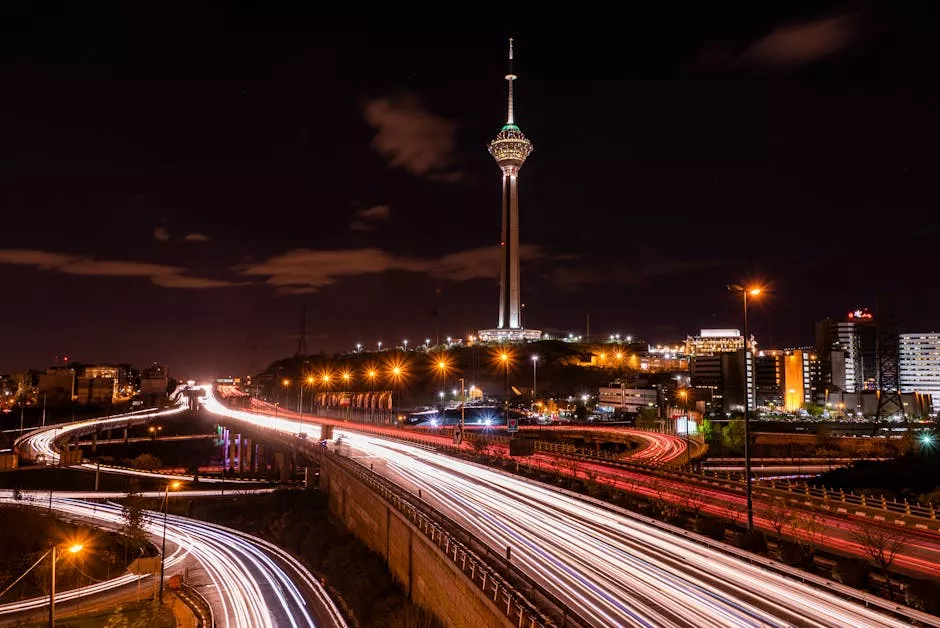
Global oil markets were rattled early this week as tensions in the Middle East erupted following an intense military engagement involving the United States and Iran. In a consequential move, the United States launched a strategic strike on Iran’s Kharg Island oil hub, a critical node in the nation’s oil export infrastructure, claiming to have 'totally demolished' the facility. This action underscored the region's ongoing volatility and its persistent capacity to impact global energy supplies.
Brent crude, the primary benchmark for international oil prices, saw an upward surge of 1.8% to reach $104.98 per barrel during Monday’s early trading. This price movement comes against a backdrop of escalating fears around potential disruptions in global oil supply chains, as the Strait of Hormuz, a vital shipping passage for oil, remains fraught with geopolitical tension.
Historical Context of the Conflict
The latest hostilities trace back to longstanding animosities and geopolitical rivalries in the Middle East. The US-Iran relationship has remained tumultuous over decades, marked by cycles of conflict, negotiation, and intermittent hostilities. The nuclear pact withdrawal in the late 2010s by the Trump administration, reinstating sanctions, and subsequent skirmishes have shown the fragility and unpredictability of the relationship.
Kharg Island, a strategically significant oil terminal, serves as Iran’s primary outlet for crude oil exports. Its significance cannot be understated, providing both economic lifelines and leveraging tools in Iran’s international relations. Historically, its destruction or neutralization has been seen as a significant blow to Iran’s economic capabilities.
Geopolitical Repercussions
This episode not only affects the bilateral relations between the US and Iran but also sends ripples through the wider Middle Eastern geopolitical landscape. The United States’ call to allies to aid in reopening the Strait of Hormuz hints at a broader coalition-building aim, which could invoke diverse international responses. Impacts on Gulf Cooperation Council (GCC) countries, who are regional oil superpowers themselves, could see varied shifts in their stances concerning regional security and diplomatic alignment.
For the global community, energy security becomes a renewed focal point, as fluctuations in oil markets affect everything from national economies to household energy prices. There is a palpable sense that energy-producing states might leverage the current instability to adjust production and pricing in line with new geopolitical calculations.
Impact on the Global Economy
The immediate economic ramifications are clear. A surge in oil prices affects not only the cost of fuel but also resonates across sectors that rely heavily on consistent energy prices, including manufacturing and transport. Countries heavily dependent on energy imports might face fiscal strains, potentially destabilizing global economic recovery efforts post the global health crisis.
International Responses and Diplomatic Stakes
Globally, diplomatic efforts are likely to intensify as nations try to de-escalate the situation. With the European Union historically playing a mediating role in such tensions, a diplomatic response could be advocated to prevent further escalation. However, political alliances and the vested interests of various powers will likely dictate the course and success of such efforts.
Why It Matters
The implications of the recent US-Iran clashes go beyond simple market fluctuations. The situation reinforces the reality that the Middle East remains a critical flashpoint with the potential to disrupt international stability and economic structures. As nations brace for the outcomes, energy independence and alternative strategies for oil-reliance will likely dominate policy discussions worldwide. For investors and policymakers, monitoring the strategic movements of the region's powers and anticipating future sanctions or aggressive policies will be essential in navigating this volatile period. The calls for allied intervention in Hormuz signal an internationalization of the conflict's implications, highlighting a prospective shift in military and diplomatic engagements in the region. As tensions tighten, the stakes for global security and economic continuity are at their zenith, inviting continuous global attention.