U.S. Gas Prices Surge Amid Middle East Conflict-Induced Crisis
U.S. gas prices hit new highs as the Iranian conflict disrupts Middle Eastern oil supplies, causing wide-reaching economic ripple effects.
Middle East & Diplomacy Specialist
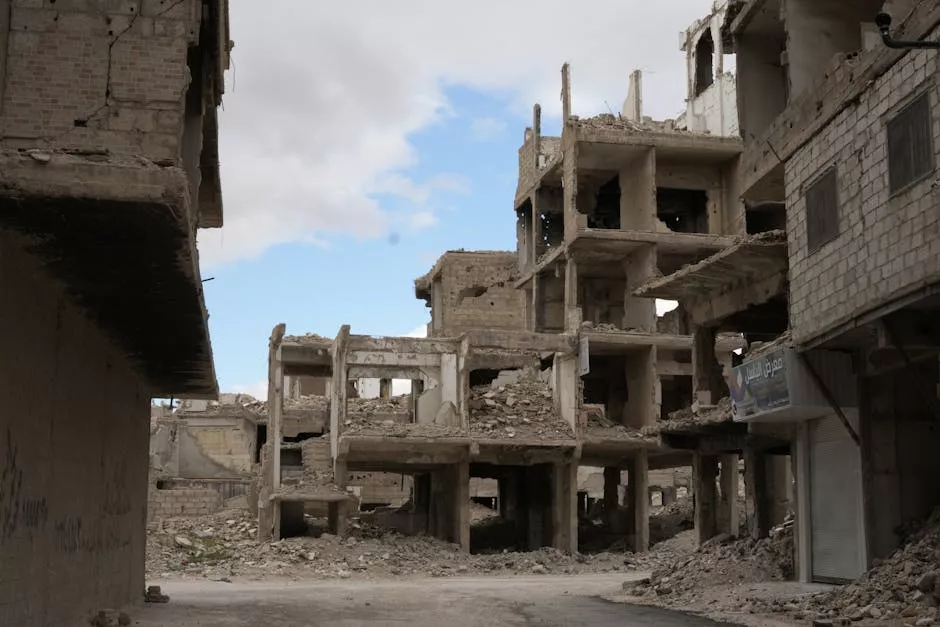
The tumultuous geopolitical landscape in the Middle East has once again drawn the world's attention as the ongoing war in Iran continues to wreak havoc on global energy markets. The latest repercussions are being felt acutely within the United States, where gas prices have reached unprecedented highs. This surge is directly linked to the disturbance in crude oil supplies from the Middle East, a critical region for global energy resources.
Background of the Conflict
The conflict in Iran, which began earlier this year, has escalated into a full-blown international crisis with significant military and political ramifications. Tensions in the Middle East have often led to fluctuations in oil prices, but this current situation has been exacerbated by the geopolitical significance of Iran, a major oil-producing nation.
Located in a region with over half of the world's oil reserves, Iran’s stability is pivotal to global energy security. The ongoing conflict has led to sanctions and disruptions in oil production and transportation, further tightening supply chains already stressed by previous regional instabilities and global demand surges.
Impact on U.S. Gas Prices
Americans are seeing the direct cost of this international upheaval at the gas pump. The nationwide average price of gasoline has risen sharply, contributing to broader inflationary pressures that are impacting household budgets and consumer spending. This increase is not just an economic issue but a political one, as it squeezes consumers and challenges economic recovery post-pandemic.
Oil traders are reacting to the uncertainty by pushing up the cost of crude, reflecting fears of prolonged supply disruptions. Analysts suggest that unless a resolution is found, or alternate supply routes are negotiated, prices are likely to continue climbing, further straining the global economy.
Global Economic Repercussions
The repercussions of this price hike are not limited to the United States. European economies, heavily reliant on imported energy, are also feeling the pinch as energy costs soar, contributing to a broader cost-of-living crisis. Emerging markets, often more vulnerable to global price shifts, are at risk of economic destabilization as financial stress spreads.
Moreover, this situation highlights the fragile nature of energy dependencies and the need for more diversified and resilient energy policies. Both European and U.S. policymakers are being urged to accelerate investments in alternative energy sources as a long-term strategic move to mitigate similar future crises.
Historically High Stakes
The intersection of energy dependence and geopolitical instability is not new. The oil crises of the 1970s, triggered by Middle East conflicts, reshaped global economic policies and priorities. Today's challenges tap into similar vulnerabilities within a more interconnected global economy.
While technological advancements have shifted some dynamics, the foundational reliance on oil, especially in transport and industry, remains a significant factor. Thus, sustainable solutions and diplomatic strategies are paramount in ensuring energy security while fostering peace and stability in volatile regions like the Middle East.
Potential Political Solutions
The diplomatic community is working vigorously to mediate peace efforts, with hopes that international cooperation can stabilize the region and restore oil flow. Solutions being explored include multilateral agreements and potential compromises between conflicting parties, brokered by global powers.
In the short term, strategic oil reserves are being considered as a buffer to control spiraling price explosions. However, these are mere stop-gap measures, underscoring the exigency of a concerted global stance against energy-driven geopolitical tensions.
Why It Matters
Why It Matters: The sharp rise in gas prices due to the Iranian conflict shines a light on the intricate web of global interdependencies that define modern geopolitics. Energy security, long intertwined with international relations, remains a poignant reminder of the vulnerabilities nations face from regional crises. This event exaggerates global economic strains, raises questions about the robustness of existing energy policies, and highlights the necessity for rapid, strategic diversification in energy sources. As the world watches, the situation serves as a crucible for testing diplomatic responses, international solidarity, and the political will to implement transformative energy strategies.
Observers and policymakers alike must remain vigilant, monitoring how intensifying conflict impacts the fragile balance of global energy markets and geopolitical alliances.