French Local Elections Test Far-Right's Political Strength
French local elections serve as a barometer for next year's pivotal presidential race, spotlighting the far-right's political influence amidst key mayoral battles.
Defense & Security Editor

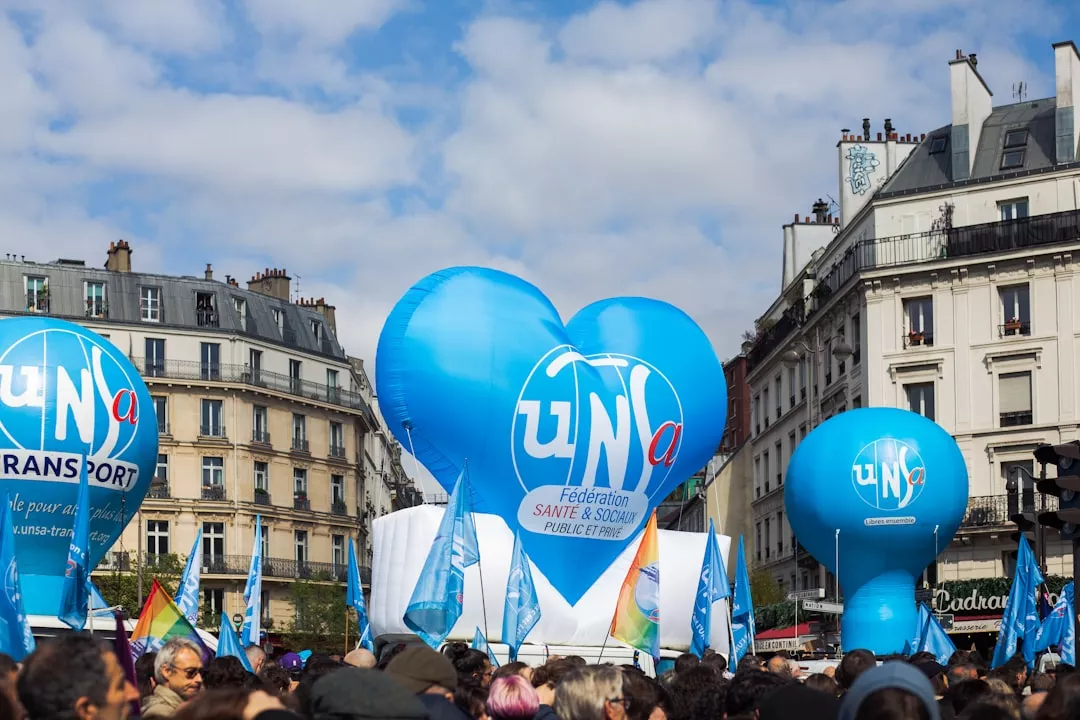
As France holds local elections this week, the political landscape is set to undergo a critical examination. These elections are widely interpreted as a bellwether for the upcoming presidential election, with particular attention focused on the mayoral race in Paris. The far-right, a significant force in French politics, faces a crucial test of its electoral strength and potential influence over national politics.
The Current Political Climate
Over recent years, the political climate in France has been marked by a series of challenges, from economic disparities to societal tensions. These have been fuelled by ongoing debates over immigration, national identity, and France's role in an increasingly interconnected world. The far-right, led by Marine Le Pen's National Rally, has capitalized on these issues, gaining substantial traction among French voters dissatisfied with traditional political parties.
Paris: A Focus of Political Contest
The mayoral race in Paris stands out as one of the most closely watched contests. Paris, as the capital and a globally influential city, serves as a microcosm of national trends. Incumbent Mayor Anne Hidalgo, a member of the Socialist Party, faces a heated challenge from both conservative and far-right contenders. The outcome will offer insights into the electorate's mood and potentially foreshadow shifts that could impact the national stage.
Historically, Paris has favored more progressive candidates, yet the rise of right-wing populism across Europe poses a significant challenge. Municipal campaigns are largely shaped by local issues, but, in Paris, national narratives often intertwine with municipal priorities, particularly on subjects like security, economic recovery, and public services.
A Historical Perspective
The far-right's influence in French politics is not new, stemming from decades of social and political changes. The National Rally (formerly the National Front) has steadily gained ground since the late 20th century, tapping into public anxieties about globalization and cultural change. While traditionally marginalized, the party's recent electoral performances indicate a shift in public sentiment, challenging established parties and altering France's political dichotomy.
Regional and Global Implications
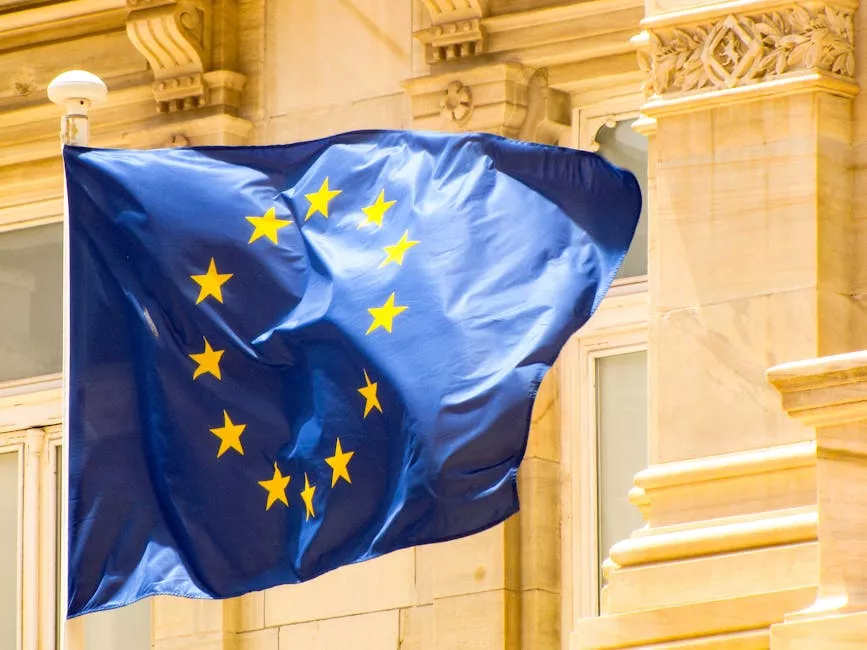
The outcome of these local elections has repercussions beyond France's borders. As a pivotal member of the European Union, France's domestic political shifts can influence the broader European landscape. A stronger far-right could impact France's stance on EU policies, especially those concerning immigration and security.
Furthermore, the elections are being closely watched by international observers eager to understand how populist sentiments might influence other upcoming European elections. The trend toward nationalism and populism is a significant factor in global geopolitics, as seen in recent elections across Europe and the Americas.
Ultimately, these local elections provide a crucial litmus test not only for understanding the power dynamics within France but also for anticipating future geopolitical trends that may emerge as France prepares for its presidential election next year.
Why It Matters
Why It Matters: The far-right's performance in France's local elections carries significant geopolitical implications. As similar trends of populism and nationalism rise across Europe, the National Rally's success or setbacks may influence political strategies well beyond France. If the far-right proves resilient, it may embolden similar movements in Europe, complicating policy responses to transnational issues like immigration and EU integration. Conversely, a decline may stabilize centrist positions and reinforce traditional alliances within the EU. Stakeholders should monitor the evolving political landscape in France as an indicator of broader shifts in European unity and policy directions.