French Far Right Stumbles in Key Local Elections Before 2024
France's far-right struggled to make significant gains in municipal elections, signaling challenges ahead of the 2024 presidential race.
Africa & Global Economy Correspondent

The recent municipal elections in France served as a litmus test for the nation's political trajectory, with the far-right attempting to carve out a significant foothold ahead of the 2024 presidential elections. While the expectation was to make substantial gains, the results were mixed, offering a sobering outlook for the French far-right led by Marine Le Pen's National Rally.
Historically, local elections in France have been seen as a precursor to national sentiment, often indicating the public's overarching political leanings. The National Rally, seeking to build upon its momentum from previous years, aimed to make a strong statement. However, the results fell short of predictions, underscoring persistent challenges in transforming local victories into national success.
The Electoral Landscape
France's municipal elections, while primarily concerned with local governance, hold broader implications due to the country's centralized political system. The far-right's strategy focused on rural and smaller urban areas, where populist messaging historically finds fertile ground. Despite these efforts, the political landscape revealed underlying issues that the party struggles to address.
The mixed results highlight a dual challenge for the National Rally: breaking through in larger urban centers while solidifying rural support. Local issues, deeply intertwined with national rhetoric on immigration, security, and the European Union, played a smaller role than anticipated, indicating a possible divergence between local and national political priorities.
Historical Context and Regional Perspectives
The rise of the far-right in France is deeply rooted in the country's economic and social challenges, including high unemployment, fears over immigration, and skepticism about European integration. These factors have historically fueled support for the National Rally. However, translating regional support into a broader national coalition has proven to be a formidable challenge.
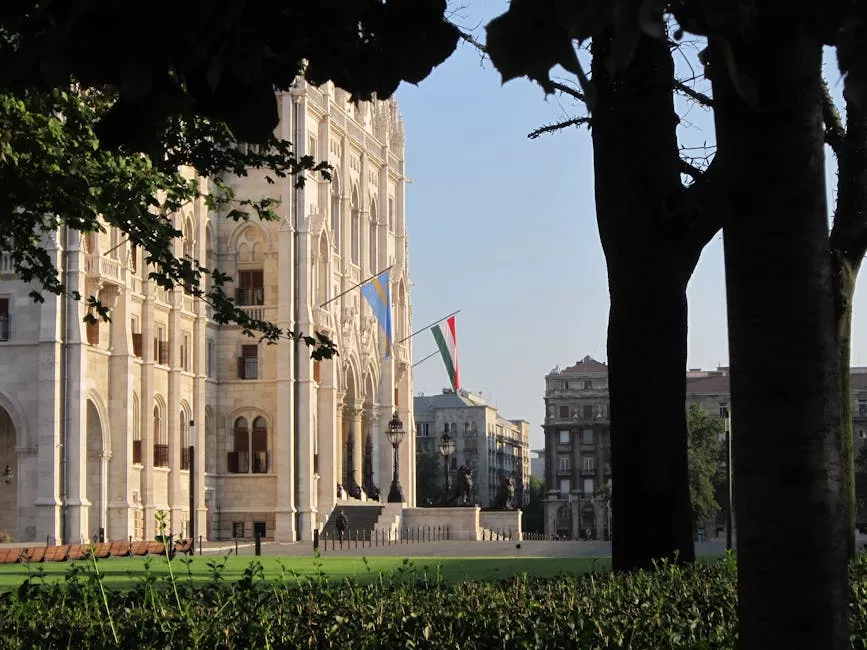
The political landscape in Europe is undergoing significant transformations, with countries such as Hungary and Italy witnessing similar far-right movements gaining influence. France's elections, therefore, provide a litmus test not only internally but for European political dynamics at large. The inability of the far-right to dominate these local elections signals potential shifts in the broader populist wave across the continent.
Geopolitical Implications
France holds a crucial position within the European Union and acts as a centerpiece in discussions around security, economic policy, and regional leadership. A significant shift towards populist far-right politics could disrupt these dynamics, affecting diplomatic relations and EU policy direction. The mixed results of the municipal elections could be seen as a stabilizing factor, maintaining France's current path in regional policy.
Moreover, these elections also signal France's current stance on immigration and national identity, key issues that resonate throughout Europe. While the far-right's narrative continues to influence French politics, its local electoral performance suggests a more moderate stance may eventually prevail in the national arena, impacting EU-wide policies on immigration and integration.
Why It Matters
Why It Matters: The outcome of France's municipal elections is of international significance as it signals potential trends ahead of the 2024 presidential elections. The mixed performance of the far-right underscores the country's enduring struggle with populist rhetoric versus traditional centrism. Globally, these elections impact France's influence in the European Union, particularly regarding policies on immigration and integration, potentially inhibiting the rise of similar far-right movements across Europe. The elections offer insights into the shifting dynamics of populism within one of the EU's largest member states, providing a glimpse into future European political landscapes.