Exiled Kurds Brace for Return Amid Iranian Drone Assaults
Caught under Iranian drone strikes, Kurdish exiles in Iraq stand poised to challenge the Tehran regime, revealing deepening regional tension.
Senior Geopolitical Analyst
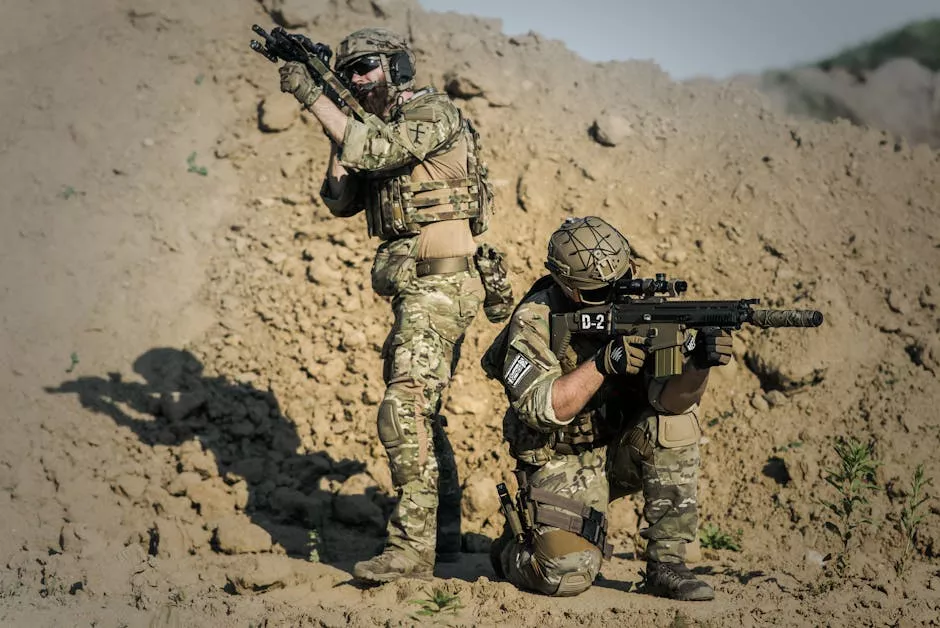
In a covert camp nestled within Iraq's rugged terrain, a group of Kurdish fighters waits, their eyes set resolutely towards home. These exiled Kurds have fought for years, trained in the hope of reclaiming their homeland from the grip of the Iranian regime. Now, under the threat of drone strikes launched from Tehran, their determination is palpable, highlighting a complex web of geopolitical tensions in the Middle East.
The Historical Context of Kurdish Struggles
The plight of the Kurds has been a long-standing issue in the Middle East, marked by decades of repression and unrest. With a population dispersed across several countries including Iraq, Iran, Syria, and Turkey, Kurds have continually sought autonomy and recognition, often finding themselves at odds with the governments of the regions they inhabit. In Iran, Kurds have faced systemic disenfranchisement, fueling efforts to seek sovereign governance.
The current group of exiled fighters represents a faction of those who have been expelled from Iran in recent years. Previously, they had supported various movements for autonomy, leading to increased tensions with Tehran. As diplomatic avenues closed, their resistance was pushed underground, resulting in today’s militarized encampment in Iraq.
The Role of Drone Warfare in Modern Conflict
In recent years, Iran has increasingly utilized drone technology as a means of extending its influence and maintaining pressure on foreign and domestic adversaries. The drone attacks targeting these Kurdish exiles underscore Tehran's commitment to neutralize threats practically at its doorstep. This method of warfare is not without precedent; Tehran has deployed similar tactics in Syria and Yemen, bolstering its regional allies and maintaining deterrence against perceived enemies.
For the Kurds, these attacks are a double-edged sword. On one hand, they underscore the danger faced by exiles who stand defiant against the Iranian government. Conversely, they draw international attention to the Kurdish cause, shining a light on their grievances and aspirations for autonomy.
Regional and International Implications
The situation has stirred reactions across the Middle East. Regional powers, including Iraq, are cautious in their response. Supporting Kurdish efforts openly could lead to diplomatic frictions with Iran, a neighbor with significant influence, while ignoring their plight might seem like a betrayal of kin. Furthermore, international players, including the United States and European nations, are watching closely. They balance a complex array of alliances, ensuring that any response does not destabilize the precarious political equilibrium in the region.
The Kurdish resistance against Iran aligns with broader regional narratives of ethnic and sectarian strife. It highlights the geopolitical fractures that complicate Middle Eastern politics, where alliances and oppositions are often as divided as they are interconnected.
The Future of Kurdish-Iranian Relations
As the drone attacks persist, the Kurdish fighters in Iraq prepare for the possibility of increased hostilities. They hope to one day return to their homeland, potentially as part of a broader uprising or through sought diplomatic negotiations. However, the reality of achieving significant political gains remains uncertain.
The potential for Iranian retaliation remains high, yet the Kurdish spirit is undeterred. For these exiles, the struggle is about more than territory; it is a fight for identity, recognition, and autonomy. While the world watches, the Kurds’ determination to reshape their future continues to inspire and challenge international policymakers.
Why It Matters
The plight of Kurdish exiles under Iranian drone fire is a microcosm of larger geopolitical dynamics in the Middle East. As Kurdish groups continue to assert their identity and demand political recognition, the potential for wider conflict escalates. The Iranian regime’s aggressive response underscores its intent to maintain control over its territories, revealing deep-seated tensions over ethnic autonomy within its borders. Meanwhile, regional actors must navigate their alliances carefully. Failure to support the Kurds could alienate ethnic populations seeking autonomy, yet confrontation with Iran could escalate into broader conflict. As these dynamics unfold, observers should watch for shifts in alliances and diplomatic moves that may influence future Kurdish-Iranian relations and broader Middle Eastern stability.