Israeli Non-Prosecutions Fuel Tensions in West Bank
Lack of prosecutions for Israeli citizens accused of killing Palestinians raises calls for international intervention.
Defense & Security Editor

The Israeli-Palestinian conflict, an enduring flashpoint in Middle Eastern geopolitics, has taken yet another somber turn as reports reveal that Israel has not prosecuted any citizens for the killing of Palestinian civilians in the occupied West Bank since the beginning of this decade. This revelation comes amid growing international scrutiny and mounting violence in the region.
A Guardian analysis of legal data and public records suggests a troubling culture of impunity surrounding the actions of Israeli settlers and military personnel. This has led to assertions of 'organized Jewish terrorism' by dozens of former Israeli military, police, and intelligence officials, who decry the seeming complicity of state mechanisms.
Historical Context
The conflict between Israel and Palestine is rooted in a century-long struggle over land, identity, and sovereignty. Notably, after the 1967 Six-Day War, Israel occupied several territories, including the West Bank, which remains a key contentious zone. The Oslo Accords in the 1990s sought to pave a path to peace, establishing areas of Palestinian self-governance. However, peace efforts have repeatedly faltered, and violence and settlement activities have persisted.
Recent Developments
The recent uptick in violence in the West Bank coincides with an emboldened settler movement, bolstered by right-wing factions within the Israeli government. Former Israeli Prime Minister Ehud Olmert has made a stark appeal to the International Criminal Court (ICC) for intervention, stressing the need to 'save the Palestinians and us [Israelis]' from state-supported settler violence.
Olmert's call signals a profound concern within parts of the Israeli establishment about the long-term ramifications of unchecked aggression towards Palestinians. Within Israel, a nation divided over its geopolitical strategies, voices like Olmert's represent a faction advocating for adherence to international norms and peace-building efforts.
Regional Perspectives
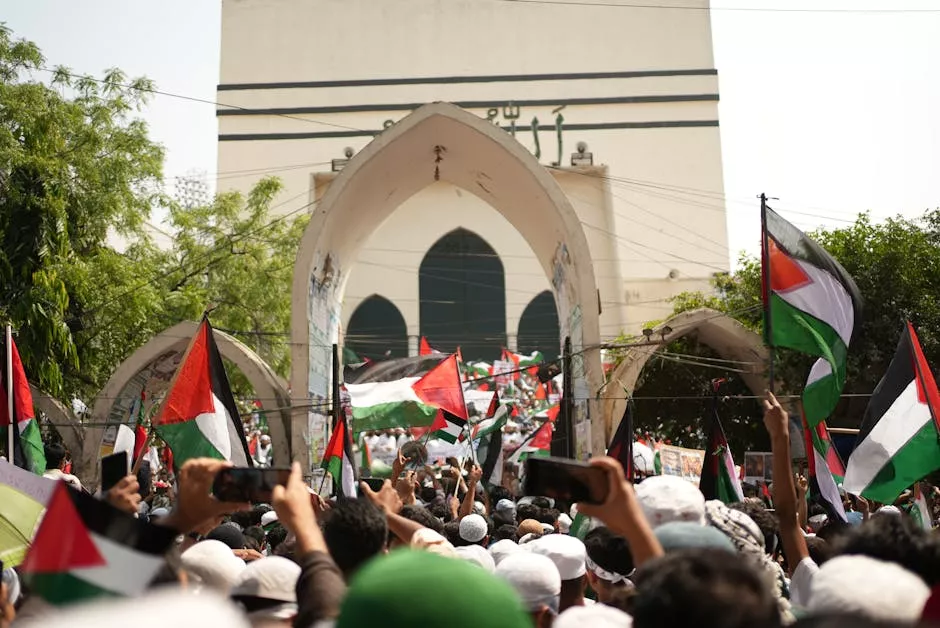
For Palestinians, the lack of legal recourse epitomizes systemic injustices they face under occupation. Palestinian Authority officials and global human rights organizations have consistently highlighted these issues, urging the international community to hold Israel accountable to prevent further erosion of peace prospects.
Meanwhile, regional powers, including Jordan and Egypt—countries with peace treaties with Israel—monitor the situation closely. The Arab League has condemned the violence, reiterating its support for Palestinian statehood based on pre-1967 borders.
Geopolitical Implications
The situation in the West Bank has broader implications for Middle Eastern geopolitics. As Saudi Arabia and other Gulf states explore normalization with Israel, the Palestinian issue remains a sticking point. The absence of prosecutions undermines narratives of peace and stability, potentially stalling diplomatic overtures and impacting alliances.
Moreover, the global energy market remains sensitive to Middle Eastern stability, and increased tensions could lead to volatility, impacting global economies.
The Path Forward
While Israel's security concerns are valid, the current approach poses long-term risks to regional security and diplomatic relations. International pressures, especially from the ICC and global powers, could catalyze legal reforms and a more conciliatory stance toward Palestinians.
Ultimately, a sustainable resolution requires genuine dialogue underscored by mutual recognition and accountability. The way forward lies in re-engaging with international diplomatic frameworks that prioritize human rights and peaceful coexistence.
Why It Matters
Why It Matters
The absence of legal action against Israeli settlers accused of killing Palestinians in the West Bank reverberates far beyond the region, illustrating the challenges of balancing national security with international human rights standards. The situation showcases the broader dilemma faced by nation-states in contentious regions where domestic policies conflict with international norms.
For global audiences, this highlights the critical importance of diplomatic engagement and international oversight in conflict resolution. Moving forward, attention will likely be on how international bodies, including the ICC, navigate the complexities of the Israeli-Palestinian conflict. The unfolding developments could redefine geopolitical dynamics and influence peace-building efforts globally.