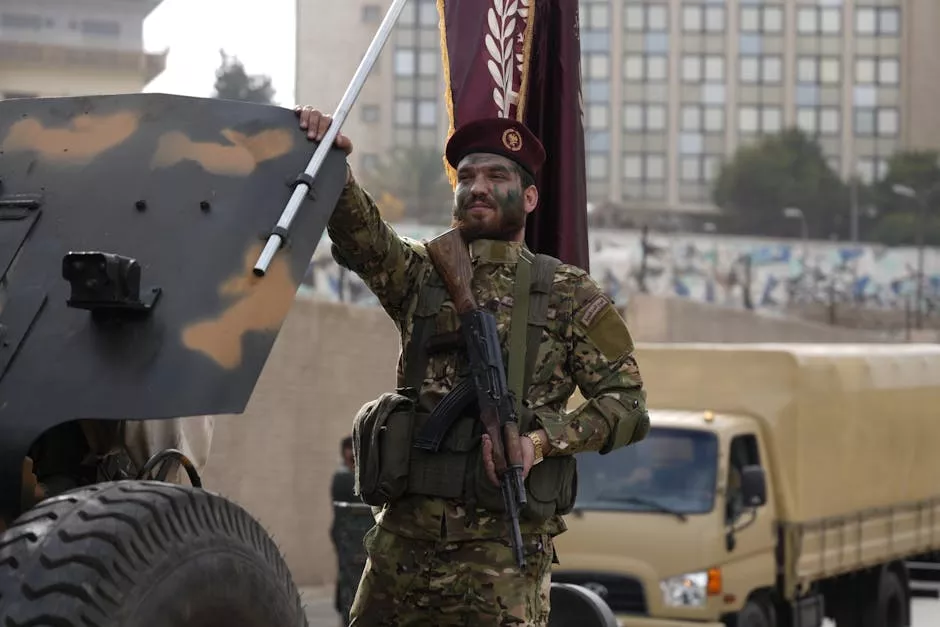
Surging U.S. Arms Trafficking Fuels Mexican Cartel Violence
U.S.-sourced guns empower Mexican cartels, creating regional instability and prompting international scrutiny.
Middle East & Diplomacy Specialist
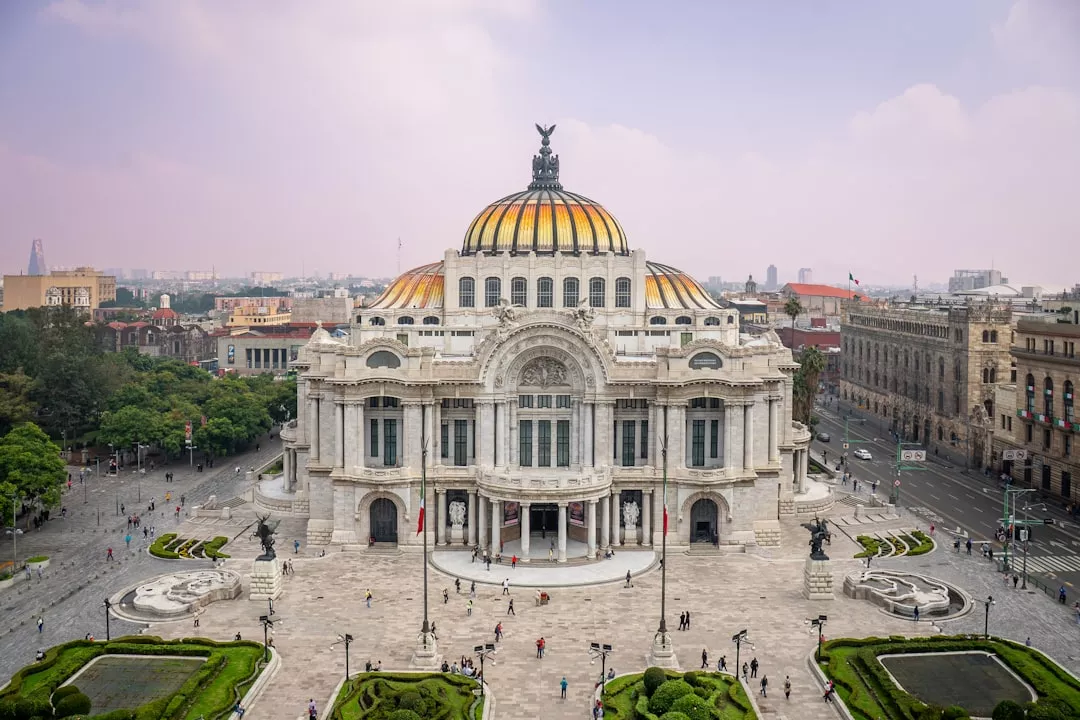
The steady flow of firearms from the United States into Mexico has exacerbated the violence perpetrated by powerful drug cartels, placing both nations in a precarious position regarding regional security and diplomatic relations. The recent investigation spearheaded by journalist Paulina Villegas sheds light on the intricate network of gun smuggling, which has increased to alarming levels, according to traffickers and law enforcement officials alike.
Escalating Smuggling Operations
Over recent years, Mexico has witnessed a dramatic rise in violence, with cartel-related crimes becoming alarmingly prevalent. Central to this crisis is the influx of high-caliber firearms—legally purchased in the United States before being smuggled illicitly southward. Due to relatively lenient gun laws in many U.S. states, guns such as assault rifles and handguns are bought in bulk and transported across the border, armoring cartels with military-grade arsenals.
The Trafficking Pathway
Villegas's investigation traced the route of these firearms from the point of purchase in the U.S., across the Mexican border, and finally into the hands of cartel members. The ease of movement along this route is facilitated by a combination of corruption, lack of regulation, and sophisticated smuggling techniques. Such weapons are not only used to consolidate cartel power through brutal conflicts but also escalate violence that spills into civilian life.
Cross-Border Consequences
This surge in gun trafficking has strained U.S.-Mexico relations, as Mexico demands stricter arms regulations from its northern neighbor. The diplomatic friction is compounded by the ongoing immigration challenges and trade negotiations that require cooperation between the two countries. Unable to stem the tide of violence within its borders, Mexico increasingly looks to the U.S. for policy changes that might curb the illegal flow of weapons.
Implications for Policy and Security
The geopolitical implications of American arms fueling Mexican cartel violence extend beyond their bilateral impact. The situation poses a significant threat to regional security across Central America, potentially destabilizing weaker states unable to handle increased cartel activity. Furthermore, the U.S.'s international image as a responsible world power is called into question when its lax domestic policies contribute to foreign unrest.
International Responses and Future Outlook
Globally, nations observing the gun smuggling dilemma may reassess their security partnerships and humanitarian commitments. The issue aligns with broader discussions on international arms trade regulations and the responsibilities of nations in preventing violence beyond their borders. As Mexican authorities struggle to curb cartel operations, there is growing discontent over what is perceived as insufficient action against American gun policies. The international community's role in advocating for stronger measures represents a potential turning point in this crisis.
Experts suggest that meaningful reform will require robust bilateral agreements, supported by comprehensive strategies encompassing international collaboration, stricter enforcement at borders, and targeted socio-economic initiatives to address the root causes of cartel membership.
Why It Matters
The rise of U.S.-sourced firearms fueling cartel violence in Mexico holds significant geopolitical importance. As these weapons contribute to instability in Mexico, the repercussions threaten to destabilize the broader region, with ramifications for international security and commerce. Both nations face heightened pressure to enact policy changes: the U.S. needs to address its gun laws and export policies, while Mexico must seek effective internal measures to combat cartel influence. The stakes lie not only in diminished cartel power but also in reinforced bilateral and multilateral relations amid global criticism. Observers should watch for legislative initiatives and cross-border cooperation to gauge potential developments in this ongoing crisis.