Trump's Caribbean Military Buildup Sparks Latin America War Fears
Growing concerns across Latin America as Washington significantly expands military presence in Caribbean region with increased airstrikes and deployments.
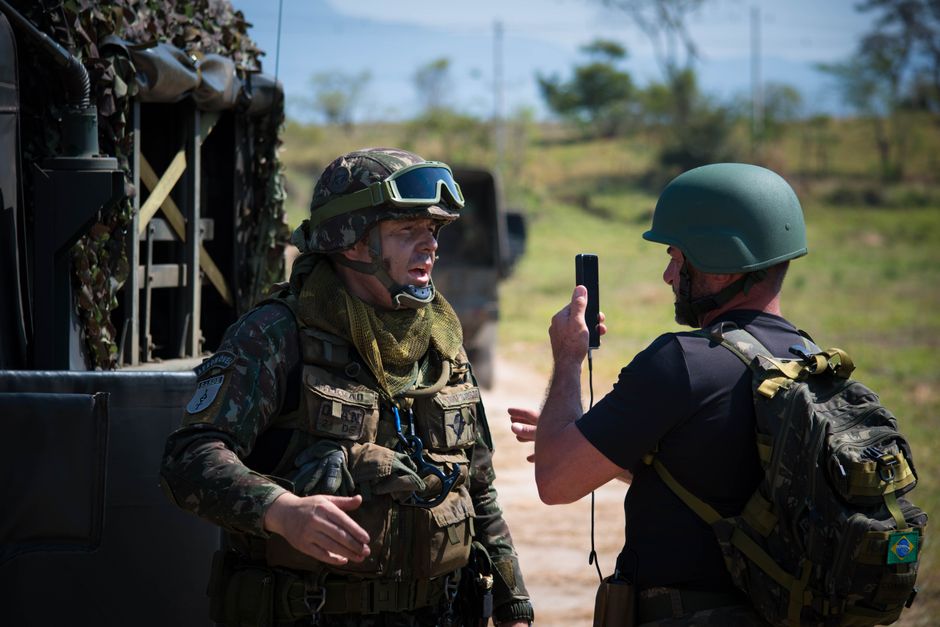
Tensions are escalating across Latin America as reports emerge of a significant US military buildup in the Caribbean region, prompting widespread concerns about potential armed conflict under the Trump administration's renewed aggressive foreign policy stance.
Military Expansion Raises Regional Alarm
Intelligence sources and regional defense analysts indicate that Washington has substantially increased its military footprint in the Caribbean basin, deploying additional naval assets and expanding airbases throughout the region. The buildup includes enhanced surveillance operations, increased patrol frequencies, and what appears to be preparation for extended military campaigns.
Most concerning to regional observers is the reported expansion of airstrike capabilities, with multiple countries tracking increased US military aircraft movements and the establishment of forward operating bases on strategic Caribbean islands. These developments have triggered diplomatic protests from several Latin American nations who view the militarization as a direct threat to regional sovereignty.
Historical Context and Strategic Implications
The current military posturing echoes Cold War-era interventions that have left lasting scars across Latin America. From the Bay of Pigs invasion to military interventions in Grenada and Panama, the region has experienced repeated US military actions that reshaped political landscapes and cost thousands of lives.
Geopolitical experts suggest the current buildup may target multiple objectives, including drug interdiction operations, migration control, and potential action against leftist governments in Venezuela, Nicaragua, or Cuba. The strategic positioning of assets suggests capabilities extending far beyond traditional counter-narcotics missions.
Regional Response and Diplomatic Tensions
Latin American governments are responding with a mixture of diplomatic protests and defensive preparations. The Organization of American States has called emergency sessions to address the militarization, while individual nations are reassessing their security partnerships and regional defense agreements.
Brazil, Mexico, and Argentina have issued joint statements expressing concern over the military expansion, emphasizing the importance of diplomatic solutions to regional challenges. Meanwhile, smaller Caribbean nations find themselves caught between economic dependence on US aid and pressure to accommodate military installations.
Economic and Humanitarian Concerns
Beyond immediate security implications, the military buildup threatens regional economic stability and humanitarian conditions. Tourism-dependent Caribbean economies face potential devastation if military action disrupts commercial aviation and shipping routes. Additionally, any conflict could trigger massive refugee flows, overwhelming already strained immigration systems throughout the Americas.
The situation remains fluid, with diplomatic channels still active but military preparations continuing to accelerate, leaving the region bracing for potential conflict while hoping for peaceful resolution through international mediation.