BBC Returns to Tehran Amidst Unyielding Tensions and Raw Pain
BBC's Lyse Doucet reports from Iran for the first time since the government crackdown, highlighting the persistent pain and heightened tensions.
Africa & Global Economy Correspondent
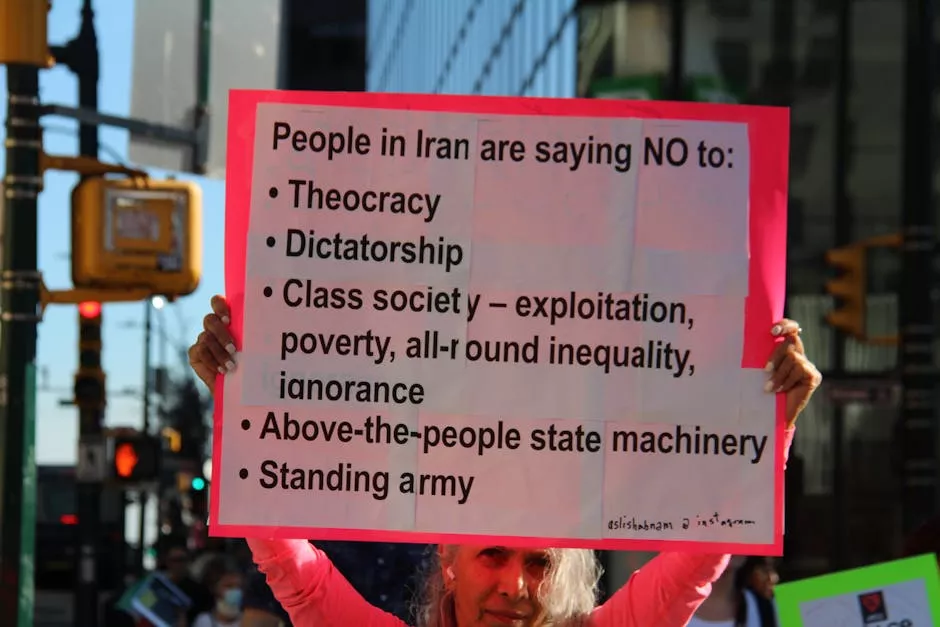
The BBC's esteemed international correspondent, Lyse Doucet, has ventured into Tehran, Iran, to offer a candid glimpse into a nation still grappling with the aftermath of a severe government crackdown on protests. This marks the BBC's first return to the region since the violence, a potent testament to the ongoing tensions and the unhealed wounds in Iranian society.
Background of the Unrest
The protests, which erupted last year, were initially sparked by various social grievances, including economic challenges and perceived injustices within the governmental system. The government's response was swift and severe, with security forces employing unprecedented force to quell the dissent. According to human rights organizations, the crackdown resulted in numerous arrests, injuries, and fatalities, casting a long shadow over the nation's political landscape.
The protests were not simply about economic issues but tapped into a deeper vein of dissatisfaction that has been simmering within the Iranian populace for decades. The mix of economic sanctions, inflation, and perceived corruption has compounded the discontent, leading to widespread calls for systemic change.
Assessment from the Ground
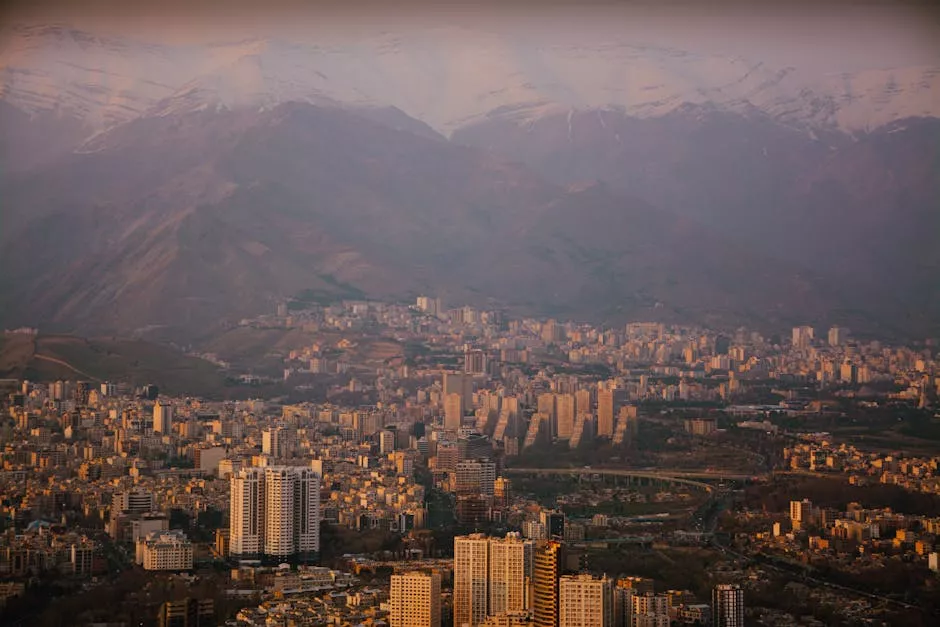
In her report, Doucet delineates the palpable unease still permeating Tehran. The government faces significant pressure both domestically and internationally, with citizens wary of expressing dissent following the violent crackdowns. Reports from Tehran highlight a city on edge, where fear and mistrust linger in the air.
Residents of Tehran speak of their ongoing anguish and disillusionment. "The pain is still very raw," one Tehran resident told Doucet. This sentiment reverberates through various societal layers, with many Iranians apprehensive about the future but firmly committed to advocating for their rights.
Historical Context and Current Dynamics
The historical context of Iran's socio-political struggles dates back decades, characterized by periods of intense reformist movements countered by conservative pushbacks. These cyclical tensions have often been exacerbated by external factors, notably sanctions imposed due to Iran's nuclear program and the broader geopolitical antipathy between Iran and Western powers.
Internally, the economic strife has been a significant agitator in sparking protests. The economic sanctions, particularly from the United States, have severely hampered Iran's economy, driving inflation and unemployment rates to concerning levels. Many Iranians blame the government for ineffective policies and mishandling of public resources.
The Geopolitical Landscape
The repercussions of the unrest extend beyond Iran's borders, affecting its relationships with regional neighbors and international powers. Iran's strategic positioning in the Middle East, along with its influential role in regional conflicts in Syria, Iraq, and Yemen, maintains its status as a pivotal player in Middle Eastern geopolitics.
The BBC's presence in Tehran signifies a crucial narrative shift, offering the world an in-depth look at Iran's contemporary socio-political fabric, heavily influenced by these unresolved tensions.
Moreover, the international community remains watchful. Global leaders and organizations continue to advocate for diplomatic engagement rather than isolation, emphasizing the importance of constructive dialogue over confrontation.
Why It Matters
Why It Matters: The BBC's return to Tehran is more than just a media moment; it underscores the persistent challenges and geopolitical significance of Iran. Iran's internal stability has direct implications for international relations, energy markets, and regional security. The crackdown on dissent reflects the government's tenuous grasp on control and raises questions about future governance and civic freedoms. Furthermore, with major powers invested in Iran's nuclear stance, the enduring domestic tensions require careful monitoring to anticipate shifts in diplomatic strategies. Readers should pay close attention to how this situation evolves, especially in light of recent diplomatic dialogues aiming to address broader regional issues.