US Airstrike in Pacific Marks Sixth Naval Incident This Year
A US military airstrike in the eastern Pacific killed three, marking the sixth naval incident of the year, raising concerns over maritime security.
Africa & Global Economy Correspondent
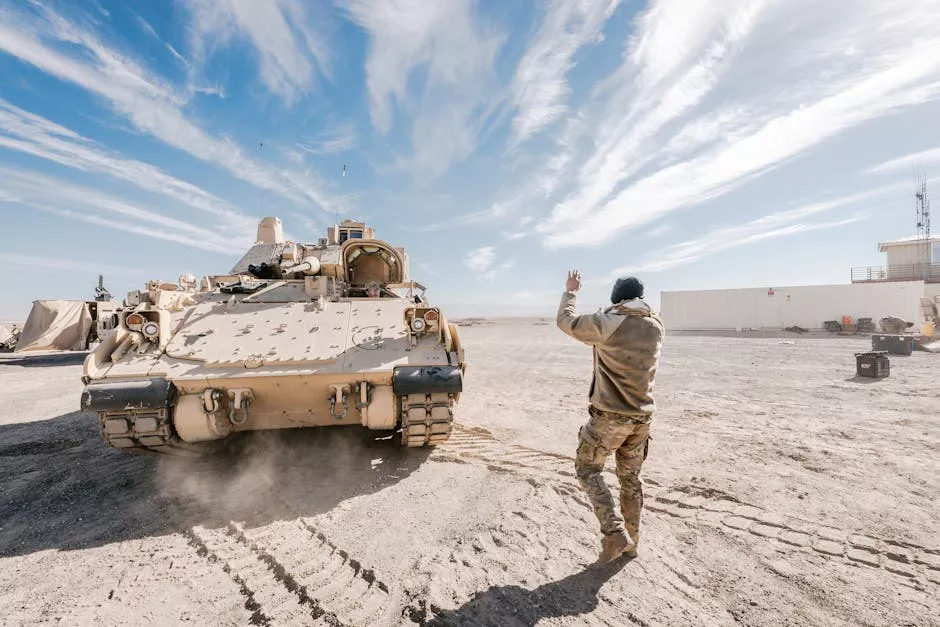
The United States military has executed a precision airstrike on a boat in the eastern Pacific, resulting in the deaths of three individuals. This incident, now the sixth known occurrence of its kind this year, has elevated the total fatalities associated with these strikes to at least 148. As tensions simmer beneath the surface of international waters, this event demands a closer examination of the underlying factors driving such military actions and their broader geopolitical implications.
Background of the Airstrike
The decision to strike in the eastern Pacific aligns with a pattern of behavior where the US has acted decisively against perceived threats in international waters. While specifics about the targeted vessel have not been disclosed, such measures are typically justified on the grounds of disrupting illicit activities ranging from drug trafficking to freedom of navigation operations.
Historical Context
The US has a storied history of maritime engagements intended to secure trade routes and assert maritime jurisdiction. The 20th century witnessed significant naval presences in key regions like the Pacific, underscoring America's strategic interests in maintaining a strong naval capability. These airstrikes can be seen as a continuation of that doctrine, updated for the complexities of the 21st century.
Regional Perspectives
The eastern Pacific, often considered a relatively peaceful expanse of open waters, is a theater for international maritime commerce. However, the rise of non-state actors and transnational threats has occasionally disrupted the tranquility. Regional governments may have mixed reactions; while some might welcome US assistance in curbing illicit activities, others could view such actions as an overreach, potentially destabilizing regional collaborations.
Geopolitical Implications
This airstrike holds significant geopolitical weight. It serves as a reminder of the US's commitment to safeguarding its interests and maintaining a secure and open ocean corridor. In recent years, as geopolitical tensions rise, particularly with the observable presence of other naval powers in the Pacific, any military action could inadvertently escalate into broader confrontations.
Furthermore, such military actions project US capabilities and strategic intent, potentially deterring adversaries but also galvanizing them to bolster their own naval arsenals. This duality in impact serves as both a deterrent and a provocation, highlighting the fine line that US foreign policy navigates in maintaining maritime dominance without triggering an arms race.
Response from the International Community
The international community tends to observe such incidents with a measured response. Allies may offer circumspect support, particularly if they share concerns about the security of maritime routes. However, adversaries, particularly those with maritime capabilities in the region, could leverage these actions to criticize US policies as aggressive interventions.
Furthermore, international bodies involved in marine protection and merchant shipping safety might express concern over the potential for collateral damage and disruptions to peaceful commerce.
Conclusion
The recent airstrike in the eastern Pacific is a microcosm of the prevailing maritime security paradigms. With a complex interplay of interests involved, the situation necessitates diplomatic deftness and strategic foresight from the US and its allies to ensure that the Pacific remains a stable and secure arena.
Why It Matters
The strategic significance of the US airstrike in the eastern Pacific goes beyond immediate tactical objectives. At its core, it underscores the persistent challenges of maintaining security in a vast maritime domain teeming with both legal and illegal traffic. The broader geopolitical significance cannot be understated; as global superpowers and regional actors vie for influence in the Pacific, these actions could set precedents for future maritime security operations. By demonstrating its readiness to execute precision strikes, the US underscores its resolve but also risks escalating tensions with state and non-state actors alike.
Readers should watch for increased naval maneuvering by global powers, shifts in regional security alliances, and any diplomatic initiatives aimed at establishing clearer maritime norms and reducing the potential for conflict. The Pacific theater remains a critical area of focus as it holds the potential for both collaboration and confrontation in the evolving geopolitical landscape.