Caribbean Summit Urges US-Cuba Dialogue Amid Rising Tensions
Caribbean leaders urge dialogue as US oil embargo on Cuba raises regional tensions at Caricom summit.
International Relations Correspondent
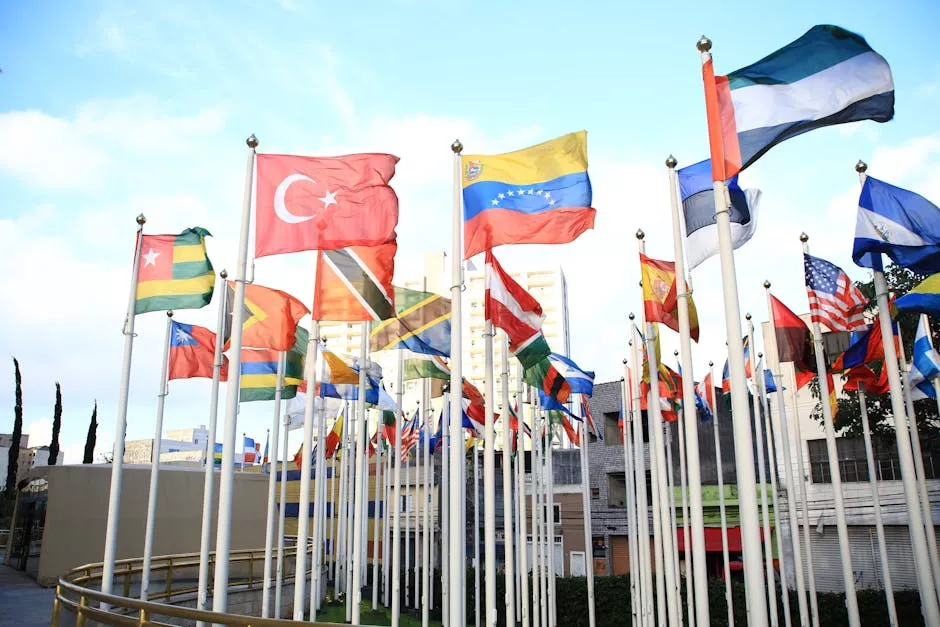
The recent Caricom summit, held in St Kitts and Nevis, has highlighted the urgent call for dialogue and de-escalation amid the United States' ongoing oil embargo on Cuba and military operations in the region. As leaders of the Caribbean and the Americas gathered for the four-day event, discussions were heavily weighted towards managing the geopolitical and economic impacts of US interventions.
Background of the Conflict
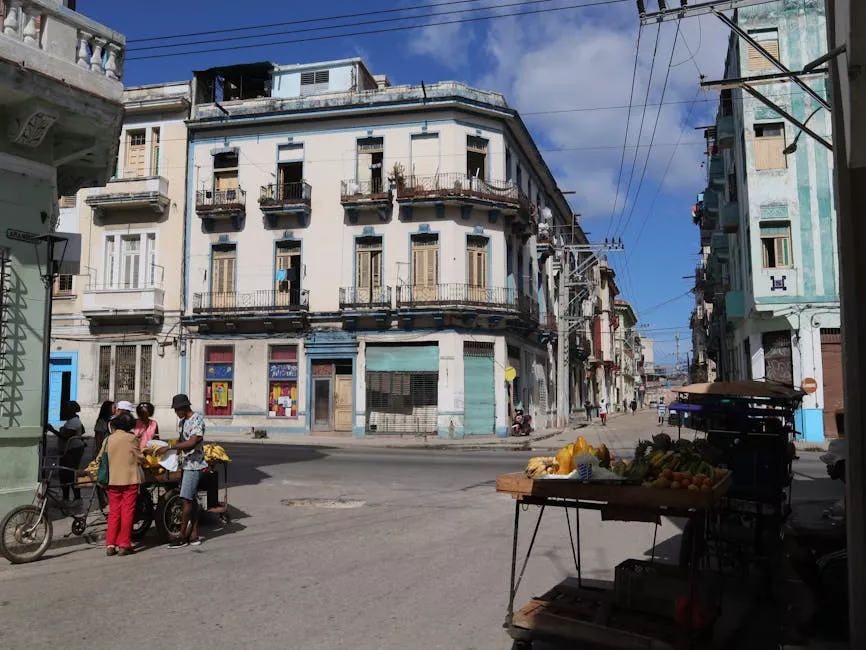
For decades, the US has maintained a complex relationship with Cuba, marked by an economic embargo since 1960 following the Cuban Revolution. This decades-long blockade has been a source of contention, criticized by many nations for its humanitarian impacts and called for reassessment by global leaders.
US Interventions in the Caribbean
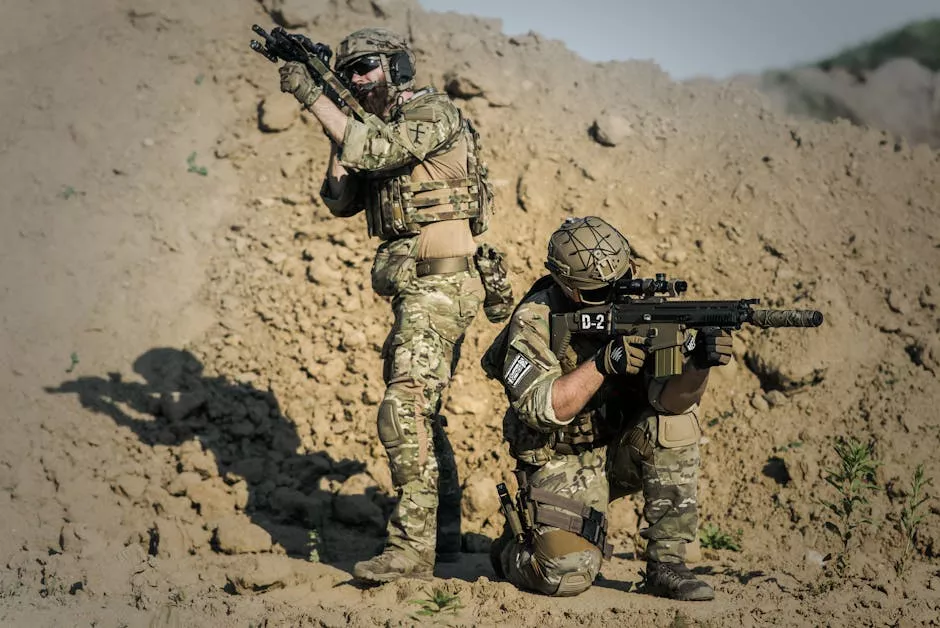
Recently, the US has intensified its military presence under the guise of counter-narcotics operations, targeting suspected drug-laden vessels across the Caribbean Sea. Such actions have drawn criticism from neighboring countries, who view them as exacerbating tensions rather than fostering regional cooperation.
Caricom Calls for Strategic Collaboration
During the summit's opening, Caricom leaders advocated for strategic partnerships and dialogue as a means to mitigate the consequences of US policies. The regional bloc of 15 nations stressed the need for unity in confronting economic pressures and security challenges precipitated by external powers.
Economic Repercussions
The embargo's implications extend beyond Cuba, affecting trade and investment across the region. Caribbean economies, already vulnerable and largely dependent on tourism and agriculture, face additional economic strain. Islands reliant on relationships with both the US and Cuba find themselves caught in a geopolitical tug-of-war.
Geopolitical Implications
The call for dialogue reflects growing concerns over the US's foreign policy approach in the Caribbean. Regional leaders argue that coercive measures and military interventions are counterproductive, urging the United States to consider more collaborative approaches.
The situation underscores the complexity of Caribbean geopolitics, where superpower interests intersect with local autonomy. The response by Caricom is significant, emphasizing a collective regional voice amid global power plays.
Going forward, the potential for dialogue is uncertain amidst entrenched US foreign policy positions. Yet, as regional leaders persist in their advocacy, there may be room for diplomatic advancements that could redefine the trajectory of US-Caribbean relations.
Why It Matters
The Caricom summit's focus on the US-Cuba situation is pivotal in highlighting the broader geopolitical dynamics at play in the Caribbean. This region, often overshadowed in global affairs, sits at the confluence of major trade routes and geopolitical interests, making it a strategic concern for global powers. As the US continues its interventions under the guise of drug interdiction and economic sanctions, the region's call for dialogue highlights the potential for cooperative security strategies that respect regional autonomy.
Furthermore, the economic repercussions of the embargo extend beyond Cuba, impacting trade and diplomatic relations across the Caribbean. This situation could amplify calls for policy reform from within the US, where discussions around re-engagement with Cuba persist. Observers should watch closely for shifts in US policy and Caribbean diplomatic efforts, which could herald significant changes in regional stability and cooperation.