Trump's Blockade Threat Could Escalate Middle East Tensions
Trump's blockade threat to Iran heightens tension, testing Iran's resilience against U.S. military strategy.
Defense & Security Editor
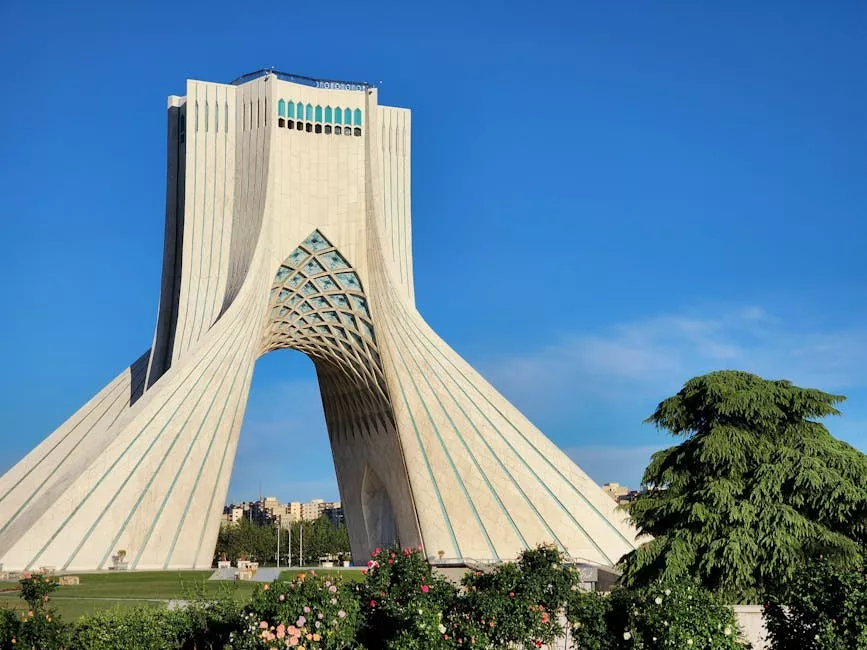
The recent escalation in hostility between the United States and Iran, marked by President Donald Trump's threat to impose a blockade, has significantly raised the stakes in the Middle East. This development signals a critical juncture where U.S. military strategies and Iran's defensive resilience are being tested against each other in a volatile region already fragmented by conflict.
Background to the Hostilities
Relations between the United States and Iran have been fraught with tension since the 1979 Iranian Revolution, which saw the overthrow of the Shah, a key U.S. ally, and the establishment of a theocratic regime. Over the years, myriad incidents, from the 1988 downing of Iran Air Flight 655 to the more recent U.S. withdrawal from the Joint Comprehensive Plan of Action (JCPOA), have exacerbated hostilities.
In recent months, these tensions have intensified. The Trump administration's withdrawal from the nuclear accord reinstated economic sanctions on Iran, crippling its economy. Meanwhile, Iran has steadfastly continued its regional influence operations through proxy forces, often clashing with U.S. interests in parts of Iraq and Syria.
Blockade as a Strategic Instrument
A blockade has long been considered a powerful tool in international diplomacy and military strategy, leveraging economic and logistical disadvantages without immediate armed conflict. In threatening this, Trump has signaled a strategic pressure point aimed at coercing Iran into compliance or negotiations, often synonymous in this administration's foreign policy playbook.
Implementing a blockade, however, demands substantial international support and could push tensions to a breaking point, especially within a region already familiar with the ravages of war. The issue extends beyond the U.S.-Iran dyad, drawing in global powers with vested interests in Middle Eastern stability. Countries like China and Russia, which have economic and geopolitical ties with Tehran, may interpret such actions as provocative, altering their foreign policies toward increased opposition against the U.S.
Regional Repercussions
A blockade might exacerbate existing Middle East fissures, particularly impacting the Gulf Cooperation Council countries, which are both economic partners and political allies of the U.S. This move could bolster hardline elements within Iran, consolidating domestic power structures resistant to Western influence, potentially derailing pro-diplomacy voices within the Iranian sphere.
Israel, a key U.S. ally, remains supportive of any pressure to curb Iran’s nuclear ambitions but watches closely to ensure that regional stability is not irreparably harmed, affecting its own security calculus.
Implications for Global Energy Markets
Given Iran's pivotal position in global oil markets, a blockade would have immediate implications for energy security. Iran controls the Strait of Hormuz, a vital oil route, through which a significant portion of the world's oil supply is transported. Any disruption here could lead to skyrocketing oil prices globally, affecting both energy-dependent economies and consumers worldwide.
This tactic's economic ripple effects would compound the ongoing global economic challenges posed by existing trade tensions and COVID-19 recovery efforts.
Historic Comparisons and Future Pathways
In a historical comparison, similar diplomatic standoffs have yielded mixed outcomes, from the sustained Cuban embargo to the successful negotiations during the Berlin Airlift. The outcome of this U.S.-Iran confrontation could very well hinge on diplomatic agility, or lack thereof, paralleling past instances.
The necessity for a proactive peace-building framework is paramount. Diplomatic dialogue remains the most viable path to de-escalating tensions, ensuring regional stability, and advocating for a pragmatic resolution to the ongoing dispute.
Why It Matters
The escalation of tensions between the U.S. and Iran, marked by the blockade threat, underscores significant geopolitical stakes. This situation not only has the potential to draw in global powers with interests in Middle Eastern stability but also risks soaring energy costs, implicating international markets. The blockade, an instrument of pressure, is indicative of Trump's broader strategic intentions yet may inadvertently bolster hardline elements within Iran, challenging the efforts of mediators. Policymakers and observers should watch for responses from regional actors and global powers alike, as these will shape the direction of this unfolding scenario, with profound implications for geopolitical alignments and economic conditions worldwide.